
San Blas Islands: The Ultimate Guide to Sailing Guna Yala
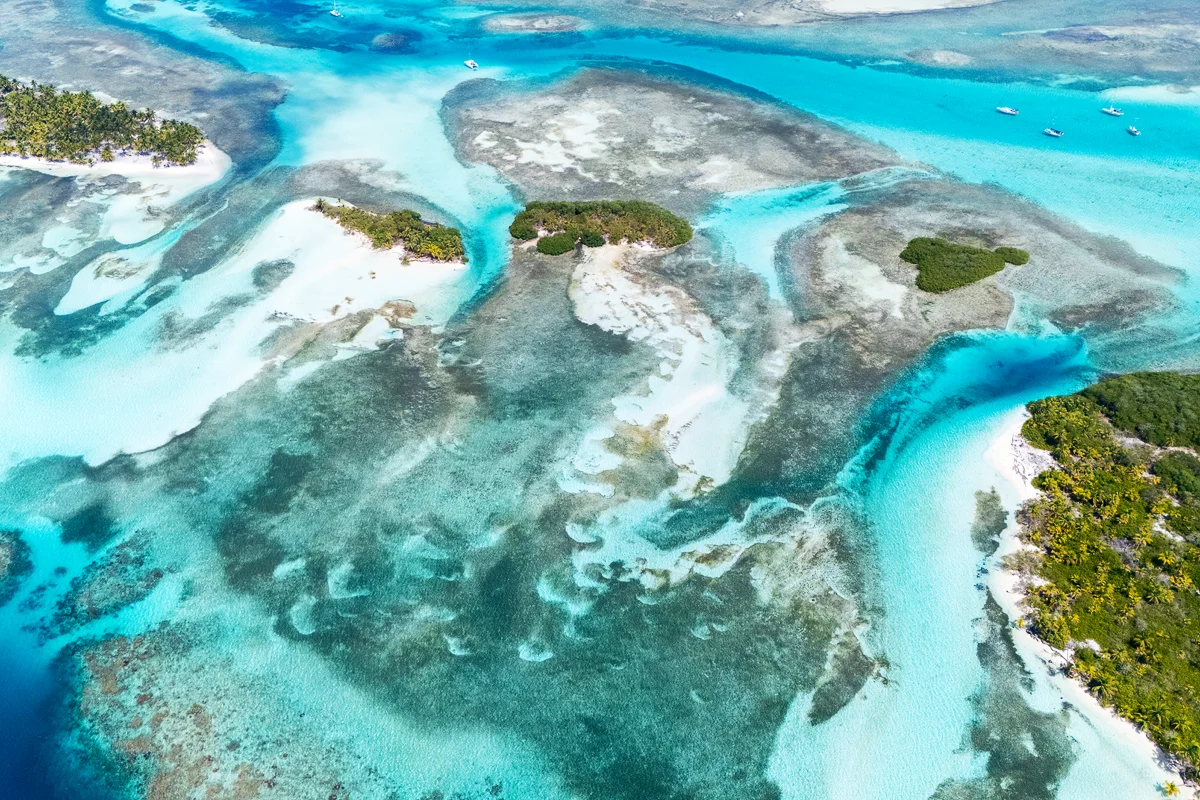
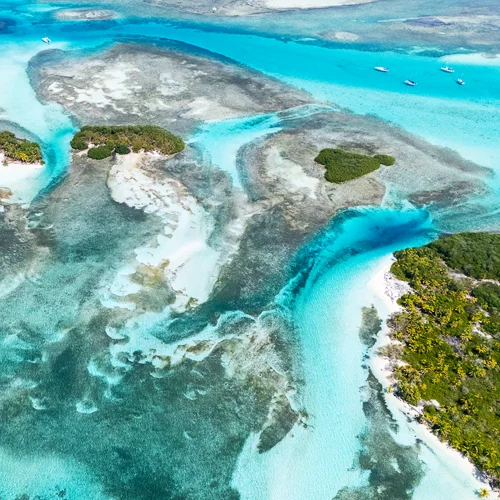
Somewhere along Panama’s Caribbean coast, roughly 365 islands and cays are scattered across a stretch of turquoise water, most of which are uninhabited. This is Guna Yala, known internationally as the San Blas Islands. The indigenous Guna people have governed this autonomous territory for centuries, keeping it almost entirely free of outside development and maintaining a culture that remains genuinely intact.
With little in the way of accommodation on the islands themselves, a sailboat or catamaran is the most comfortable way to explore, and the only option to reach the most remote parts of the archipelago.
At A Glance
Getting There
There are two ways to get to the San Blas Islands from Panama City: by road or by air.
By road and boat. The standard route involves an early morning (around 5:00 AM) departure in a 4WD vehicle, a roughly 3-hour drive to the port of Carti, followed by a 40-minute motorboat transfer to the islands. It’s the most popular option, but it brings you to the busiest part of the archipelago, the mainland-facing islands that day-trippers visit in large numbers.
By air. Small charter planes depart from Panama City’s Albrook Airport (PAC) to Corazón de Jesús Airport (CZJ). Flights take just under an hour, and you choose your own departure time. Due to limited availability, we recommend booking well in advance.
On arrival, a mandatory regional entry fee of US$22 per person and airport or port tax are collected. Fees are paid in cash and can change without notice. Always carry extra USD.
If you’ve booked a sailing charter, we recommend flying to Corazón de Jesús Airport📍. It gives you direct access to the outer islands, the most remote and untouched part of Guna Yala. You arrive in an area well away from day-trip traffic, and your captain will be waiting at the airstrip, just a short dinghy ride from the boat.
Best Time to Visit
December through April is the dry season: generally sunny days and consistent trade winds, with good sailing conditions as a rule. While the dry season brings more sunshine, it doesn’t mean 100% rain-free weather. We visited in late March and had three days of calm, sunny weather, ideal for snorkeling and beach days, and one day of rain. Our captain was genuinely surprised by the lack of wind.
May through November is the wet season. Expect more clouds and occasional rain, with October historically the wettest month. It’s a quieter time to visit with fewer tourists around, and plenty of days are still perfectly enjoyable. That said, if you hit a run of bad weather, options on a small boat are limited, so it’s a trade-off worth keeping in mind.
Why Explore San Blas by Sailboat
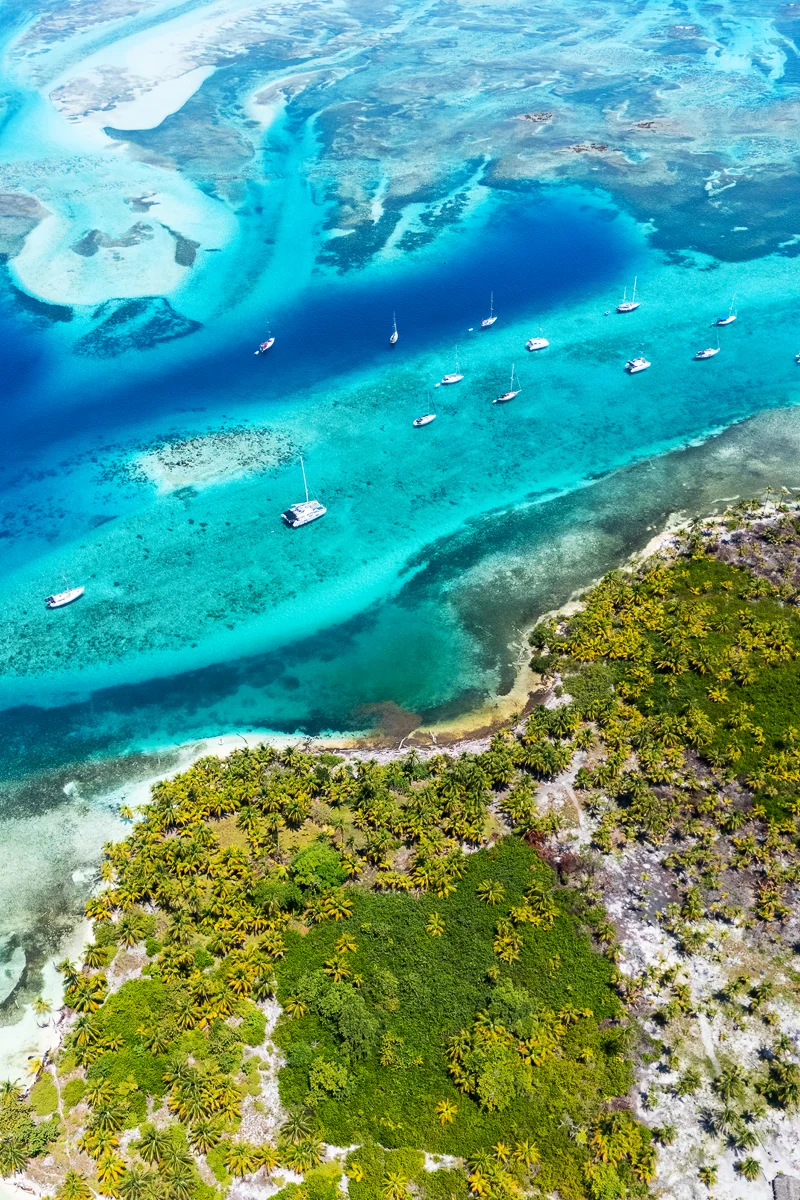
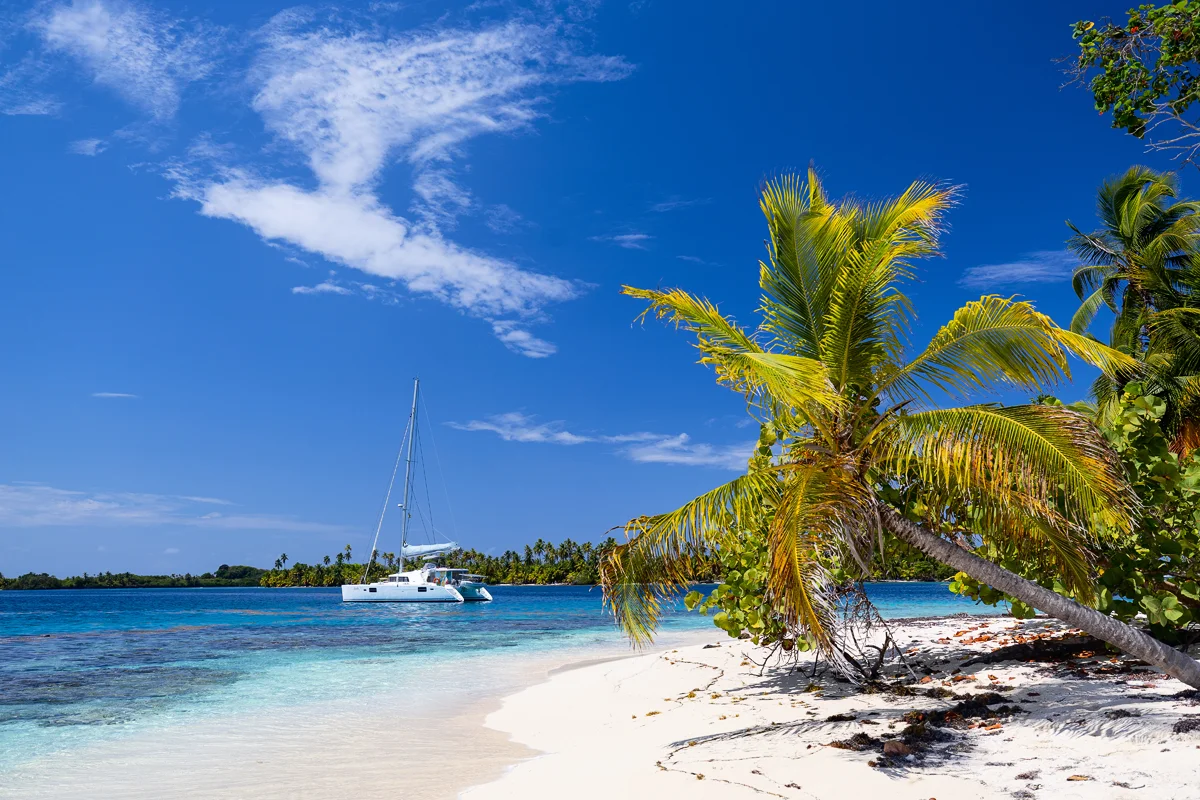
A chartered sailboat or catamaran gives you access to the most remote and untouched parts of the archipelago, dropping anchor at uninhabited islands and pristine snorkeling spots that few travelers ever reach. You naturally visit two or three different locations every day, island-hopping at your own pace without any rush.
With all meals and drinks included, a dedicated crew and chef on board, and the freedom to snorkel and explore whenever you like, it’s the most comfortable and rewarding way to experience the San Blas Islands. The boat becomes your hotel, your transport, and your restaurant, all in one.
Choosing Your Boat
This is the most important decision you’ll make before arriving in the San Blas Islands.
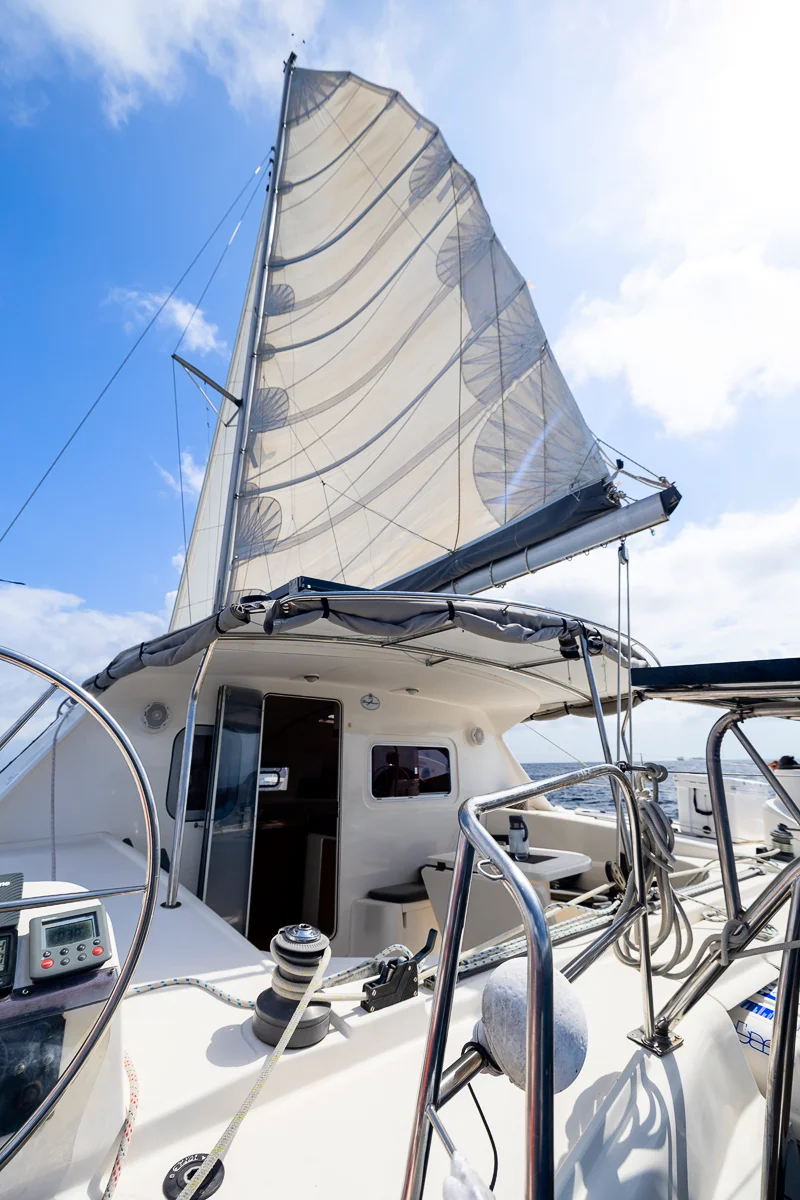
Catamaran vs. monohull. Catamarans offer more cabin space, superior stability, and a shallow draft that opens up lagoons and beaches unreachable by monohulls. They’re the practical choice for this archipelago. Monohulls deliver a more traditional sailing experience and can be a good option for smaller groups who prioritize being under sail over deck space.
Private vs. shared charter. A private charter means the entire boat is yours: your group sets the pace, chooses the experiences, and has the deck to themselves. A shared charter places you in a single cabin on a boat with other travelers. It’s a genuine way to meet people while still accessing the outer islands.
Save now, enjoy later
Too busy right now? Save this gem to Pinterest for later.
Check amenities and inclusions. Contact the operator directly to confirm what matters to you, whether that’s air conditioning or fans and open windows, Starlink Wi-Fi, or snorkeling gear.
Read recent reviews. Look at TripAdvisor and Google for both the charter company and the specific boat. Star ratings are a poor proxy for experience; recent guest comments will tell you far more.
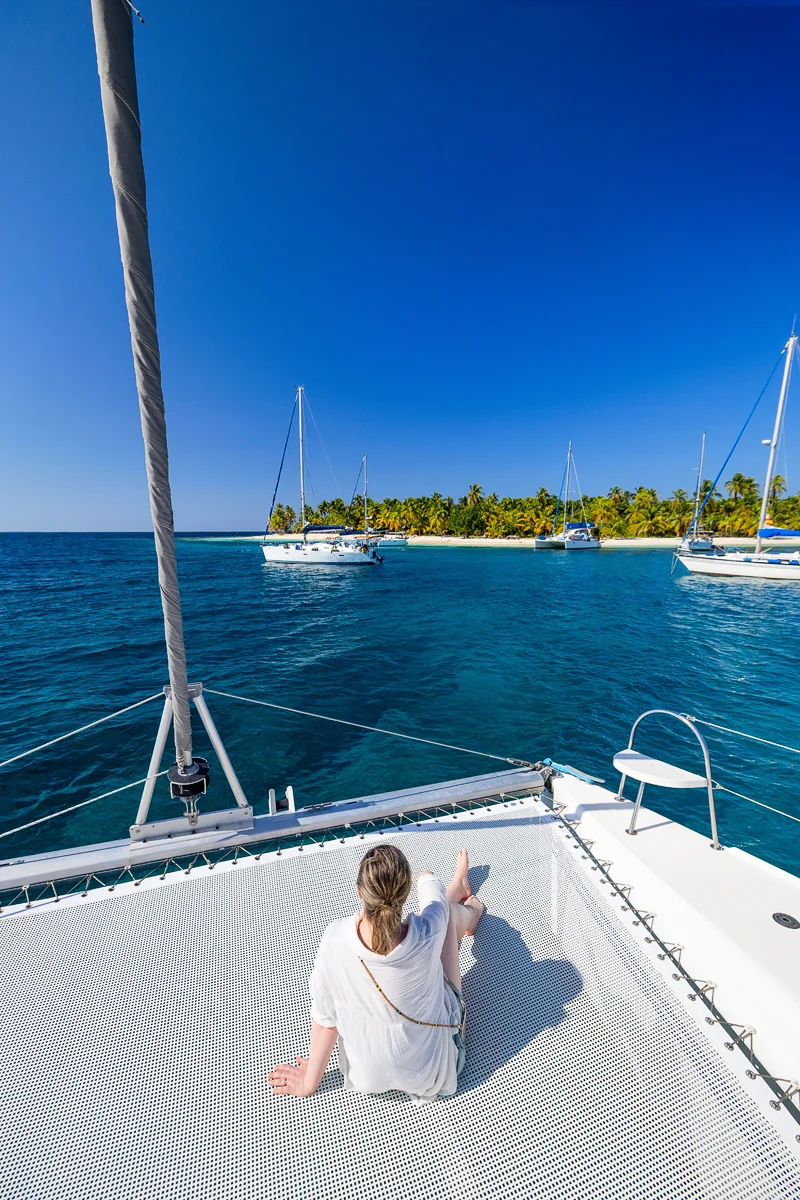
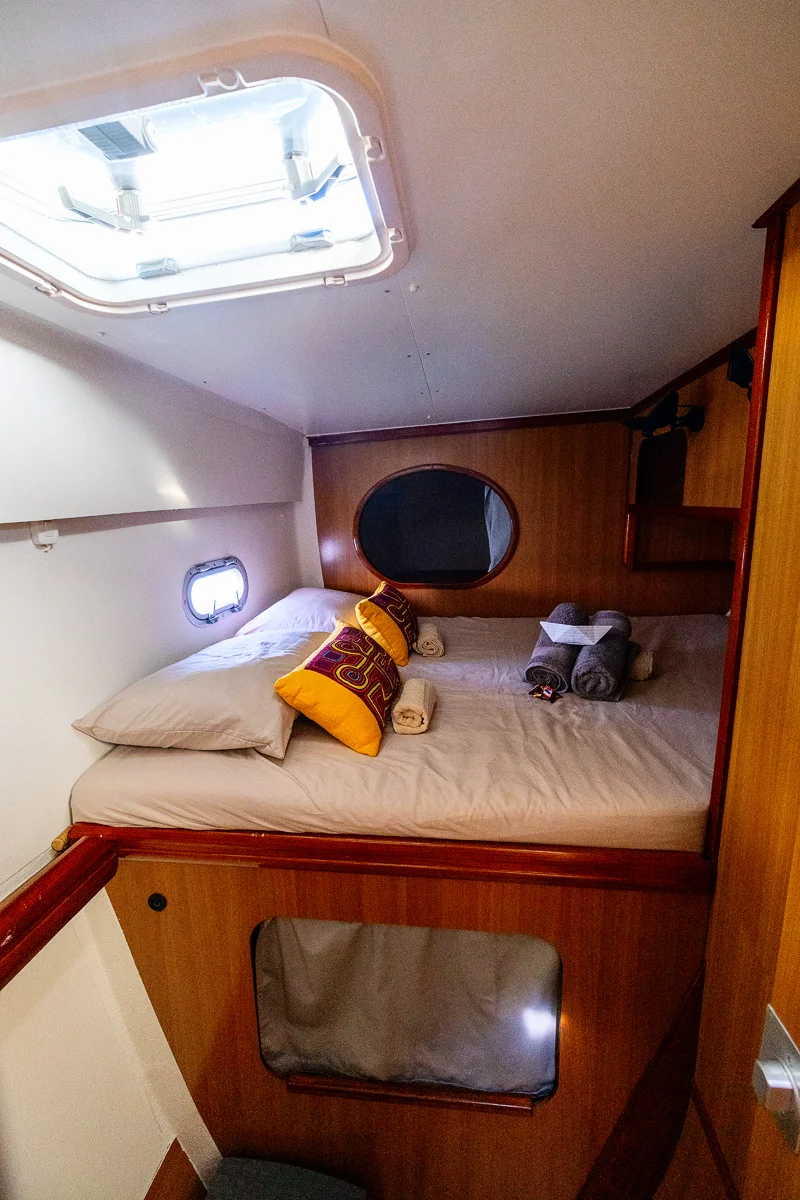
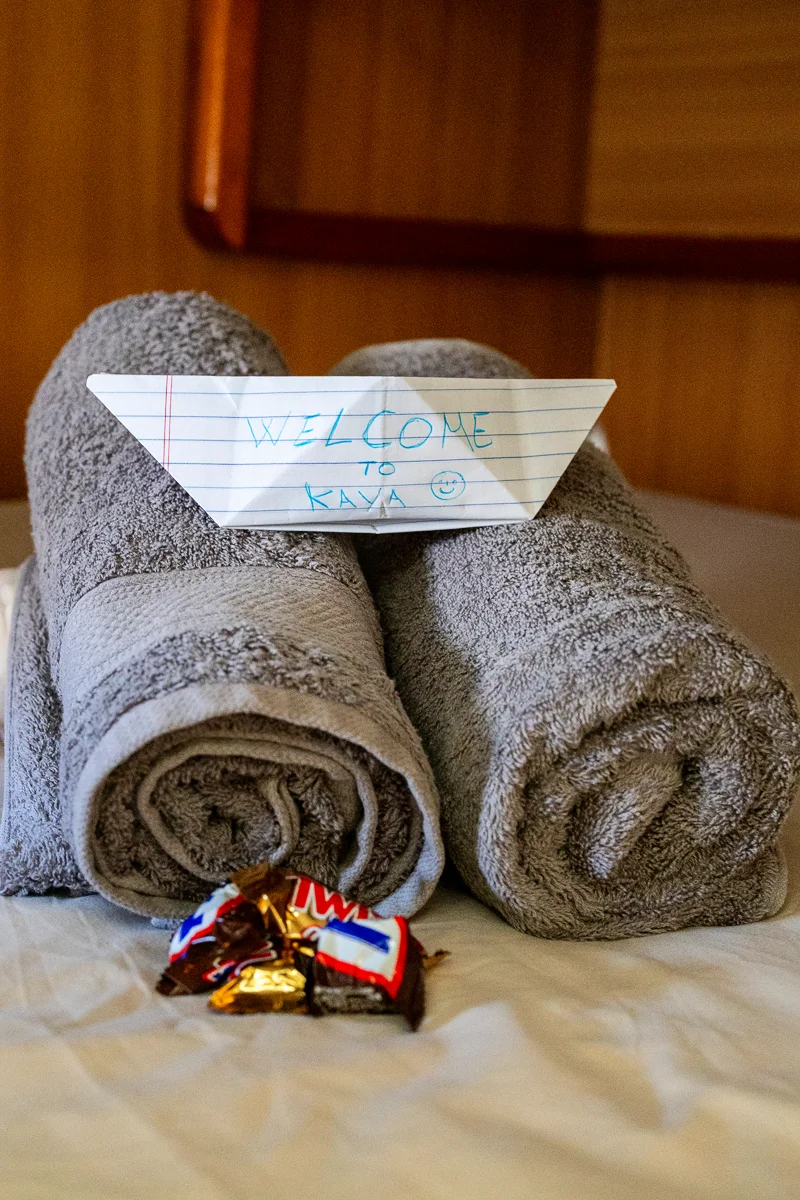
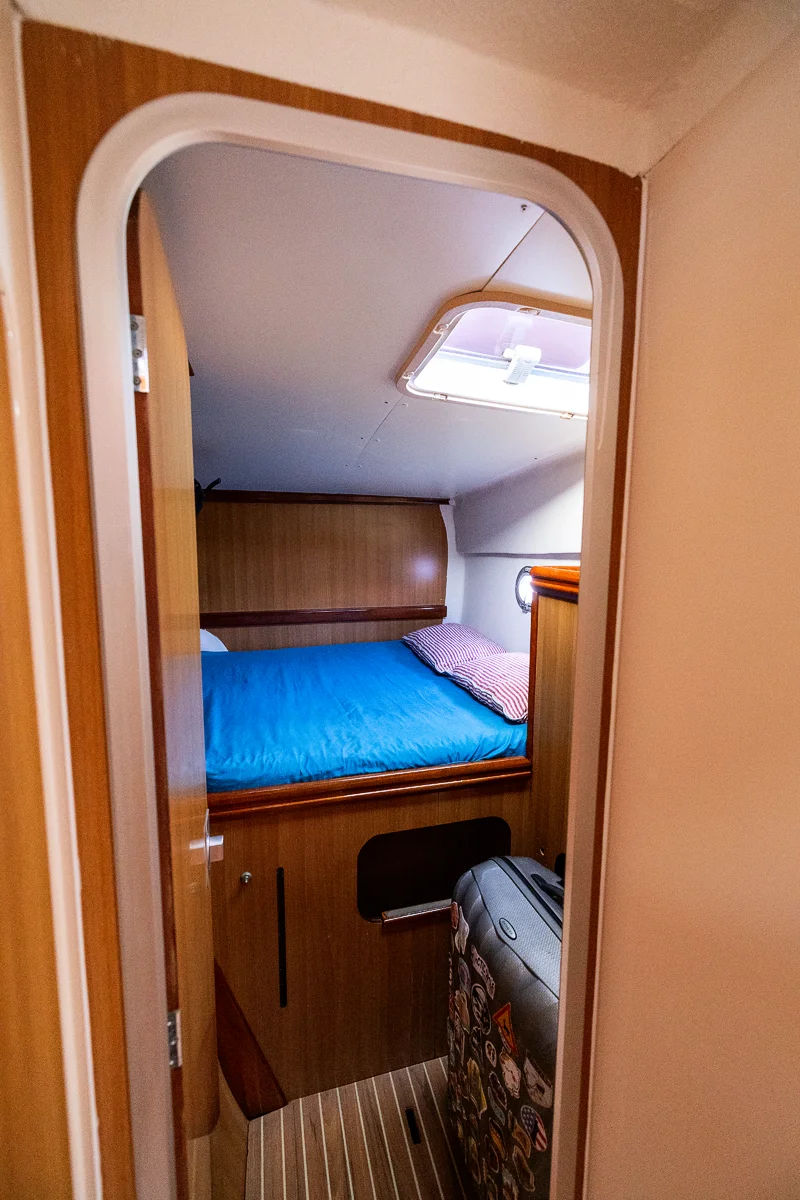
We chartered the Kaya catamaran through ULU I Travel by Boat for four nights and couldn’t have been happier with the choice. The itinerary covered the most remote parts of the San Blas Islands, and the food throughout was absolutely delicious.
A Typical Day on the Water
A typical day on a San Blas Islands sailing trip often breaks down like this.
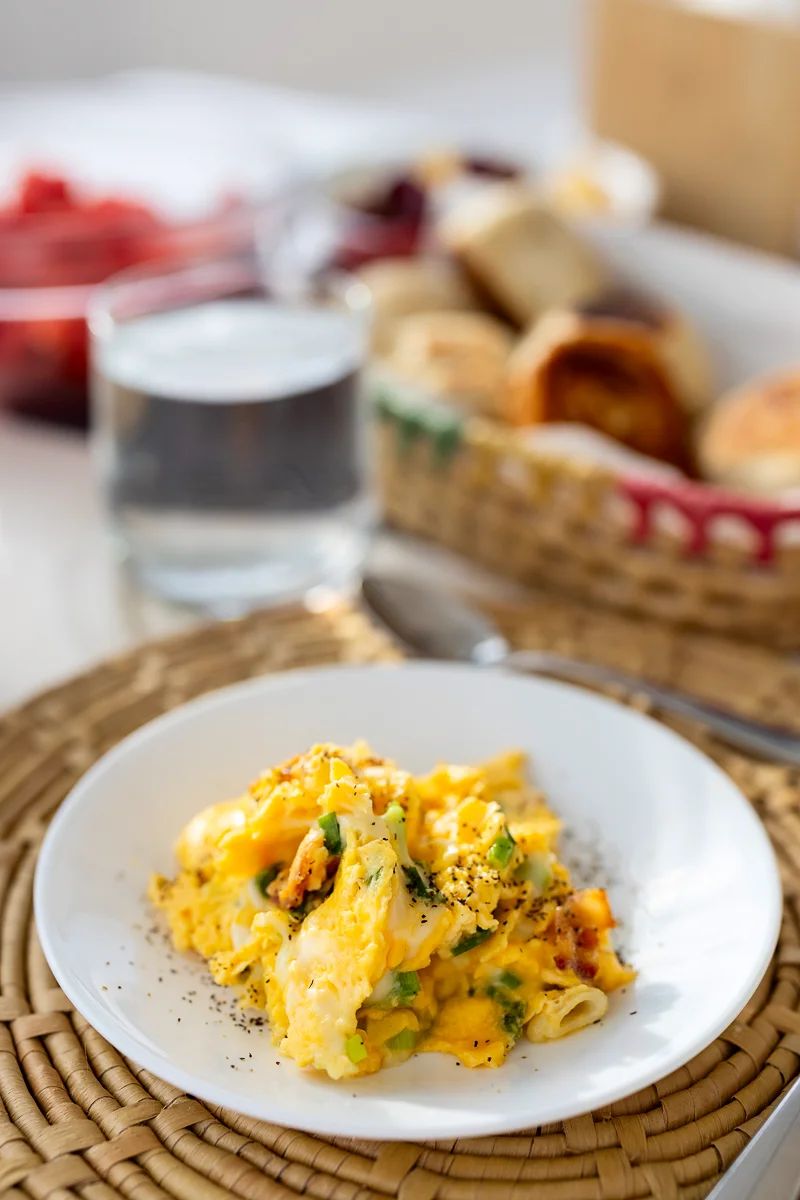
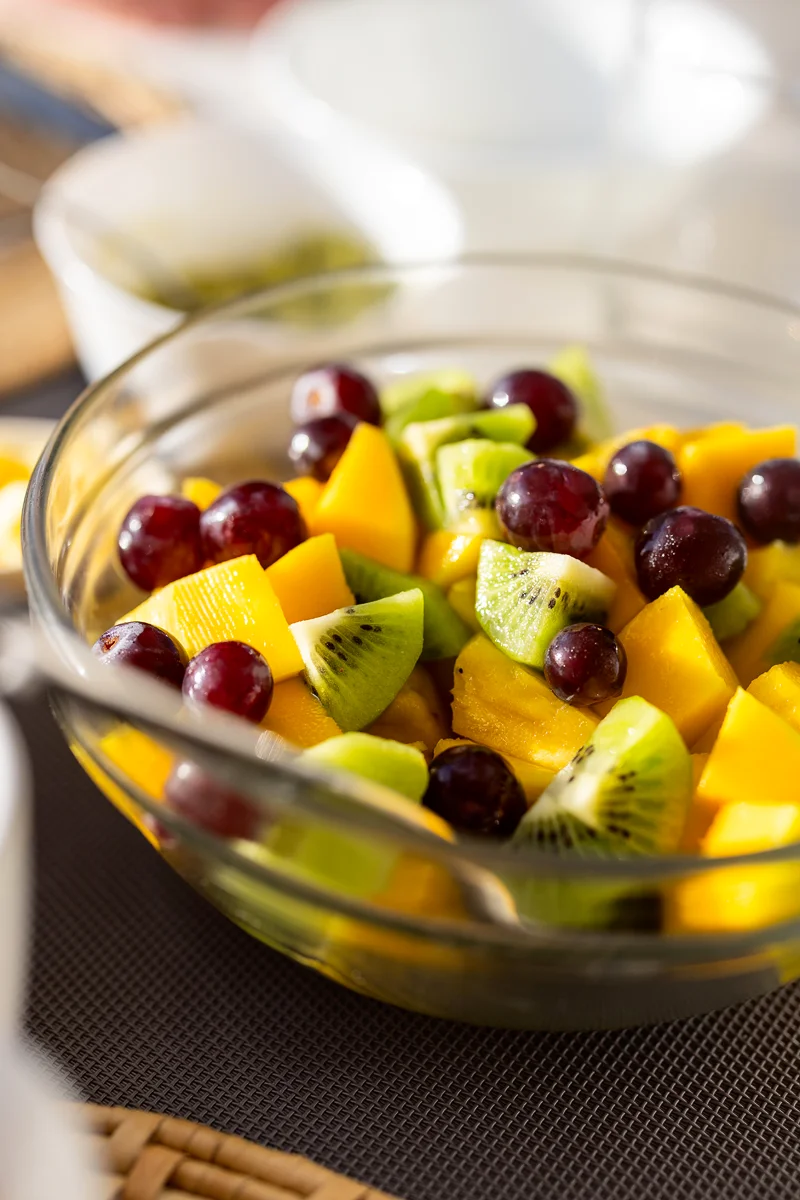
- Breakfast. Wake up to coffee or tea and a freshly prepared breakfast on deck.

- Morning sail. The longest sail of the day, usually one to two hours, takes you to the next remote cay or cluster of islands.
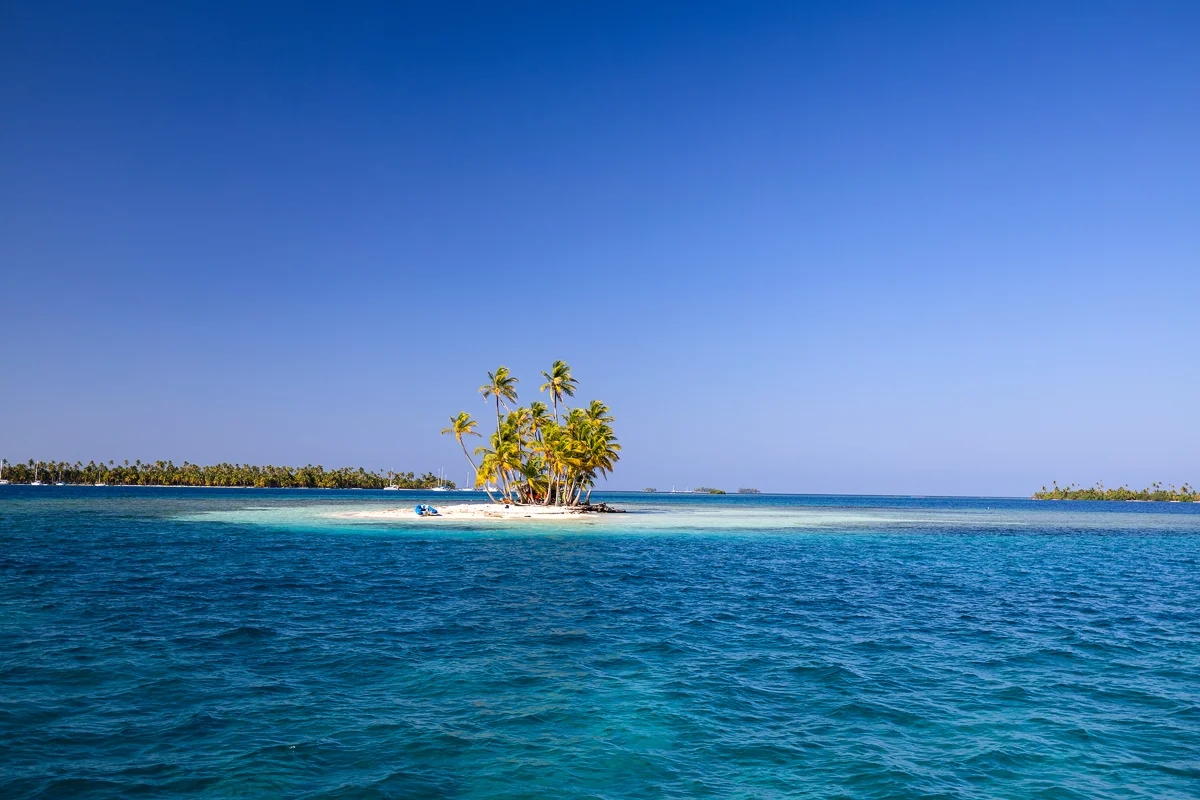
- Island hopping and snorkeling. Island hop by dinghy, explore uninhabited beaches, snorkel the reefs, or paddleboard across shallow lagoons.
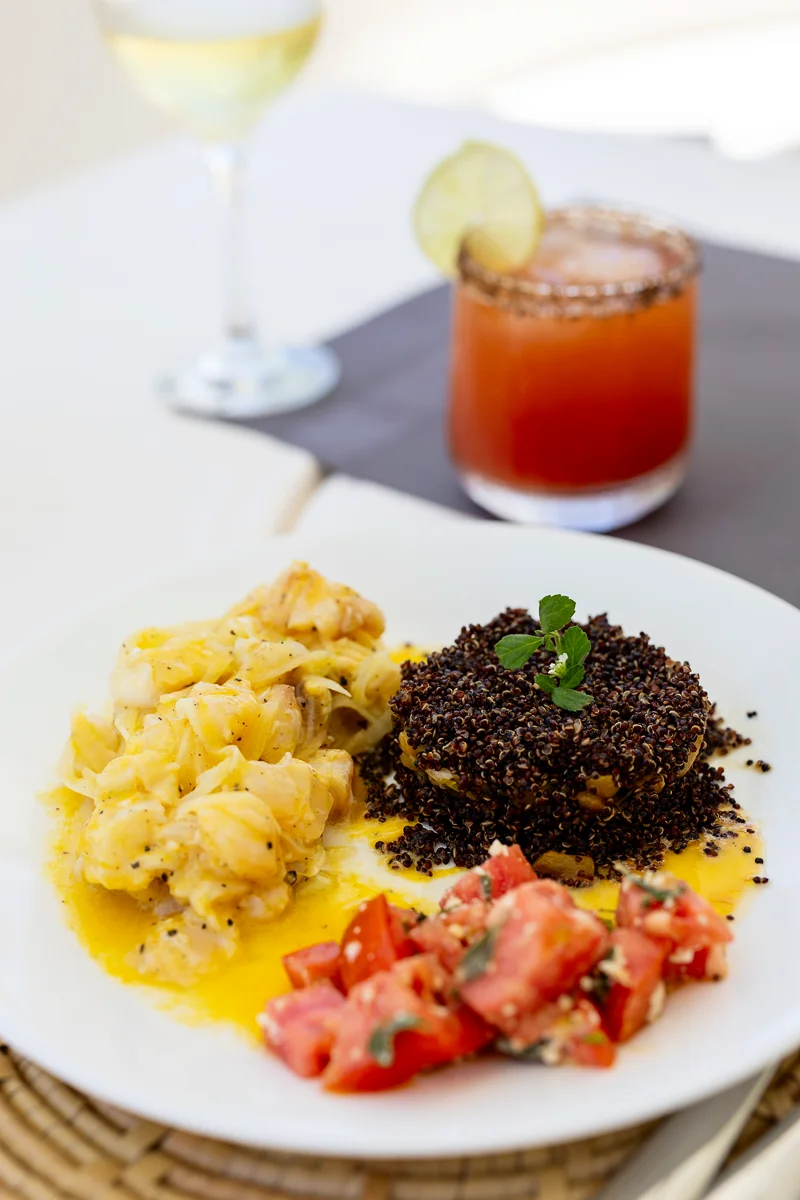
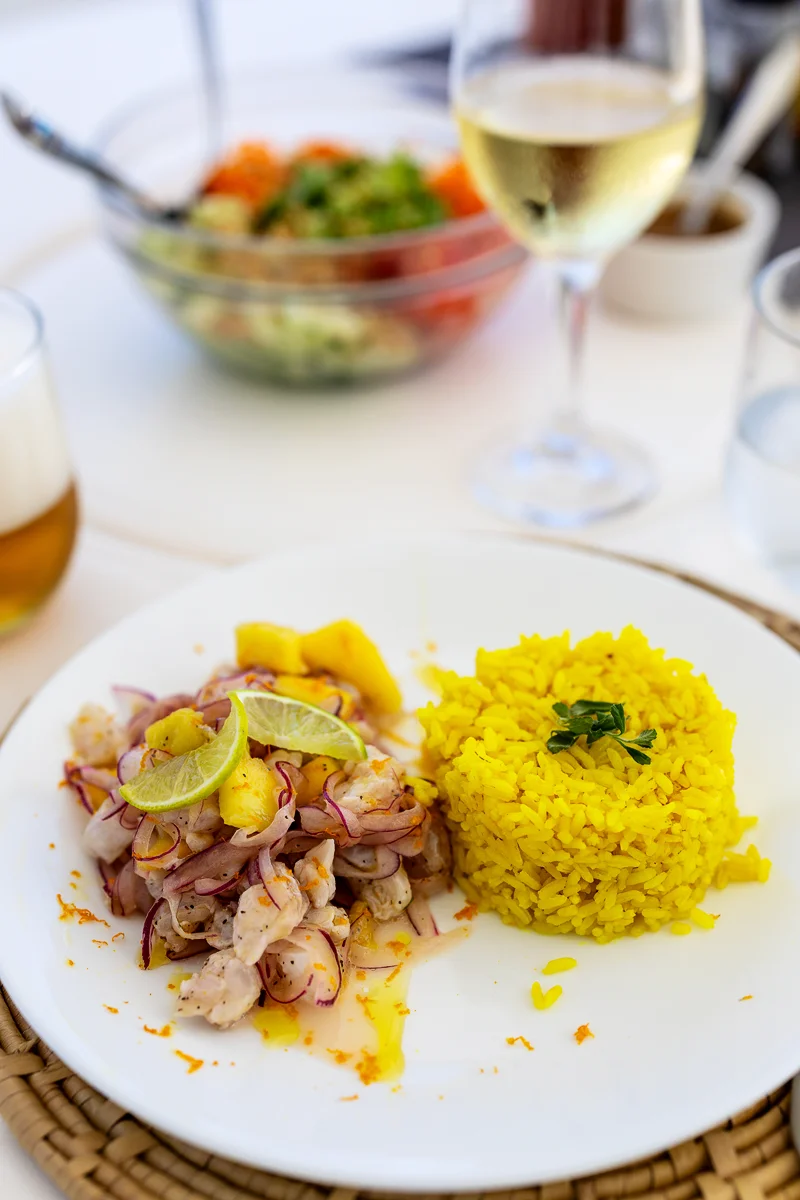
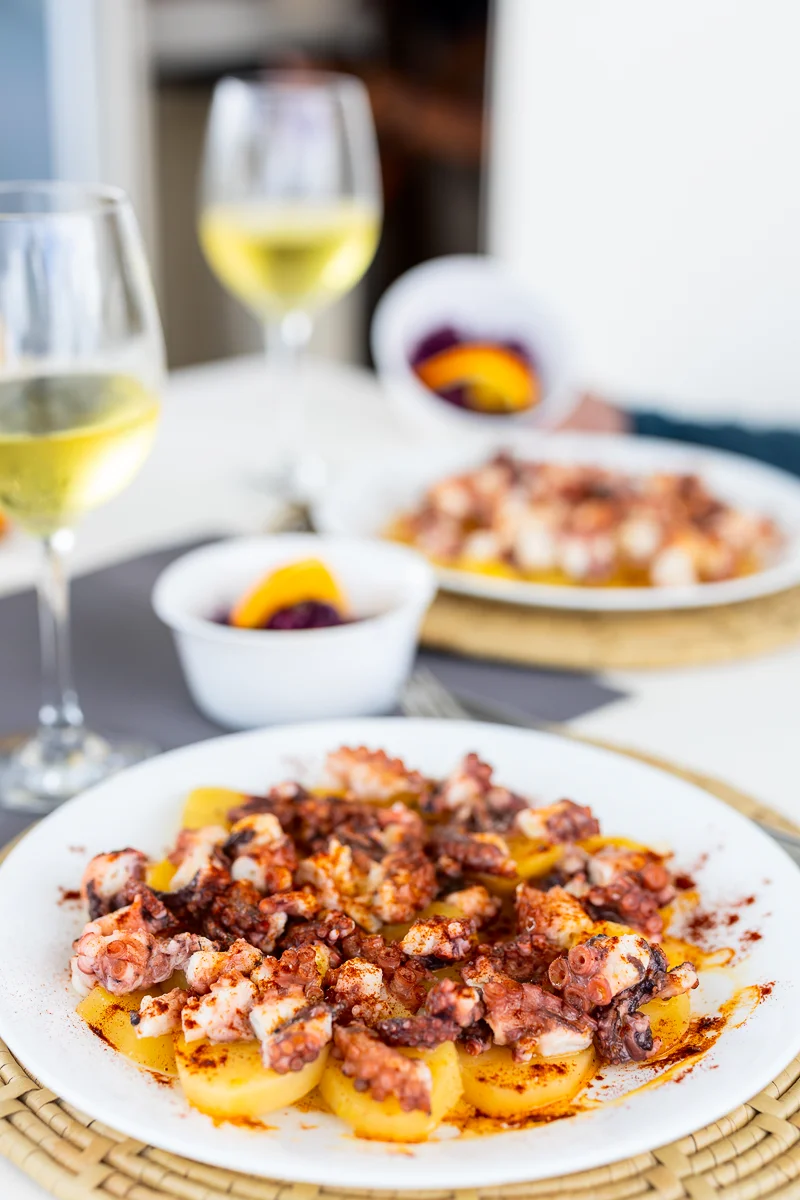
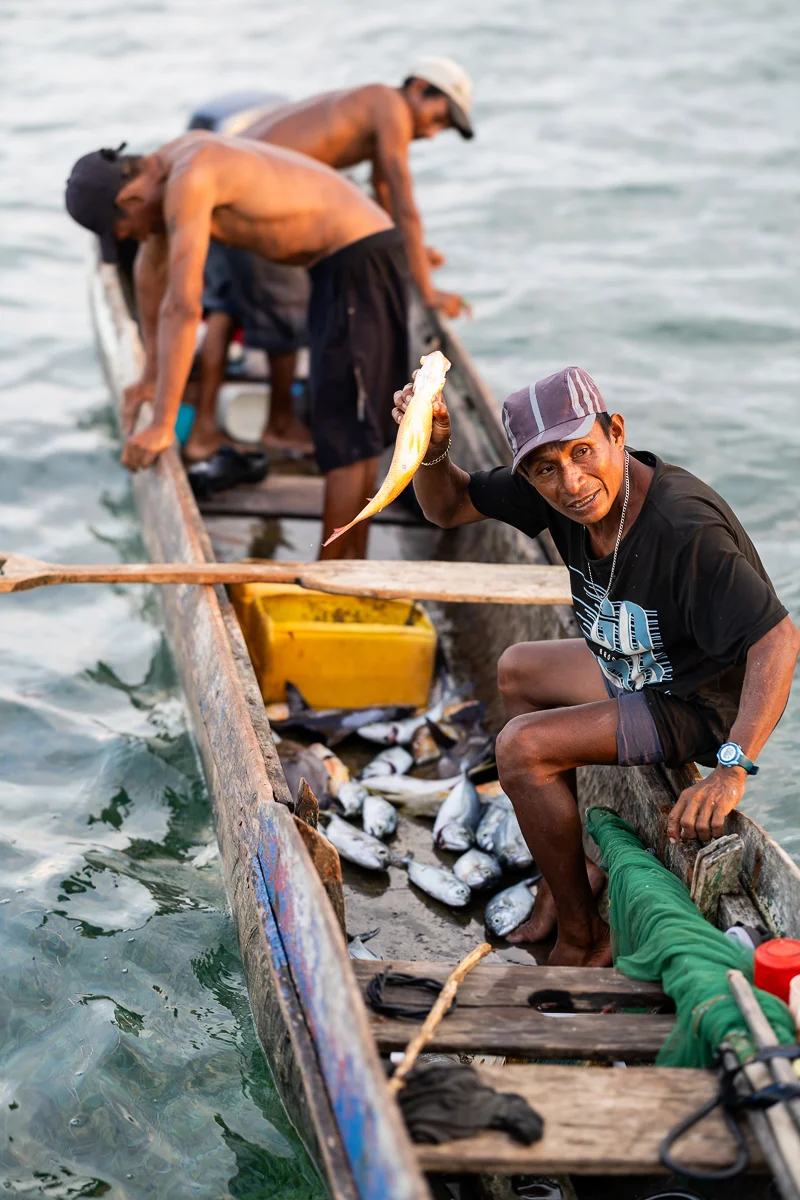
- Lunch. Back on board for a sea-to-table lunch. Guna fishermen pull up alongside in their boats to sell whatever they caught that morning. On some days, lunch becomes a beachside barbecue under the palm trees.
- Afternoon activities. Sail to the night’s anchorage, with time to visit a Guna village, browse handcrafted molas, or explore another island.
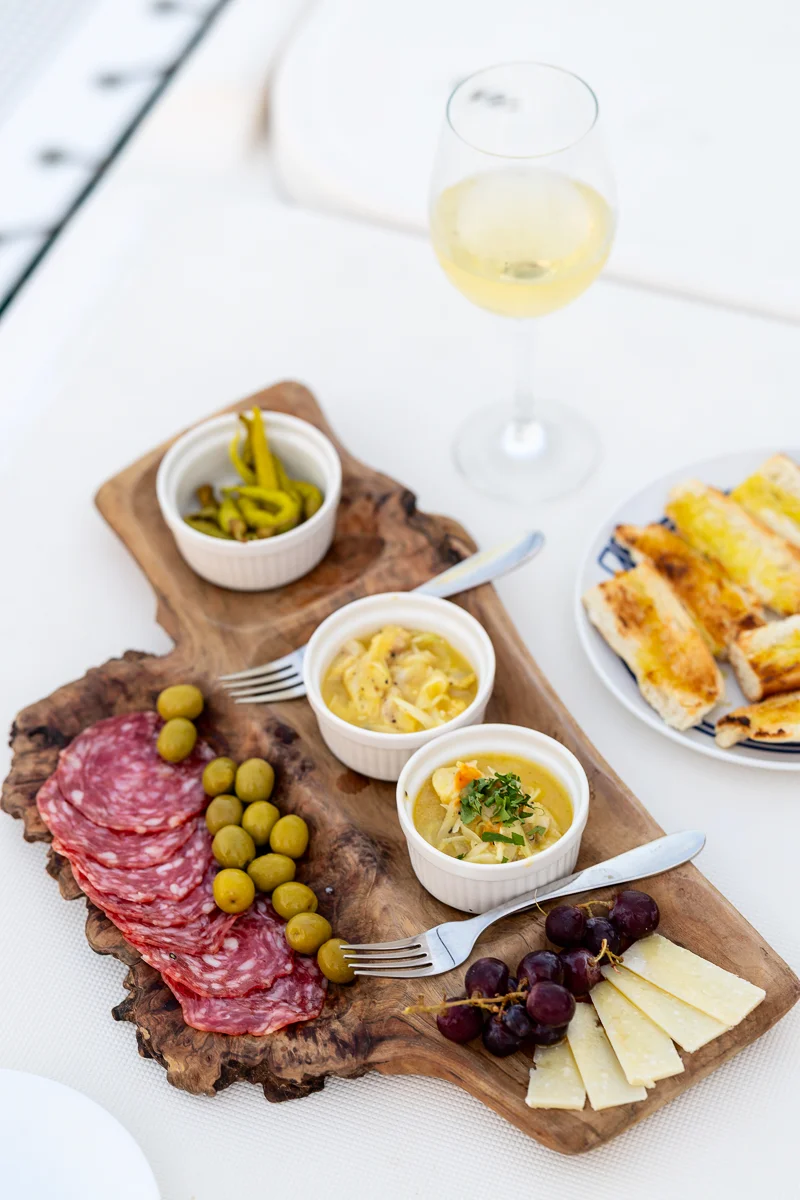
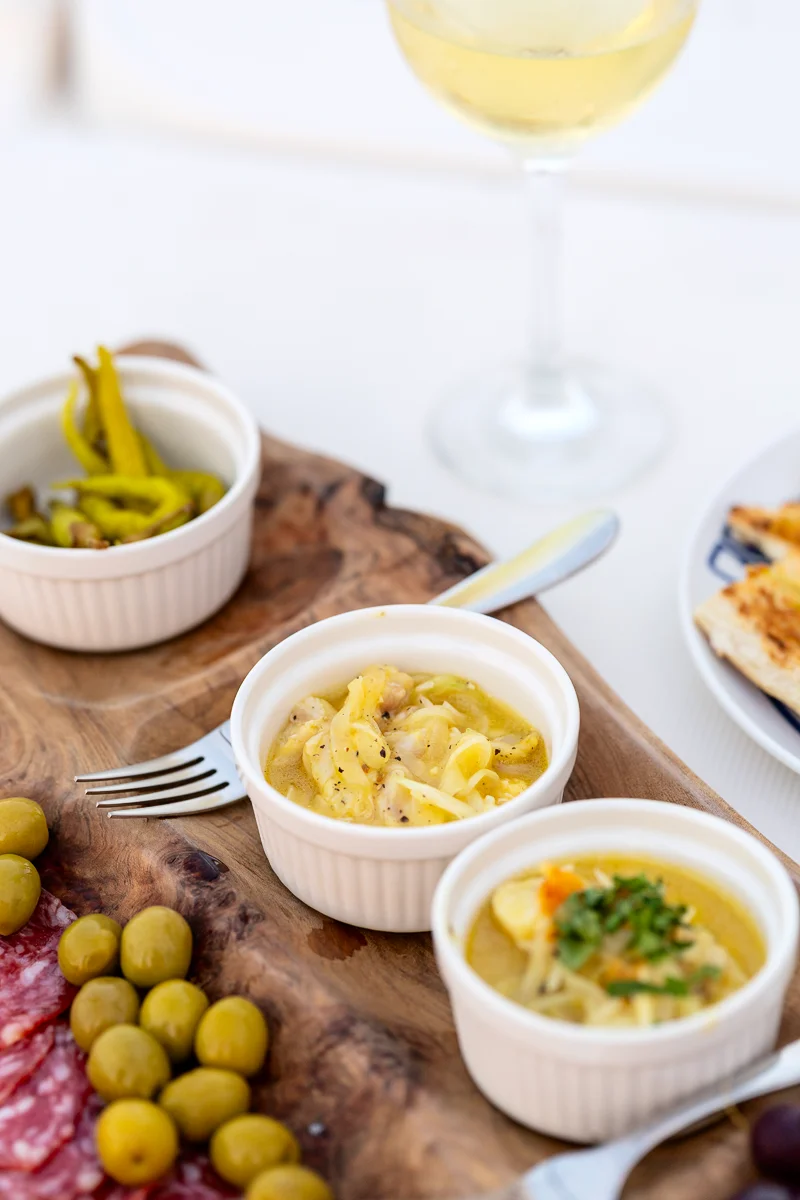
- Sundowner. Sunset on deck with a drink and snacks.
- Dinner and stargazing. After dinner, the deck becomes the best seat in the house under completely unpolluted night skies.
Highlights and Activities
The San Blas Islands divide naturally into two distinct parts. Close to the mainland, you’ll find the islands frequented by day-trippers. Further out lie the outer islands and cays – isolated, pristine, and largely untouched. This is the part of the San Blas Islands we’d recommend making the focus of your trip, and here are some of the best things you can do there.
Island Hop Through the Dutch Cays
The Dutch Cays (Cayos Holandeses) are one of the most serene parts of the San Blas Islands. Sitting further out from the mainland, they see far fewer visitors than the rest of the archipelago.
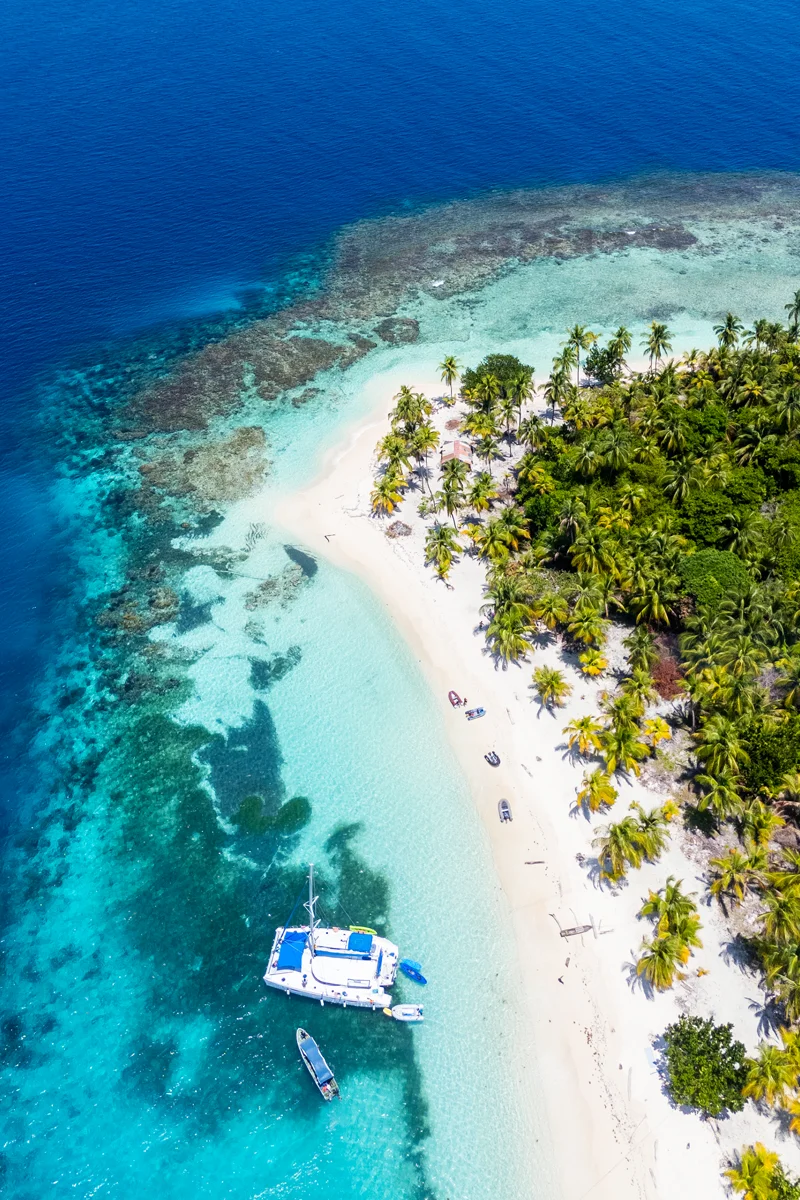
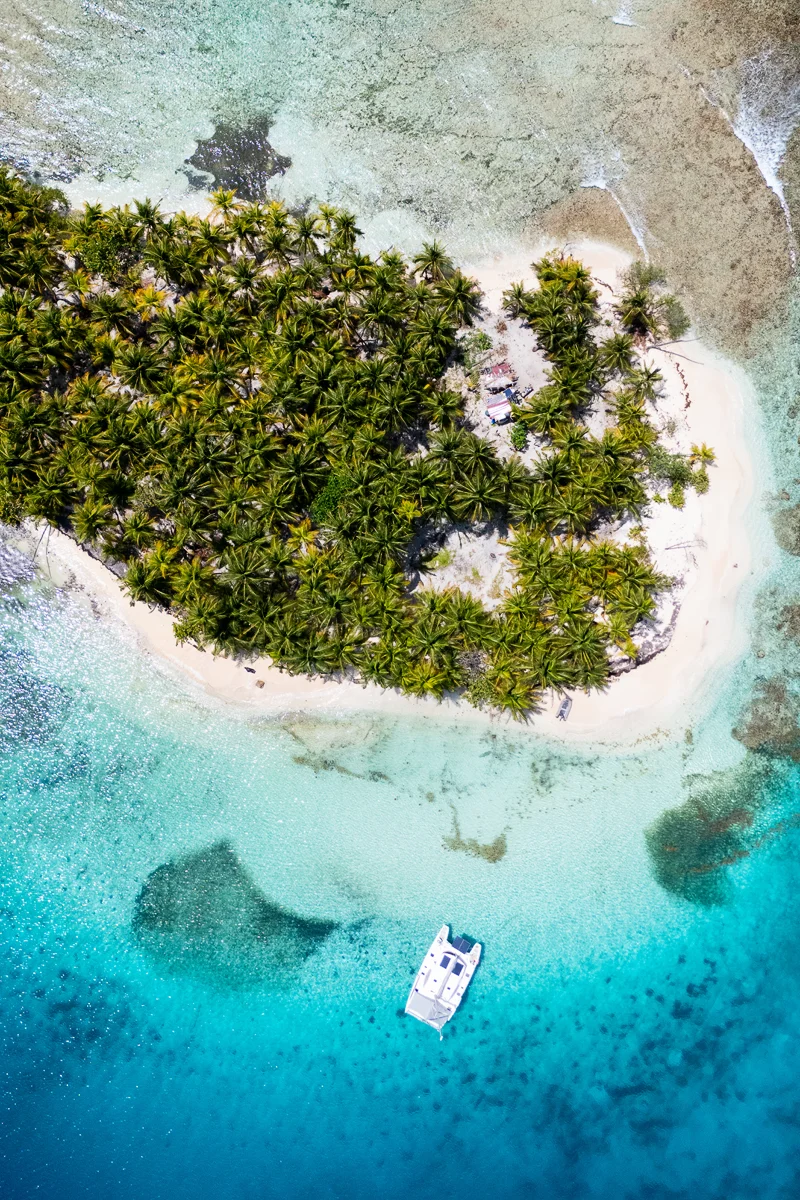
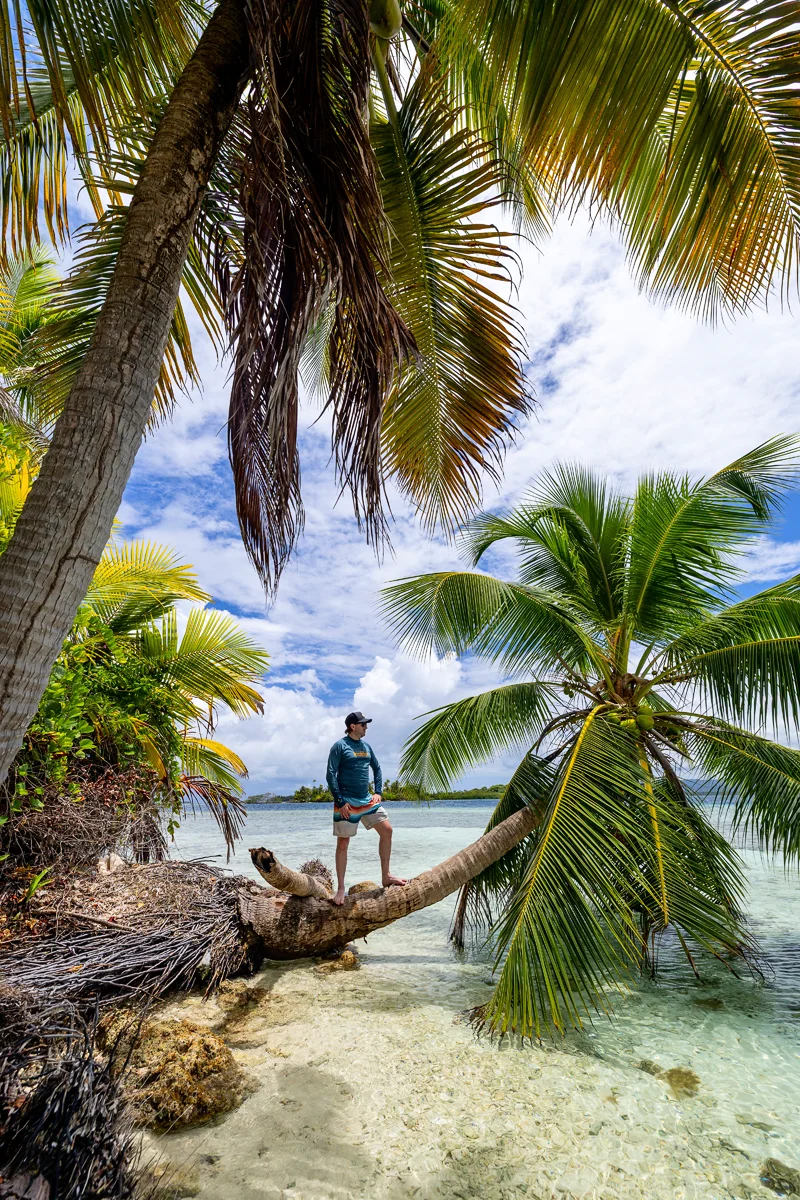
Isla Sibadup📍 was one of our favorite places in the entire archipelago. It’s a small, palm-covered island surrounded by surreal turquoise waters. A local fisherman’s family lives here and takes obvious pride in it.
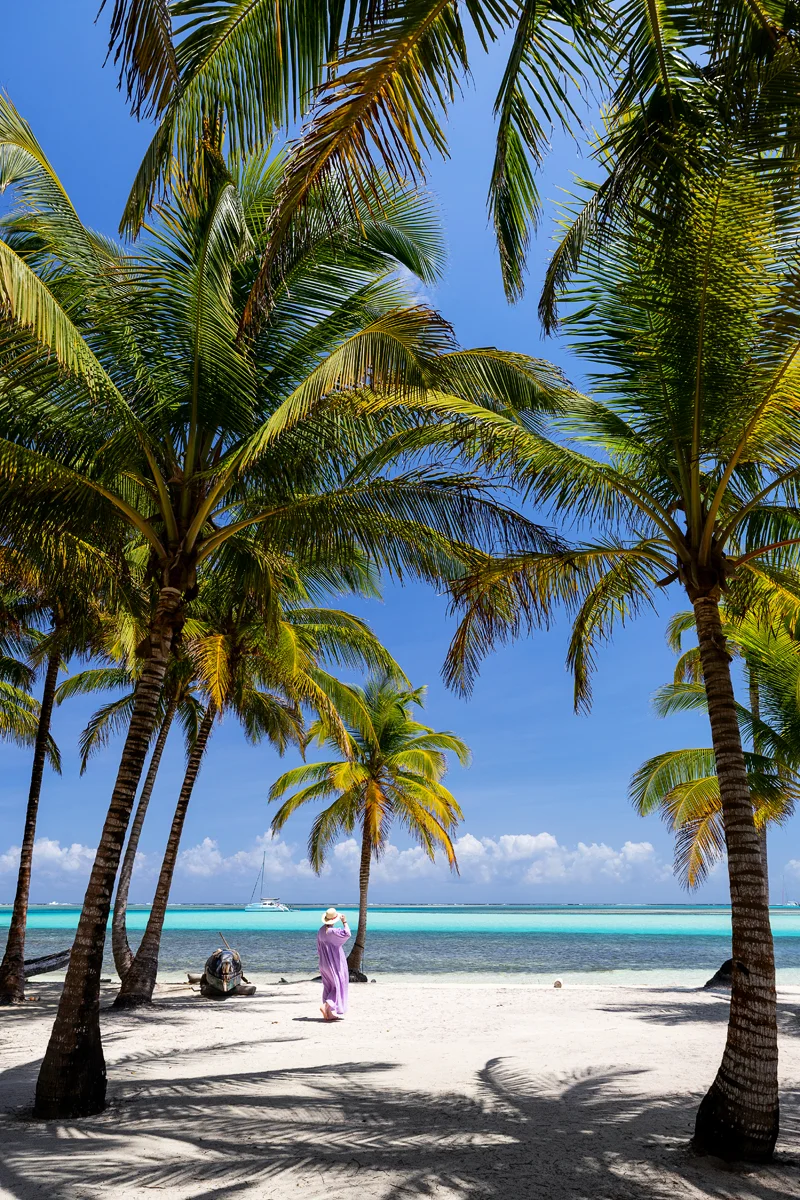
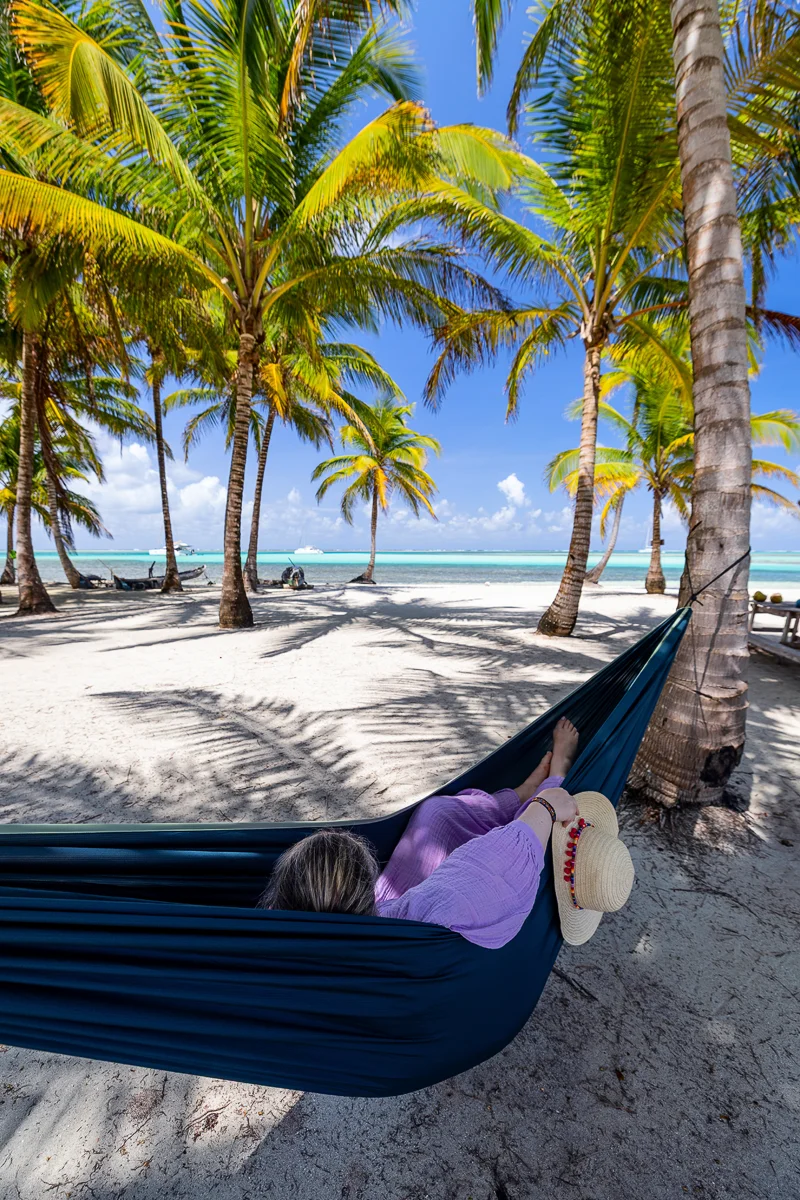
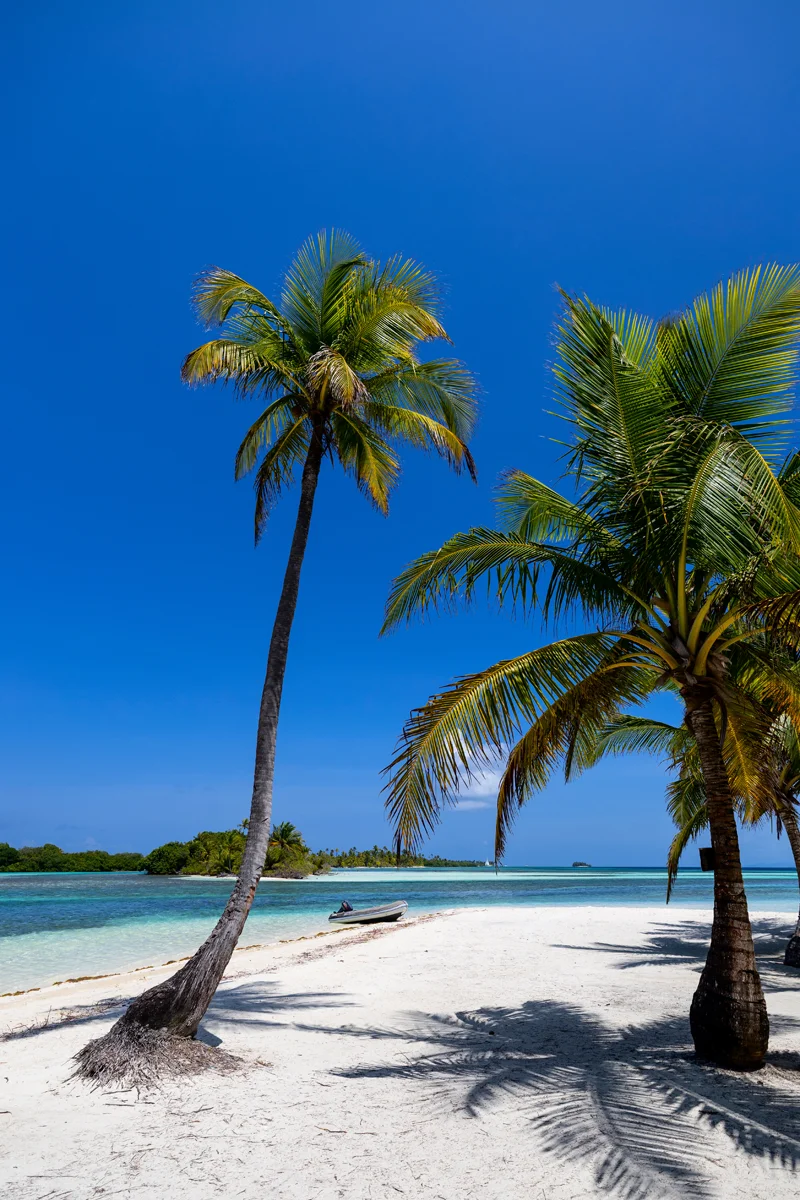
Isla Morrodub📍 (also known as Turtle Island or BBQ Island) is one of the most well-kept islands in Guna Yala. Raguda Bar here or Ibin’s Beach Restaurant & Bar on the neighboring Isla Banedup📍 are both good spots to try the local Coco Loco cocktail, served inside a freshly cut coconut.
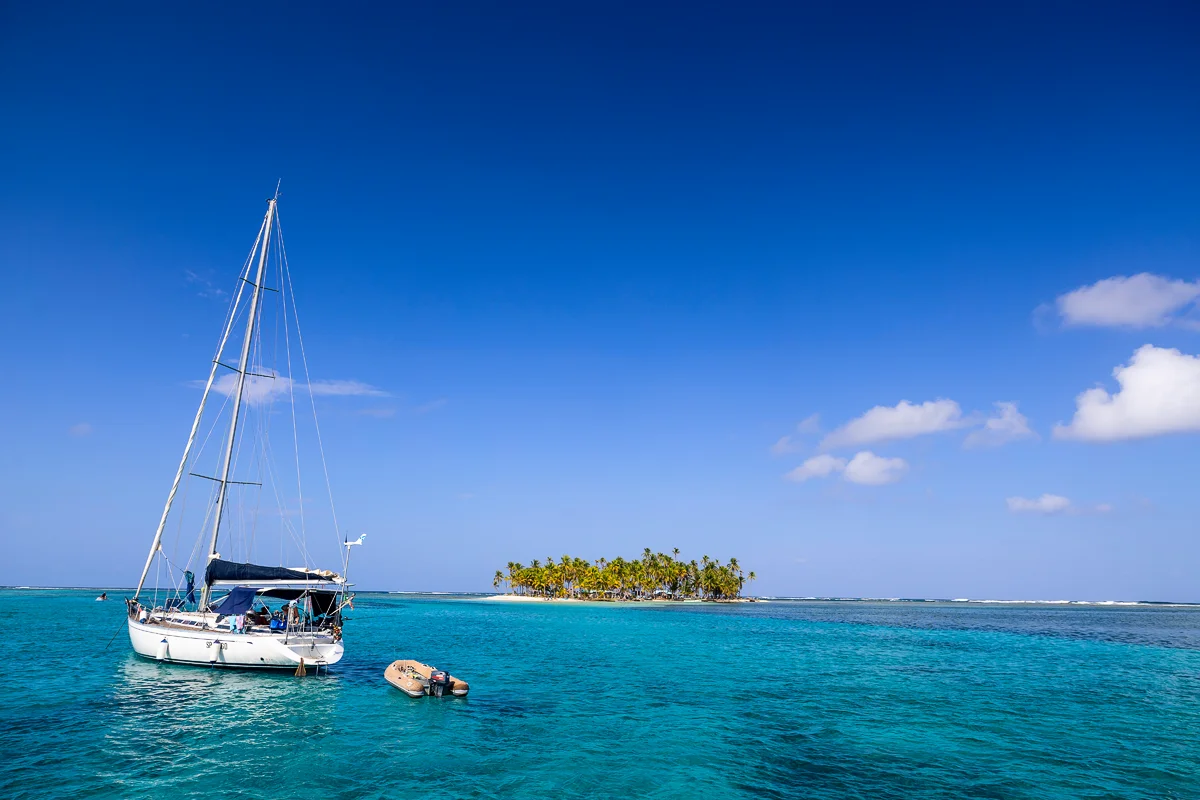
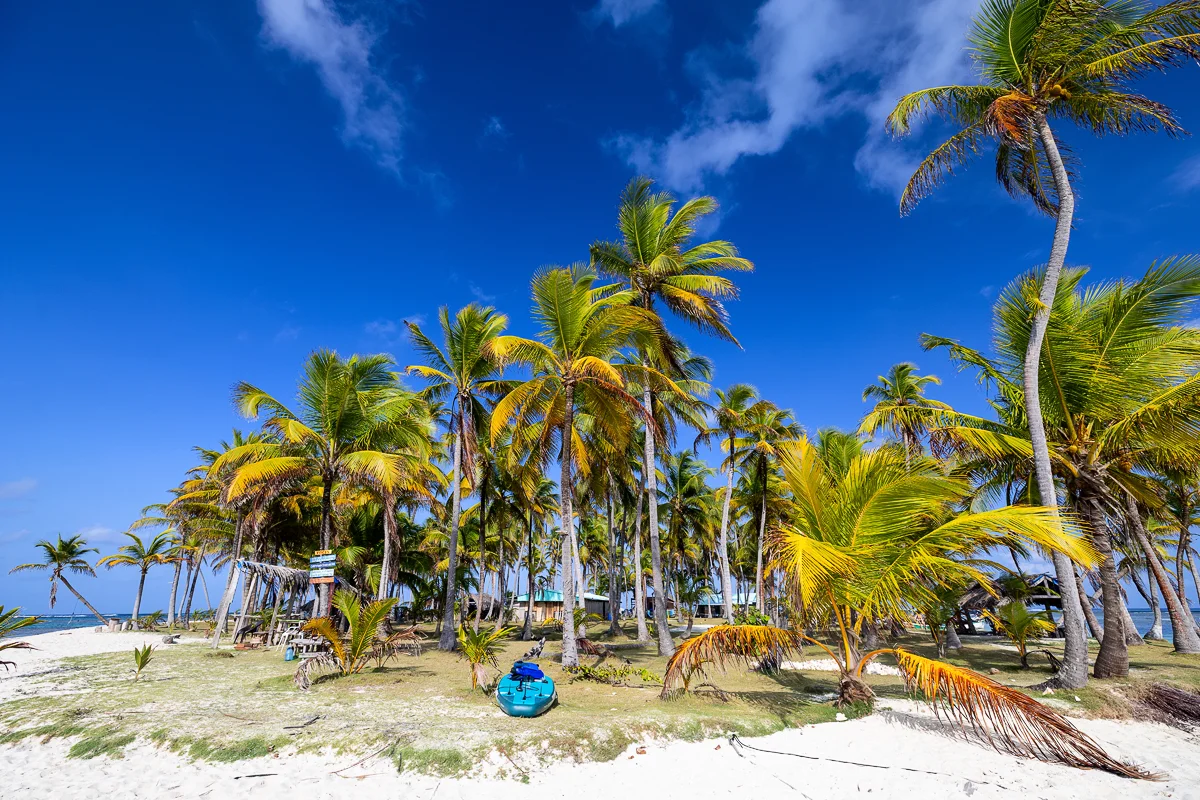
Isla Quinquindup📍 is a small, idyllic island with white-sand beaches, crystal-clear turquoise waters, and coral reefs easily accessible from the beach. You can walk the entire perimeter in about 10 minutes. A friendly local fisherman lives on the island with his two dogs.
Float in The Swimming Pool
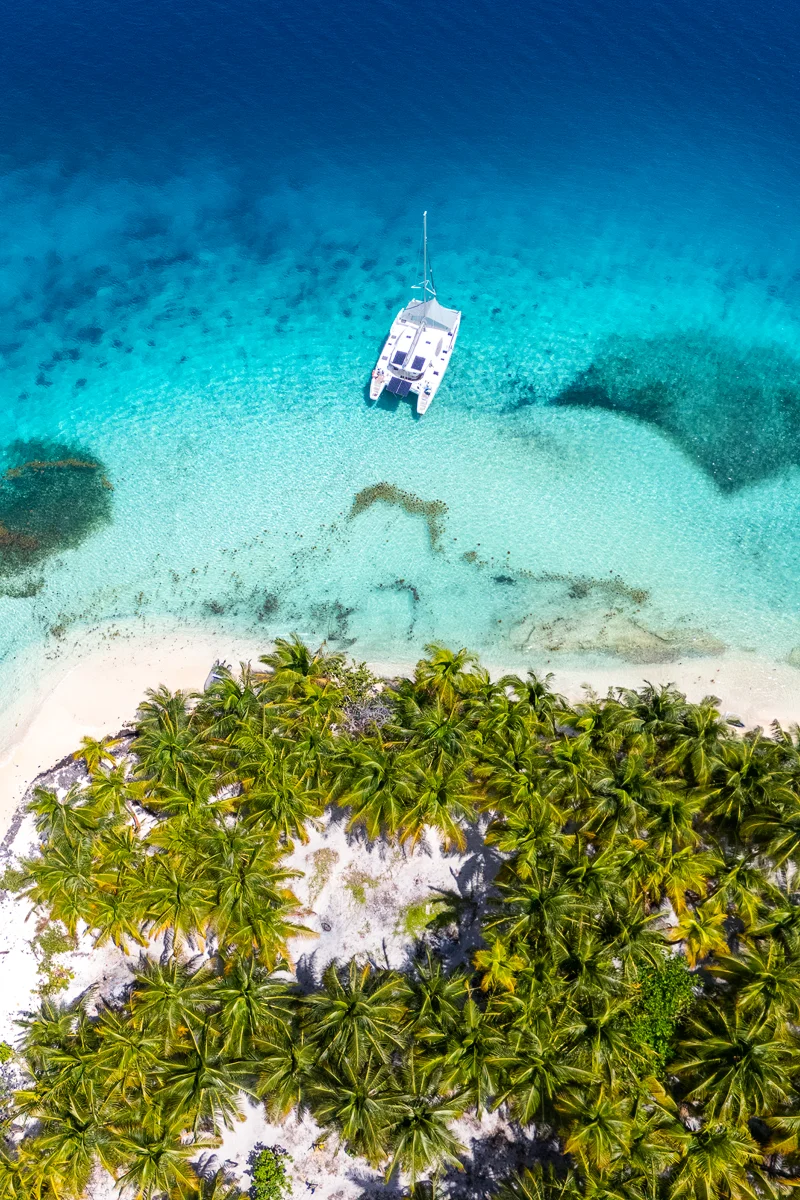
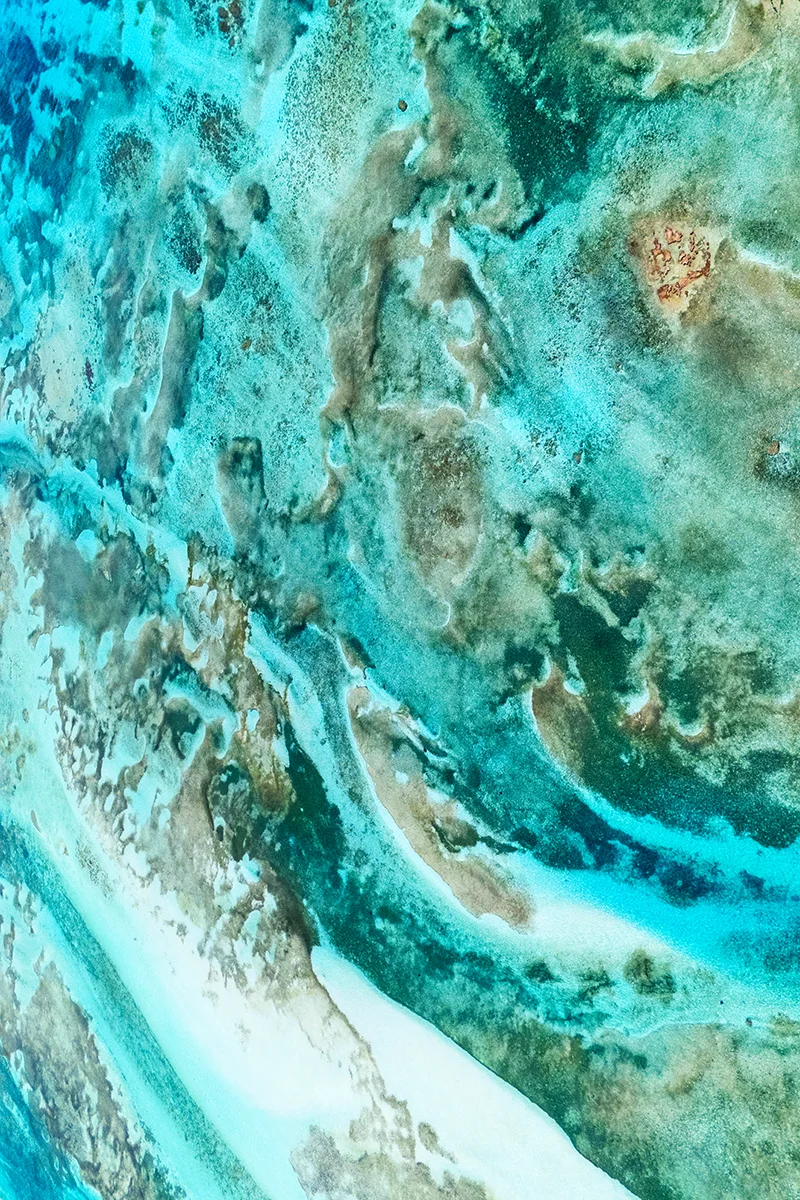
A massive barrier reef shelters the Dutch Cays from Atlantic swells. Near Isla Morrodub and Isla Banedup lies a vast area of shallow, crystal-clear water that sailors call The Swimming Pool📍. Hidden within the outer Dutch Cays, it’s one of the calmest, flattest anchorages in the archipelago, and one of the best nights of sleep you’ll have on the water. The sandy floor is home to a large population of starfish.
Glide Across Los Bajos Lagoon
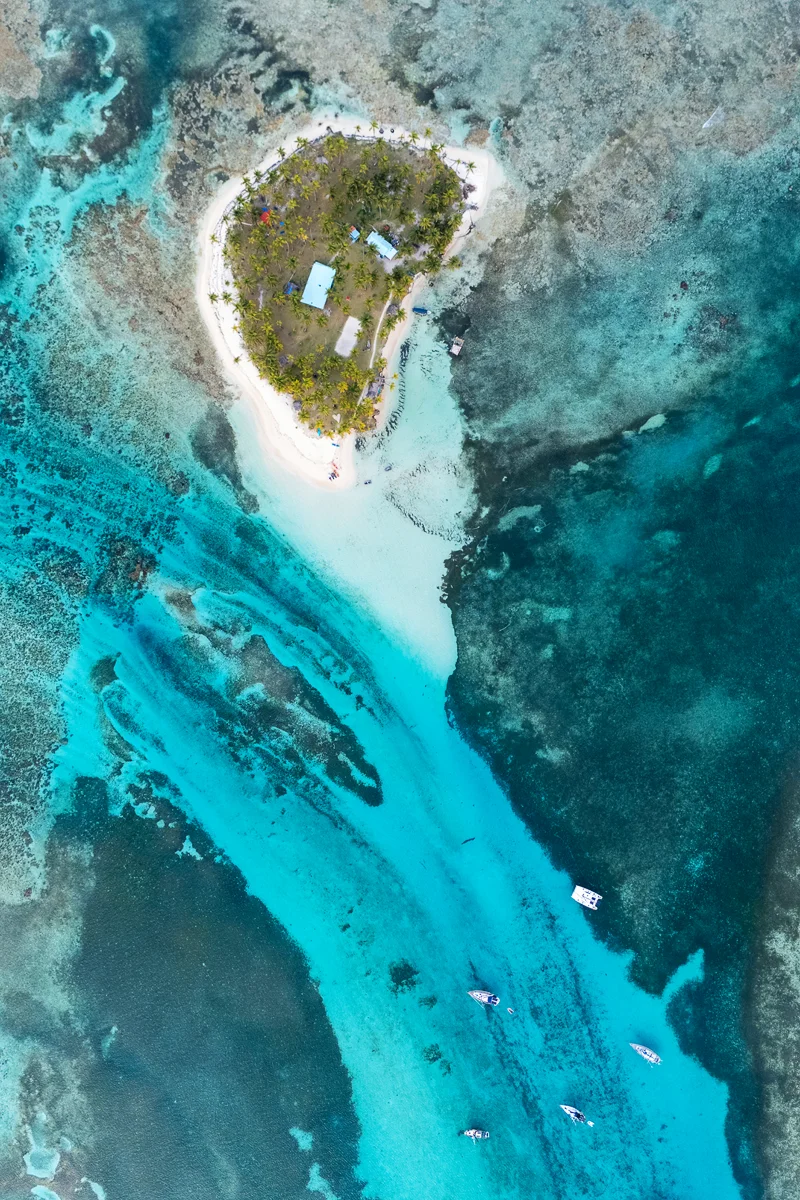
The Los Bajos Lagoon📍 is the most secluded area of the San Blas Islands, and one of the main reasons to choose a catamaran. Monohulls risk grounding in the shallow approach. Getting inside requires some challenging navigation, which keeps most boats out.
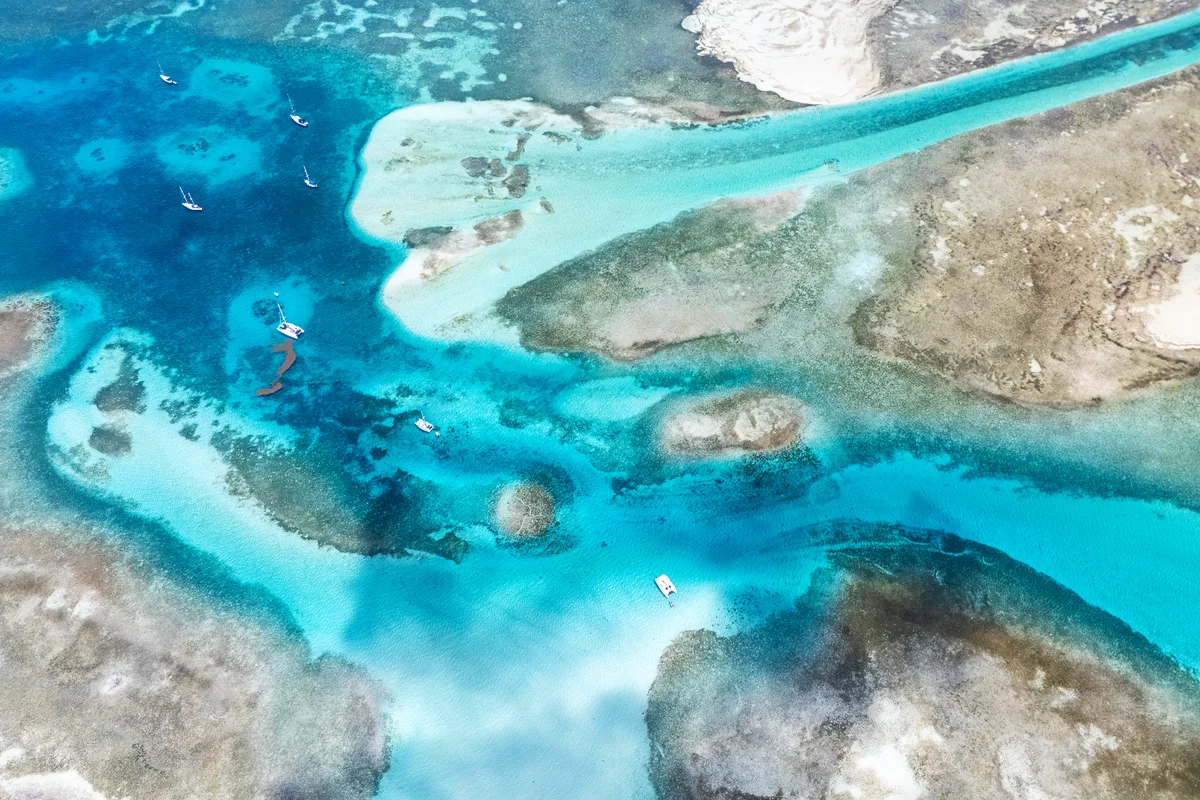
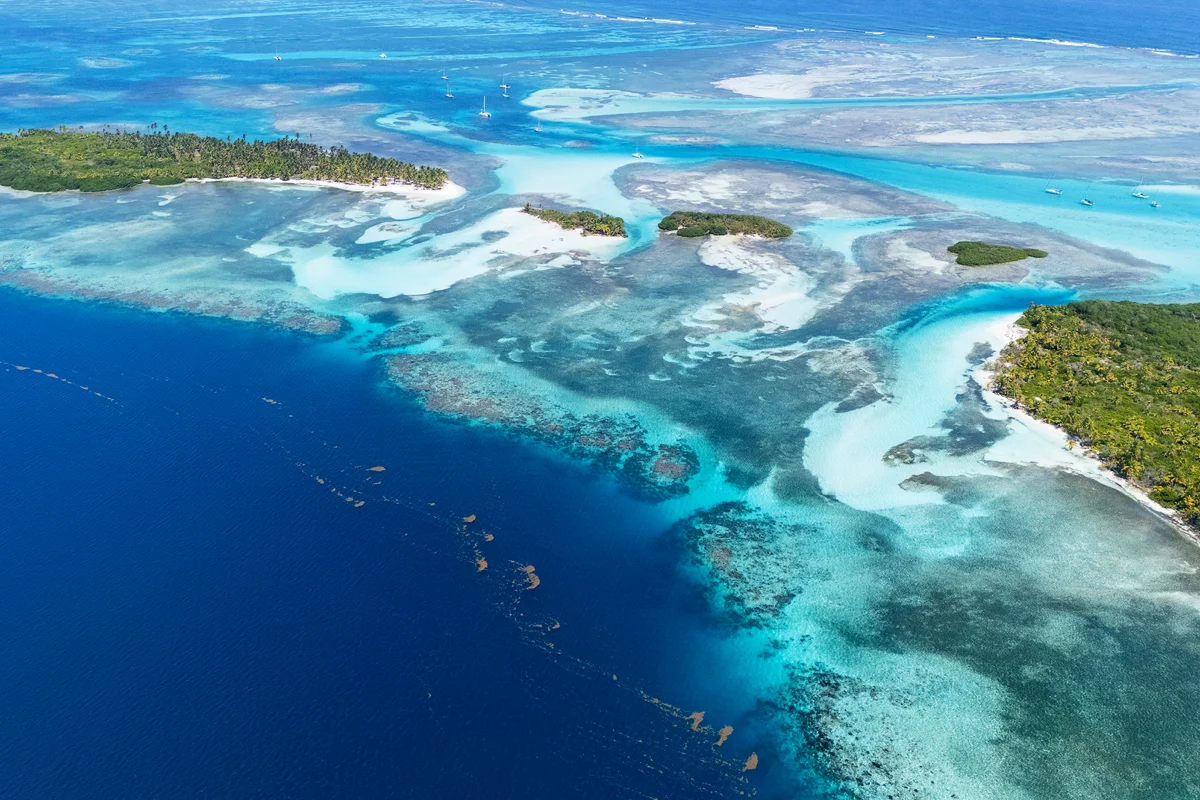
Its shallow, crystal-clear water is best explored by kayak or paddleboard off the back of the boat. Many sailors consider this the most spectacular spot in all of Guna Yala. We’d be hard-pressed to argue otherwise.
Experience Guna Culture
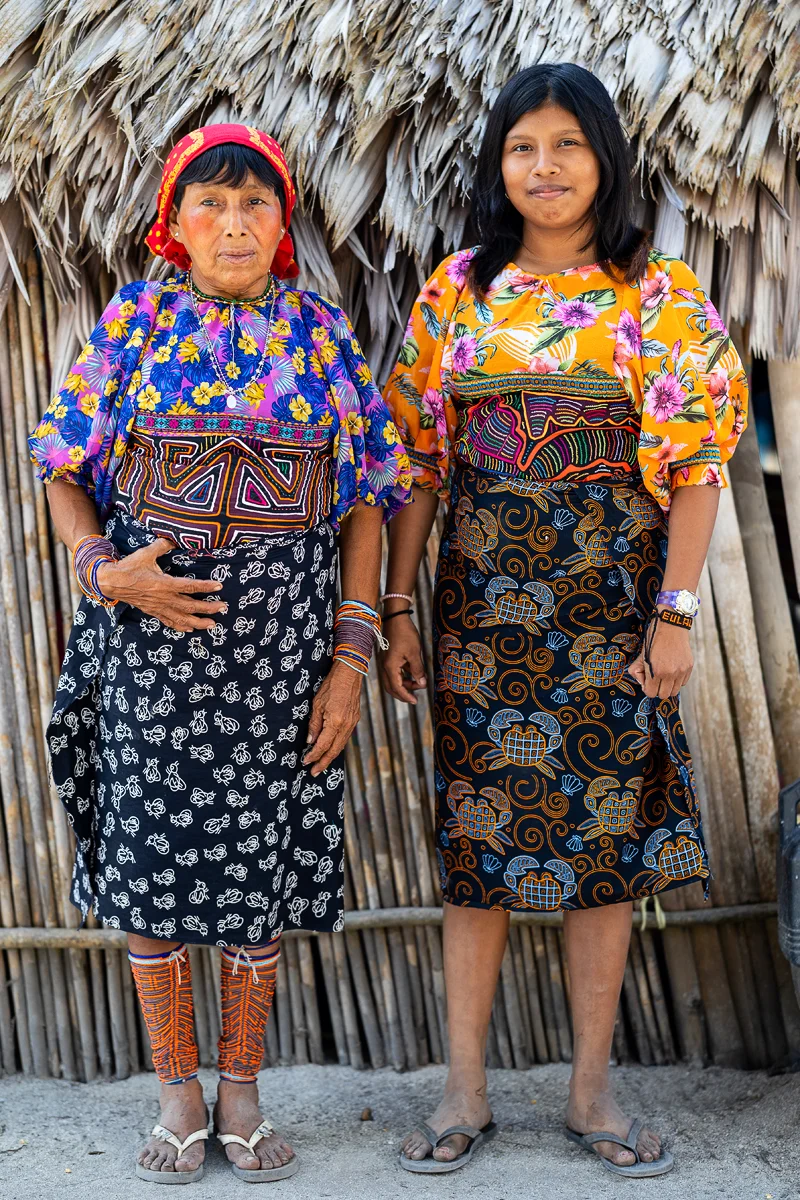
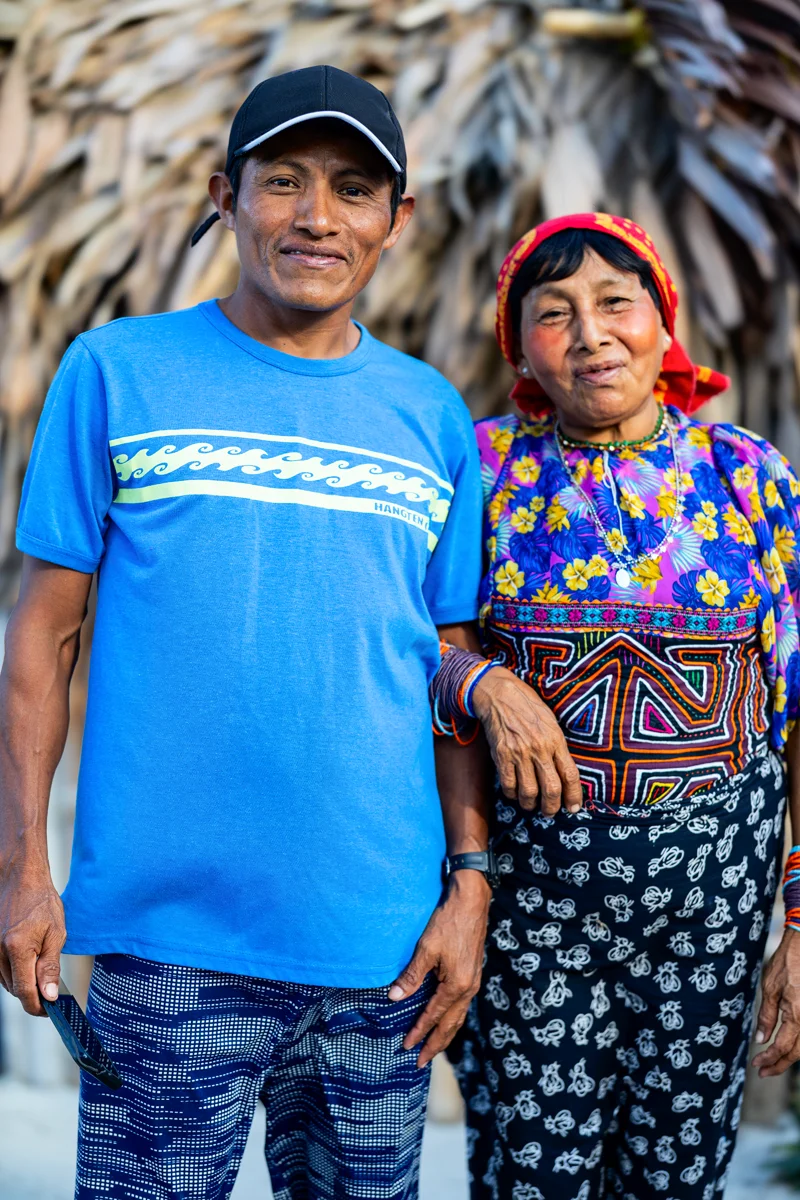
The Guna are an Indigenous people of Panama, famed for their fierce autonomy, vibrant culture, and matriarchal customs. A visit to one of the Guna villages is a rare chance to see their way of life up close.
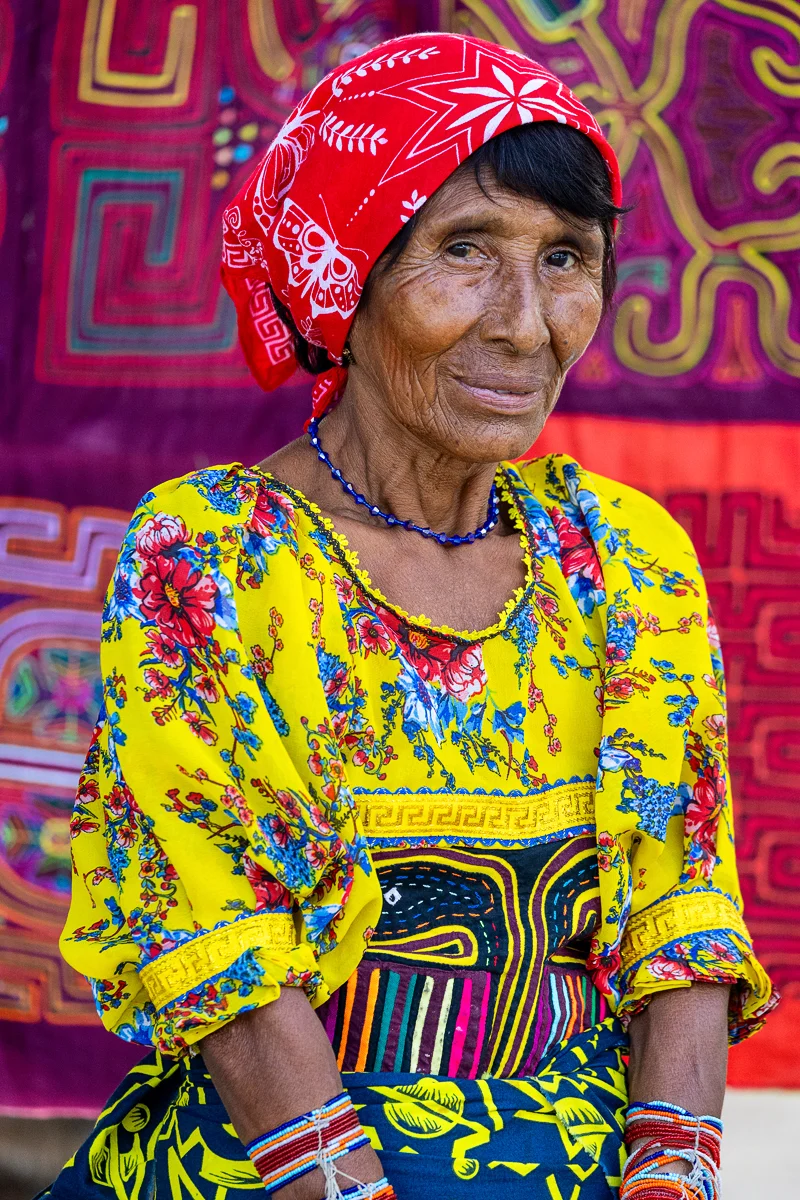

Sailing through the outer islands, you’ll pass small Guna communities where women in colorful mola blouses and wrapped skirts go about their day. These are authentic living villages, not cultural shows.
Meet Prado, the Master Mola Maker
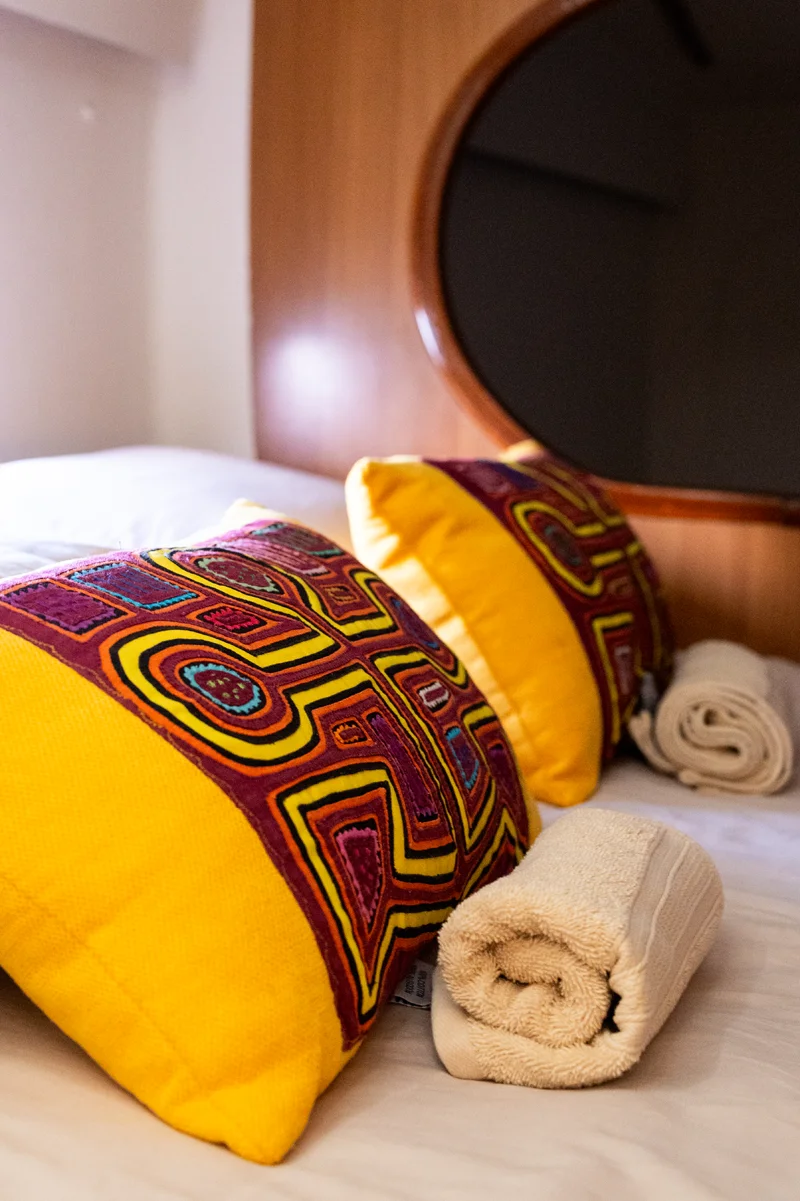
Molas are the textile art of the Guna people: multi-layered cotton panels sewn using a reverse-appliqué technique, in which layers of fabric are stitched together, and portions are cut away to reveal the colors beneath. Historically originating from body painting traditions, their vibrant designs tell stories of Guna legends and the natural world around us. The geometric compositions are intricate, and no two are alike.
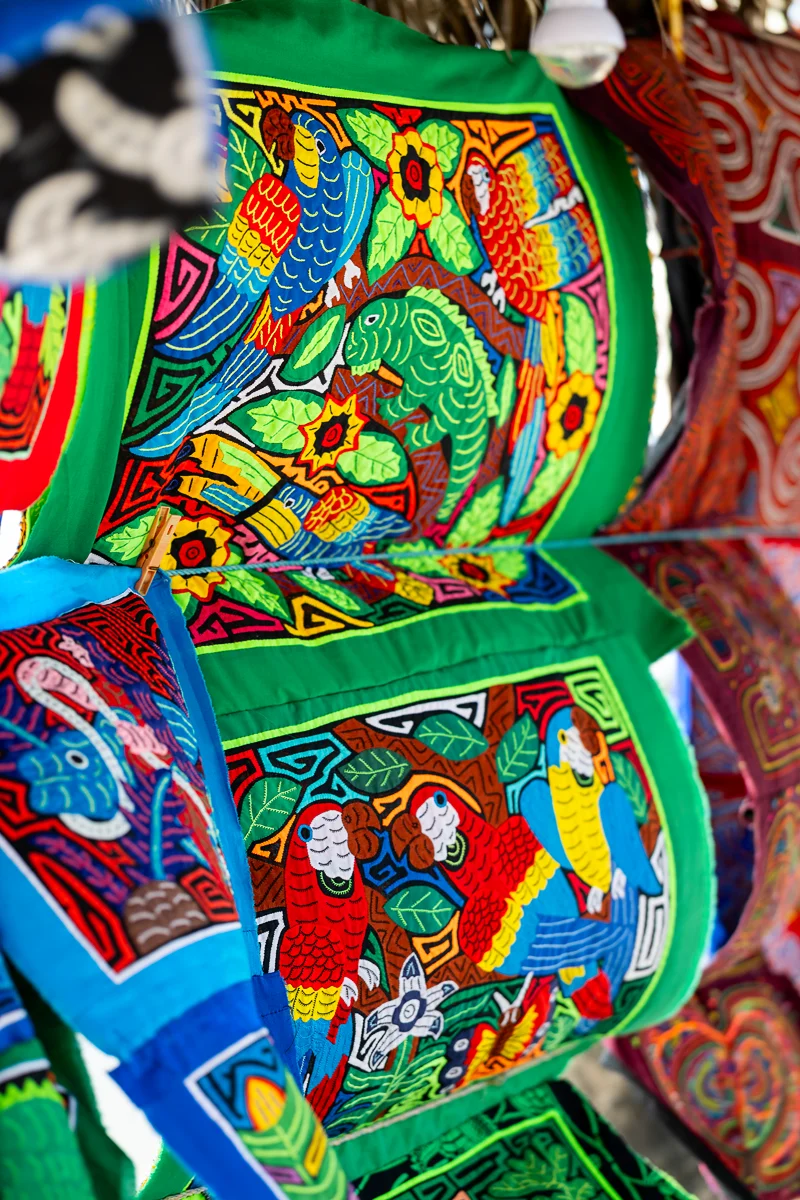
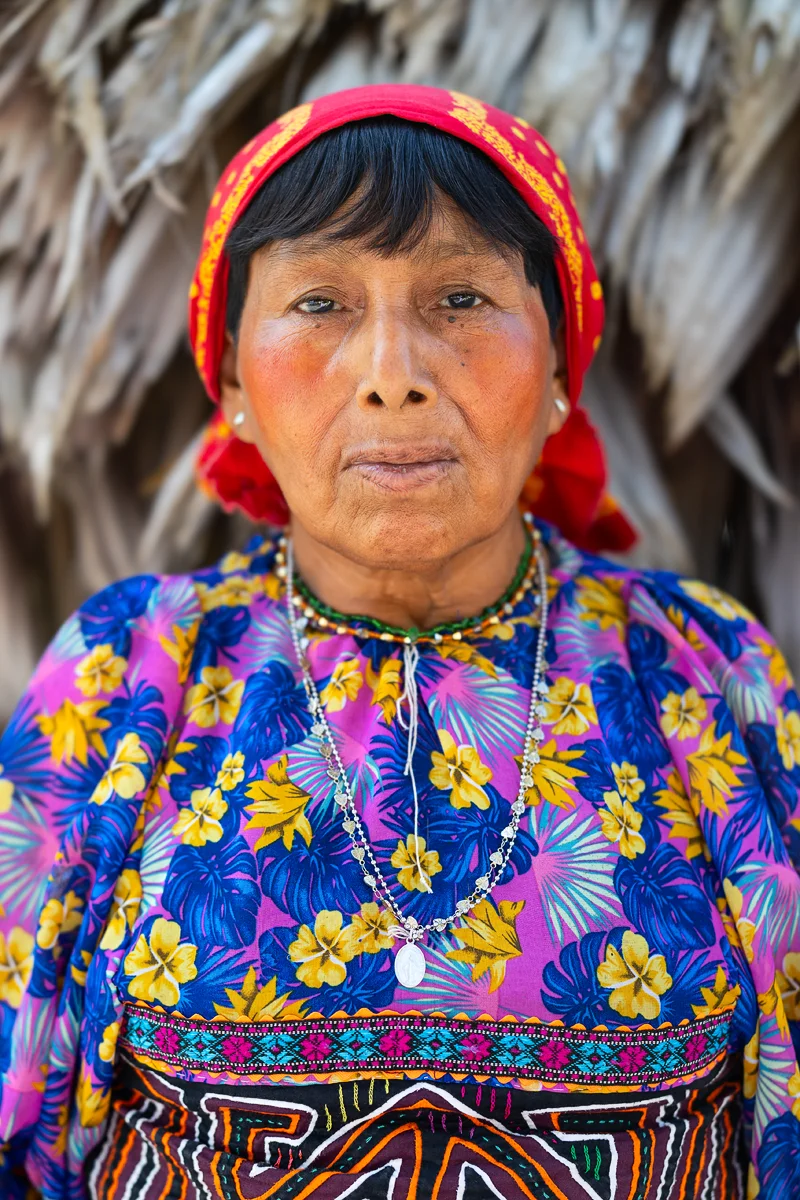
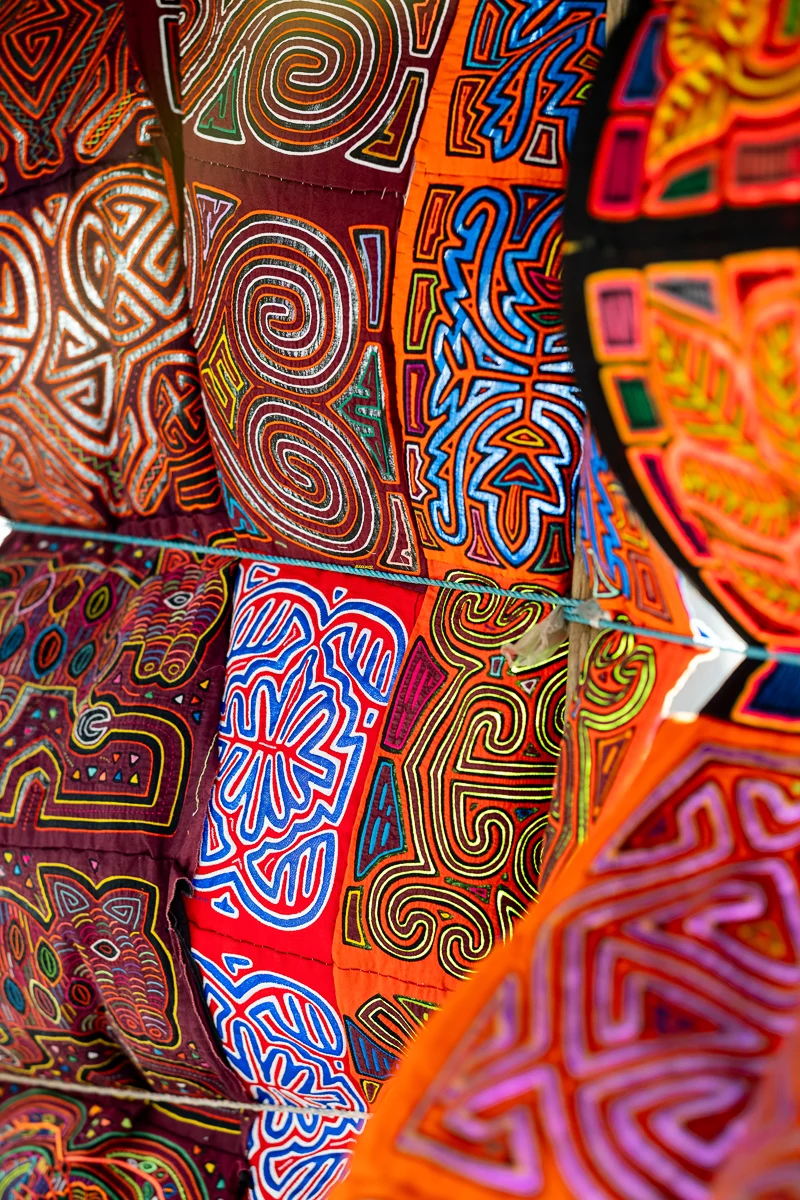
Prado is one of the few prominent male mola stitchers in Guna Yala, and his work is among the most sought-after in the archipelago. He lives with his family on an island in the Dutch Cays📍, and your captain can bring you to visit. We came away with a few pieces to take home as a souvenir.
Enjoy a Beach BBQ Lunch
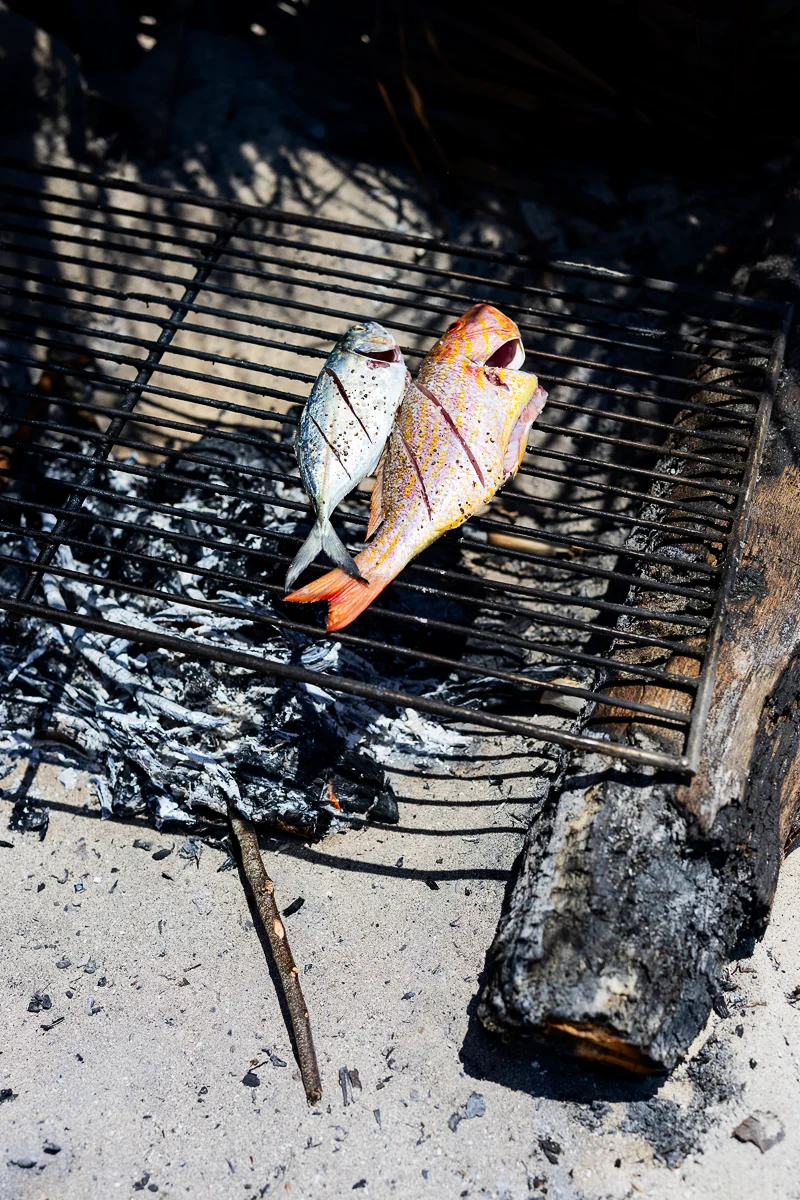
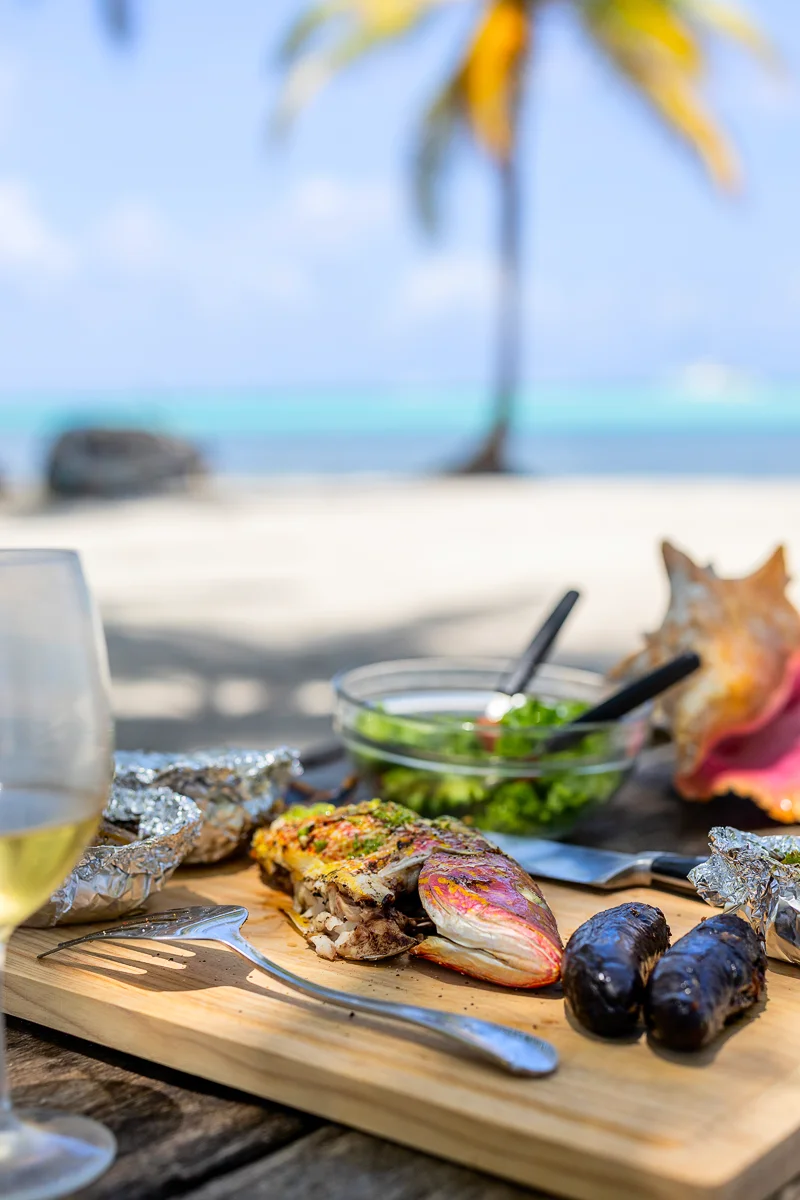
A beach BBQ is a quintessential part of the San Blas Islands experience. Freshly caught whole fish, baked potatoes, fresh salad, and coconut, all served under tall palm trees on a small tropical island beach. It’s as simple and as good as it sounds.
Explore the Ordupuquip Cays
The Ordupuquip Cays sit just 30 minutes under sail from Corazón de Jesús Airport (CZJ), making them a natural first or last stop on a sailing charter. The area is famed for pristine white-sand beaches and vibrant, easily accessible coral reefs.
Isla Ogopsibudup (Coco Blanco)📍 has one of the best beaches in the San Blas Islands: a long stretch of soft white sand that few visitors reach.
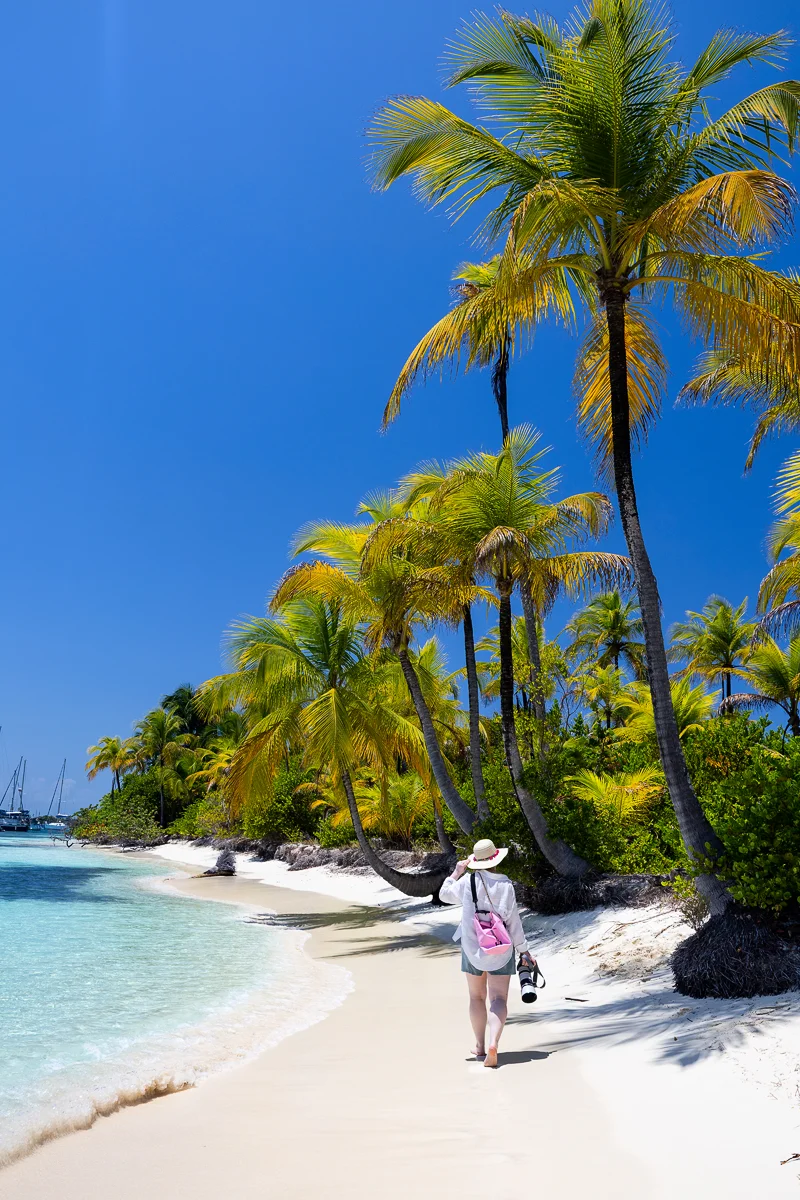
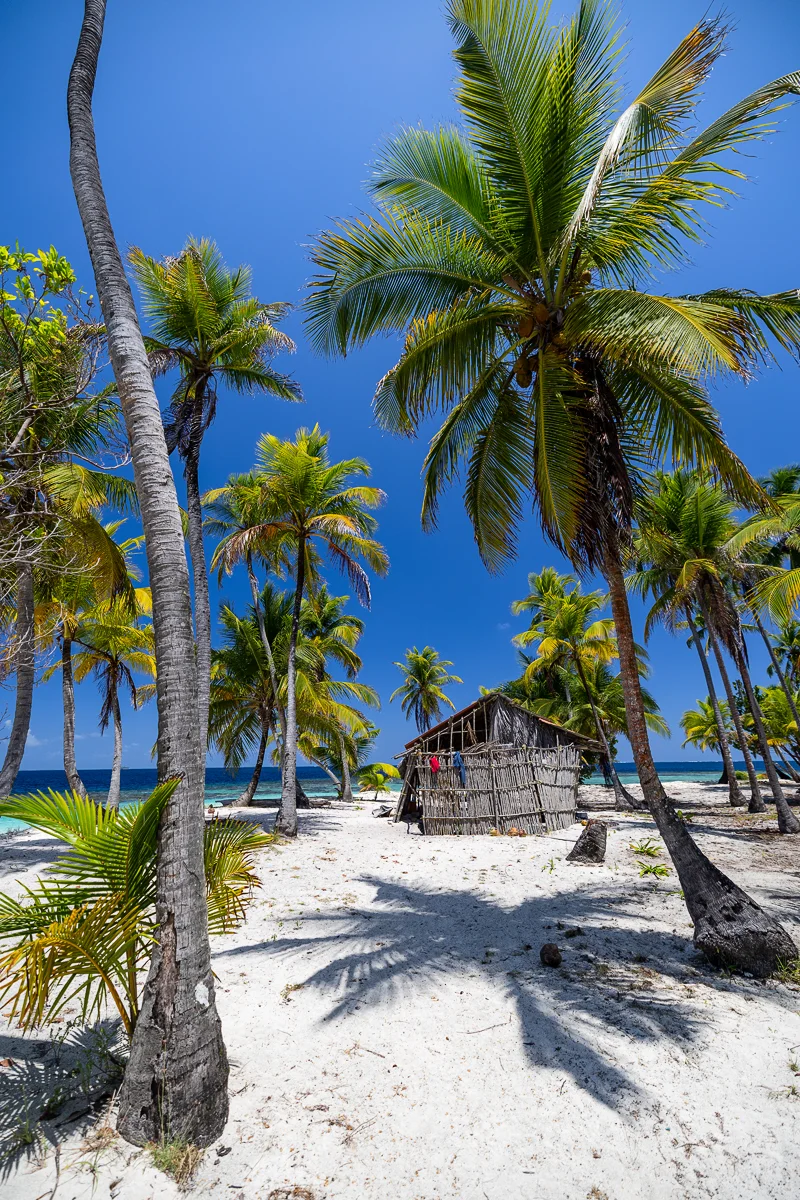
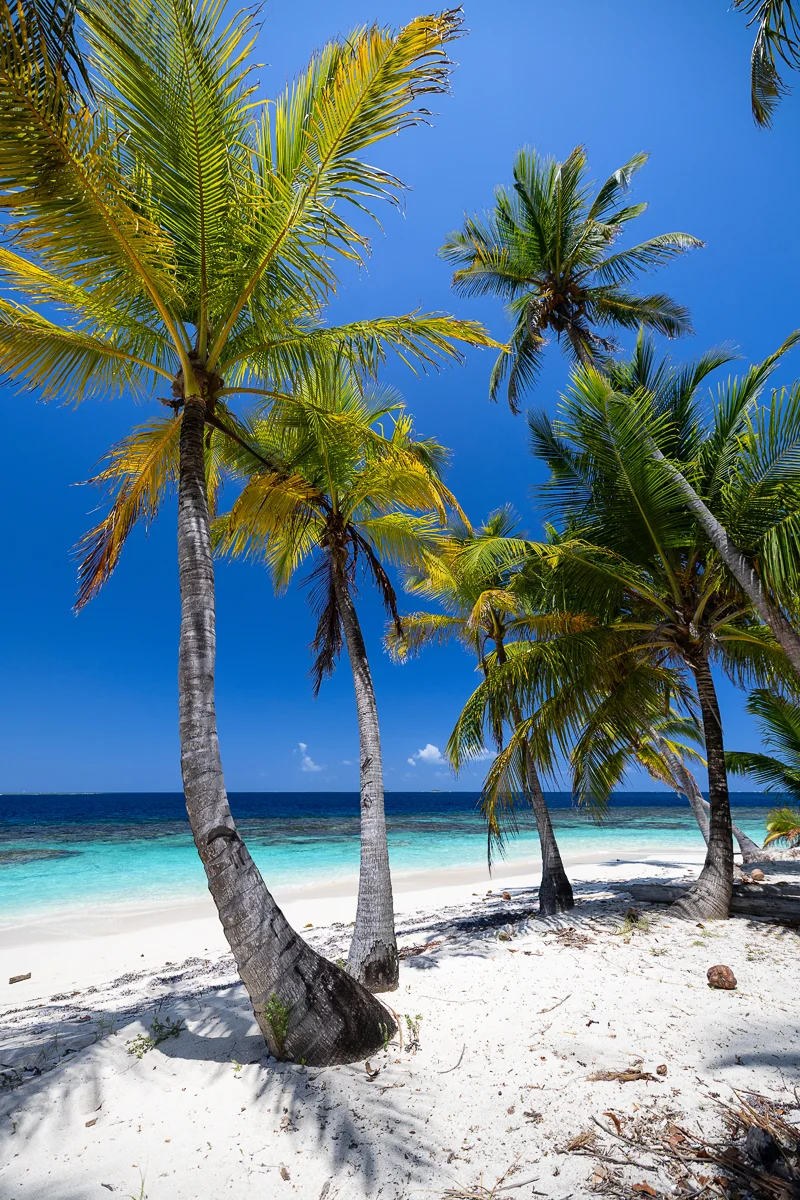
Isla Waisaladup📍 is tiny, with a circle of bright white sand, a cluster of palm trees, and a reef where we spotted nurse sharks and stingrays. It’s nicknamed “Emoji Island” for its striking resemblance to the desert island emoji 🏝️. The sun rises directly behind the island, making it a perfect sunrise spot from the anchorage.
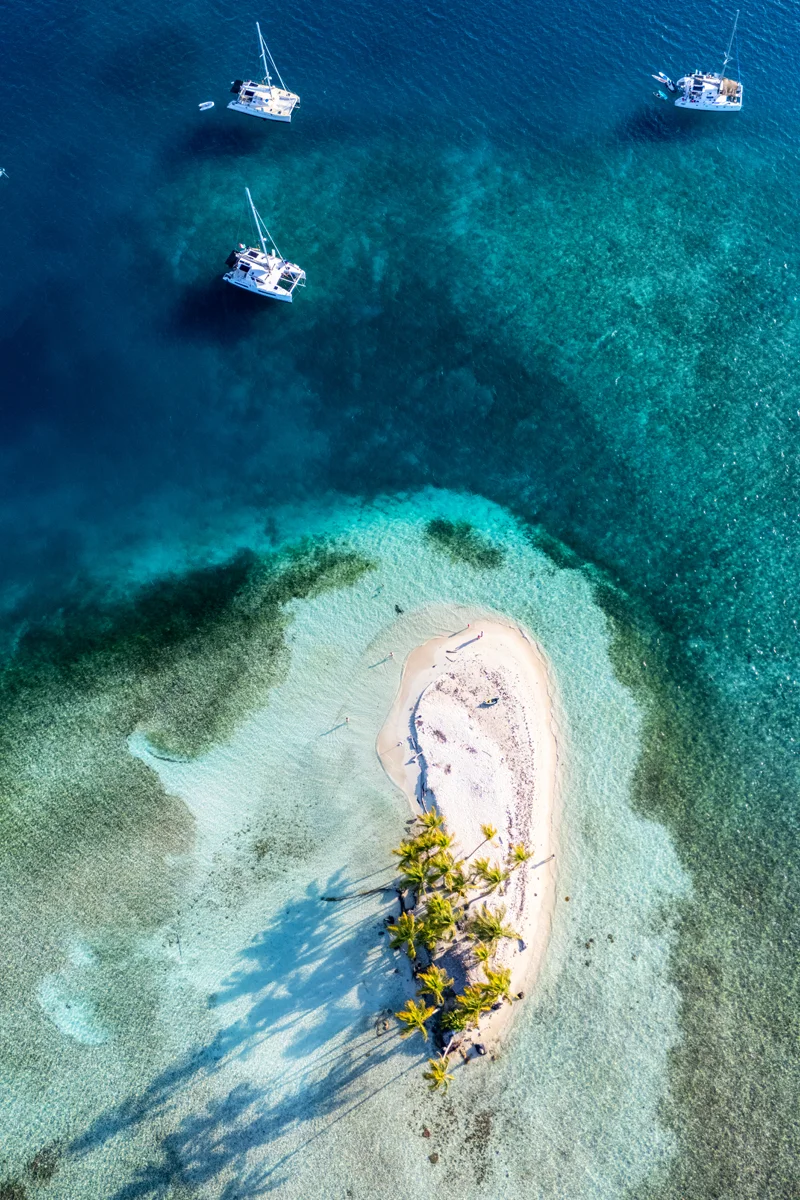
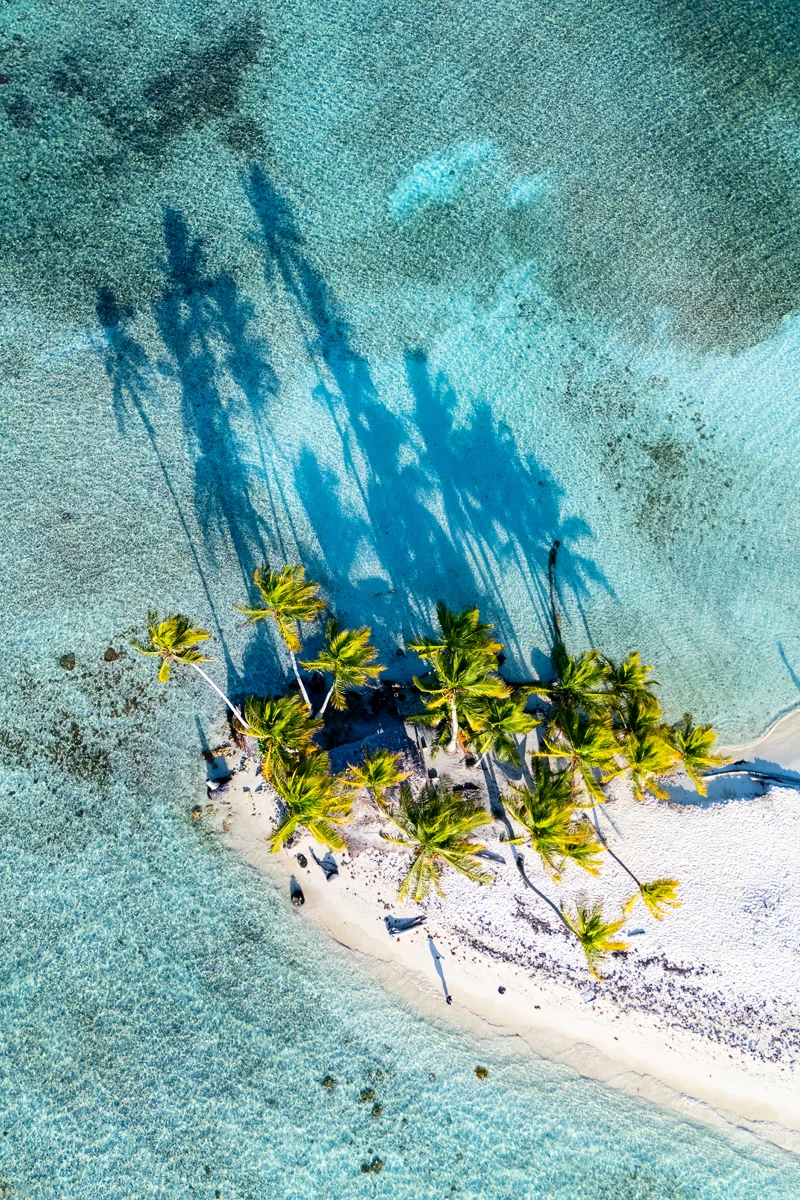
Isla Flores📍 is a small uninhabited island with a frangipani tree and many conch shells scattered along the beach.

Visit Narganá and Corazón de Jesús
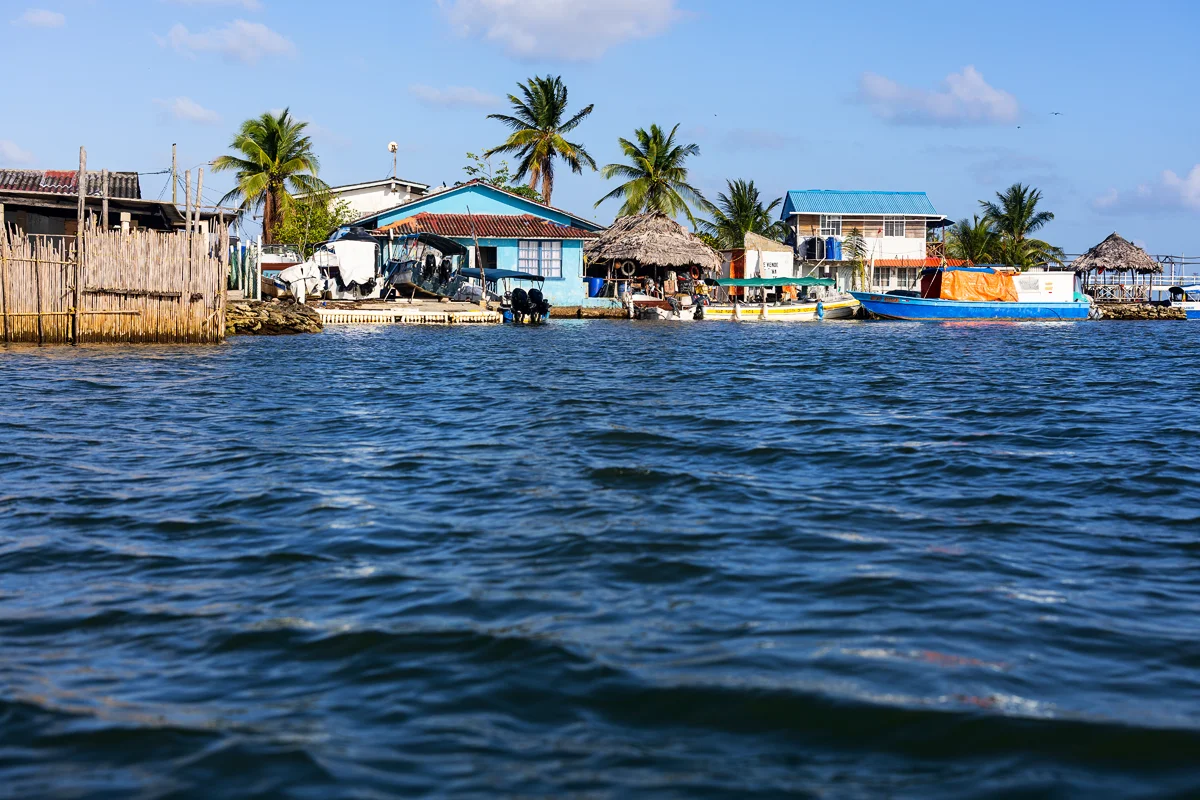
Narganá📍 is the administrative and cultural center of Guna Yala, and the region’s unofficial capital. Corazón de Jesús📍, connected to it by a footbridge, is worth the walk across. Since both islands are close to Corazón de Jesús Airport (CZJ), this is a natural last stop before your flight out.
Take a Dinghy Up Rio Diablo
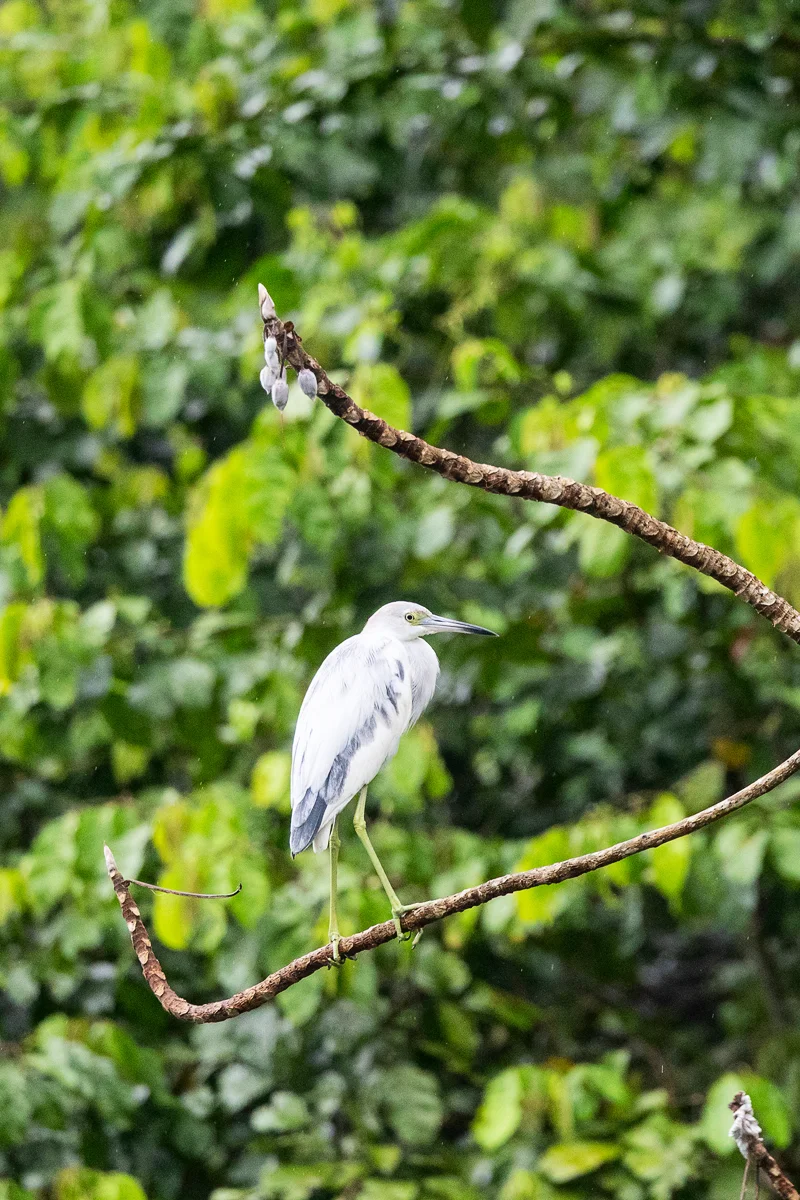
Rio Diablo📍 is a jungle-lined river close to Narganá, and it’s best explored by dinghy. The banks are dense with palm and banana trees, and the bird life is active: kingfishers, great egrets, and herons are common. You’ll likely cross paths with locals in traditional ulus, the wooden canoes the Guna use for fishing and transport.
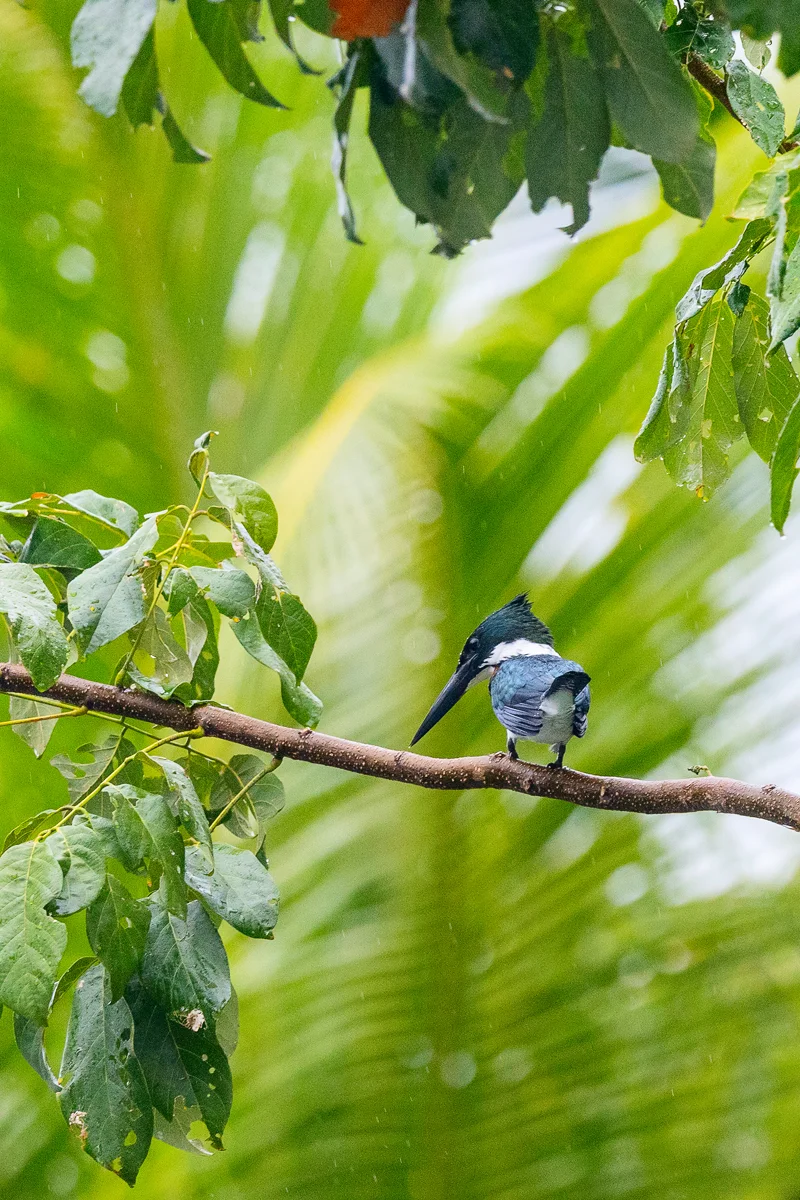
Along the riverbank sits the Rio Diablo Cemetery, a sacred Guna burial ground. It’s a highly sensitive site and should be treated with respect.
Final Thoughts
The San Blas Islands are among the most unique destinations in the world. What makes it remarkable is precisely what it doesn’t have: no large resorts, no cruise ports, no high-rise buildings, no coastal development. What it does have: untouched nature, pristine beaches, low-density tourism, and a living indigenous culture – is increasingly hard to find anywhere. We’d go back tomorrow if we could.

Frequently Asked Questions

