The Perfect 2-Week Panama Itinerary: Islands, Jungle & City
Panama packs more variety into a small footprint than almost anywhere we’ve traveled. Need help crafting the perfect Panama itinerary? This 14-day route pairs the famous highlights with the quieter, under-the-radar stops most visitors skip. In a single trip, you get colonial history, off-grid Caribbean islands, wildlife-rich rainforest, and cool mountain hikes. Two weeks is enough to enjoy it all without rushing.
This Panama itinerary runs as a loop from Panama City, using short domestic flights to connect between regions.
At A Glance
Best Time to Visit
Panama is a year-round destination. Located just outside the hurricane belt, the country experiences consistently warm tropical temperatures between 28°C and 32°C (82°F to 90°F) no matter the month.
The country has two seasons. The dry season runs from mid-December to April and is the most popular time to visit, with sunny, breezy days and lower humidity. It’s the ideal time for island-hopping in the San Blas Islands or hiking in El Valle de Antón. The green season, from May to November, brings fewer crowds and lush scenery. Days usually start bright, then deliver a heavy, refreshing afternoon shower before clearing again.
Bocas del Toro plays by its own rules. It has no true dry season and sees rain year-round, but it rarely pours all day. Showers tend to pass quickly before the sun returns. Historically, the wettest months are July and the period from October through December.
Panama Itinerary Overview
Panama City
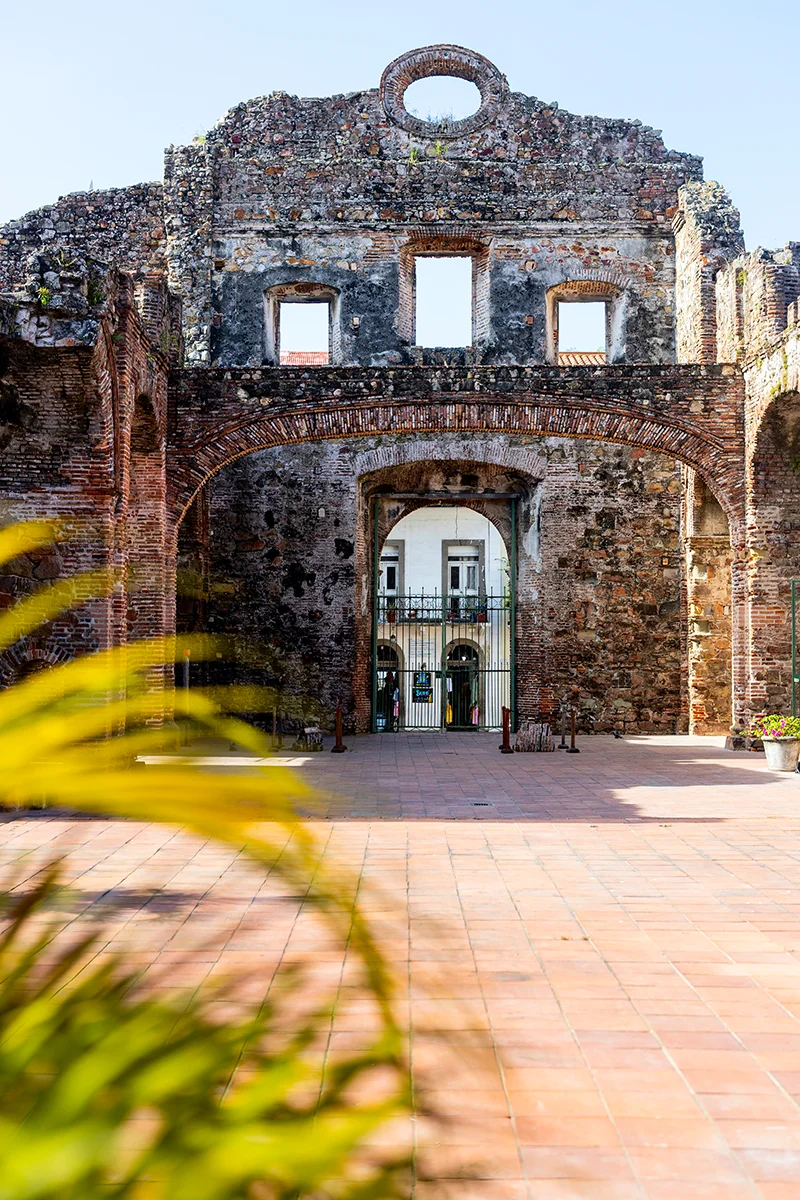
The best area to stay in Panama City is Casco Viejo, the historic district and the heart of the city’s culture, architecture, and nightlife. It was founded in 1673 after the original settlement, Panama Viejo, was destroyed by the pirate Henry Morgan in 1671. To protect the settlement from future attacks, the new city was built on a rocky, easily defensible peninsula about 8 km (5 miles) southwest of the original site.
Casco Viejo is also commonly known as Casco Antiguo or San Felipe. All names are used interchangeably by locals and visitors to refer to this historic district in Panama City.
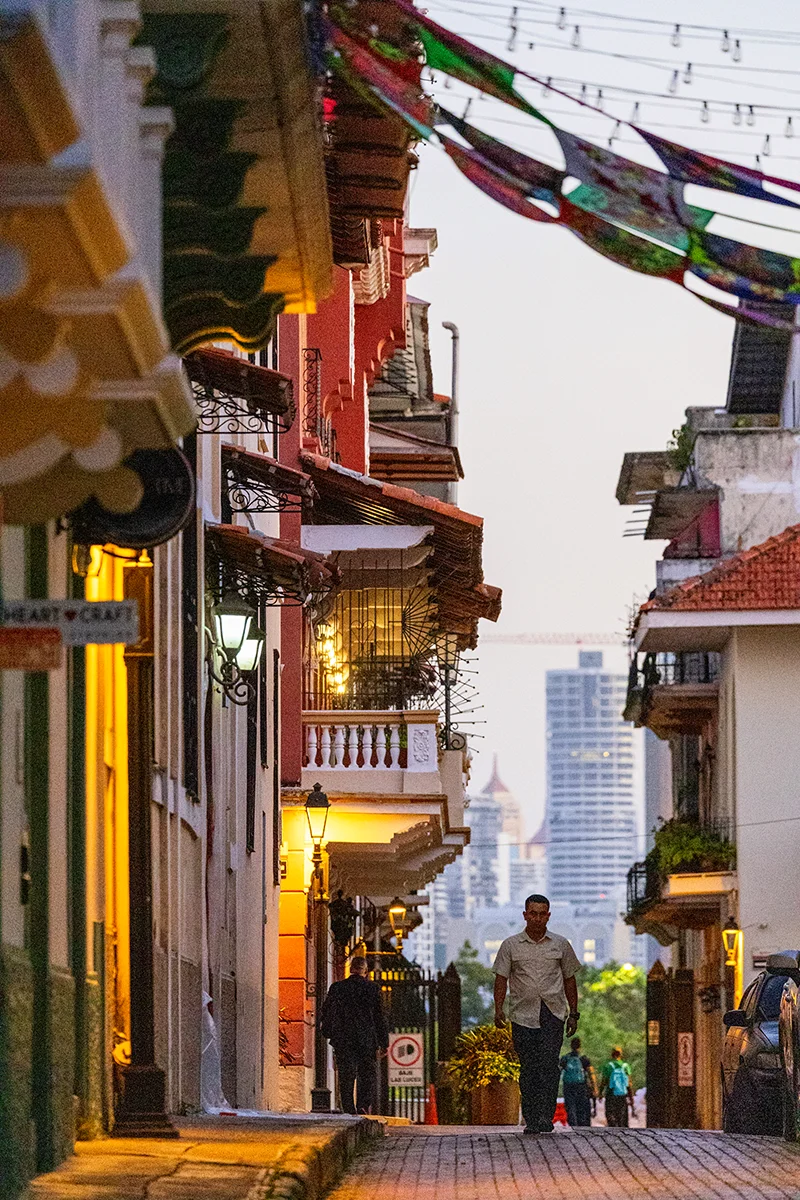
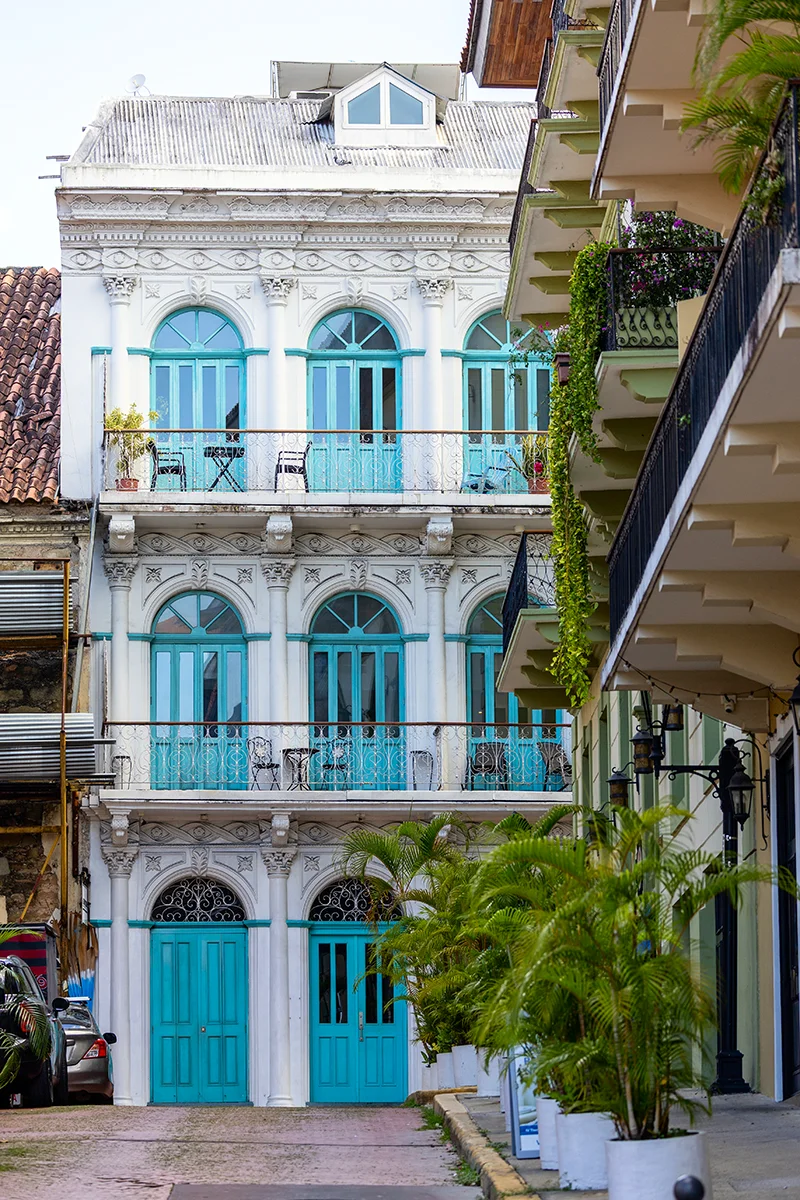
Today, this UNESCO World Heritage site features narrow brick streets, colonial architecture, and the city’s highest concentration of boutique hotels, charming shops, and trendy rooftop bars.
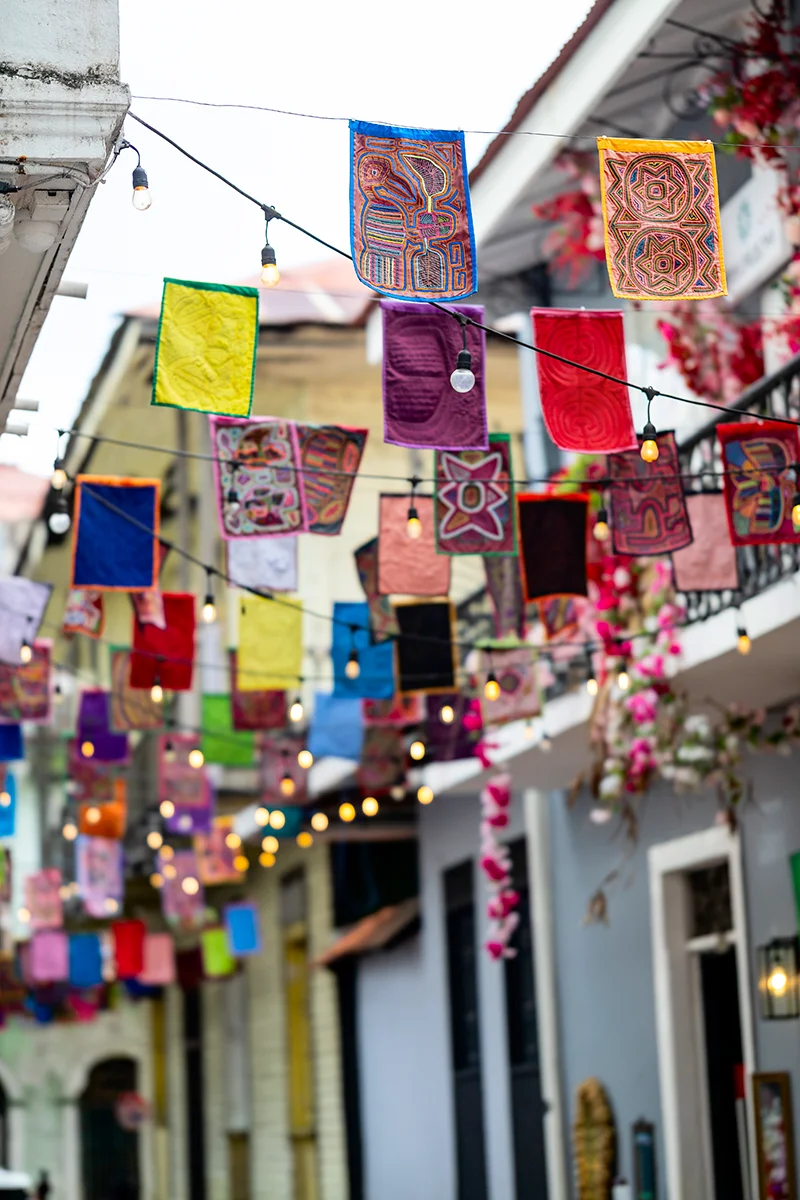
Getting there: 30-minute drive from Tocumen International Airport (PTY), the main international gateway for visitors to Panama.
Where to stay:
- La Compañía Casco Antiguo ($$$) – A meticulously restored landmark that spans an entire city block. It’s split into three wings, each honoring a different period of the property’s past: French colonial, Spanish colonial, and American Beaux-Arts. It feels like a museum but runs like a top-tier resort, with a spa, a rooftop pool, and five on-site restaurants and bars.
- Sofitel Legend Casco Viejo ($$$) – French luxury blended seamlessly with Panamanian culture. While most Casco Viejo hotels tuck into the old city streets, the Sofitel Legend sits right on the water, with an infinity pool facing the Pacific and the modern skyline.
- Amarla Boutique Hotel Casco Viejo ($$$) – With only eight rooms, the attention to detail is immensely deeper than at larger properties. The highly curated, ultra-exclusive bohemian aesthetic is heavily elevated, featuring 100% silk Indonesian robes, custom-commissioned Panamanian artwork, and lush indoor greenery that softens the historic stone walls. Amenities are small-scale but premium, centered around their acclaimed signature restaurant, Kaandela. There’s no massive swimming pool, and the historic layout means some standard rooms lack exterior windows, so we recommend booking one of their two suites.
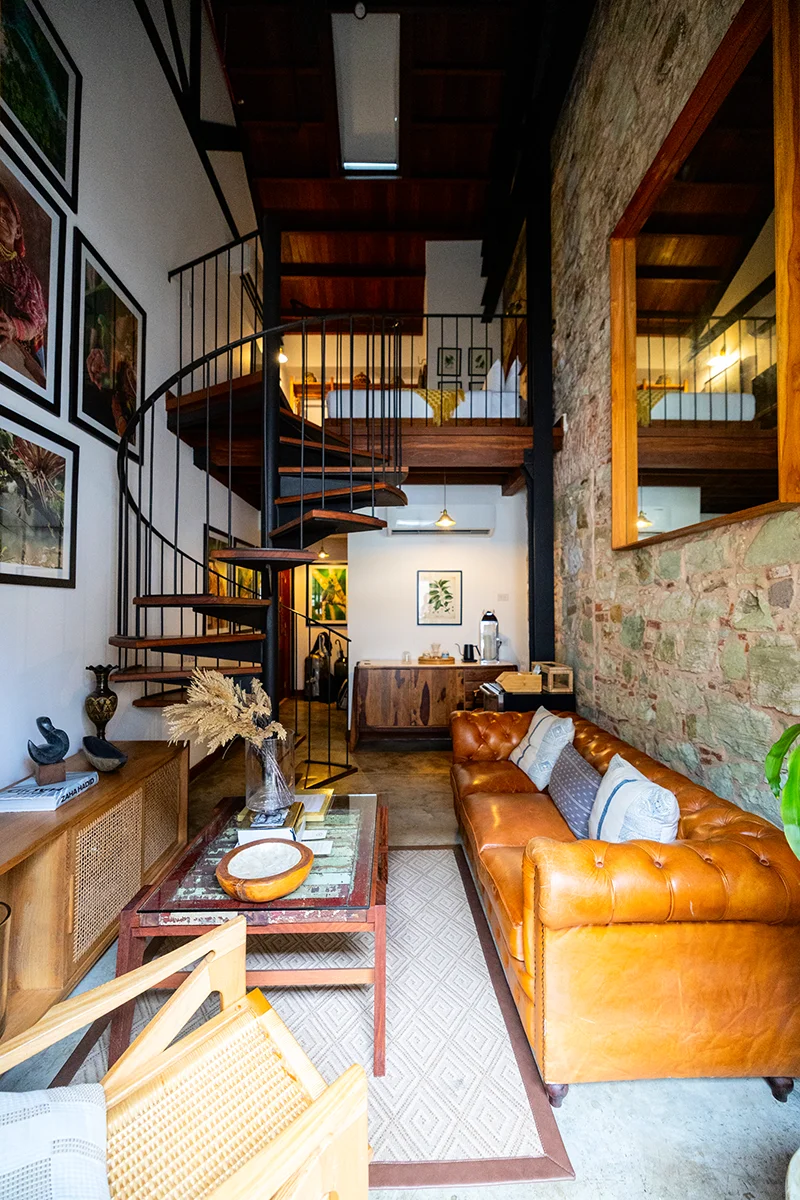
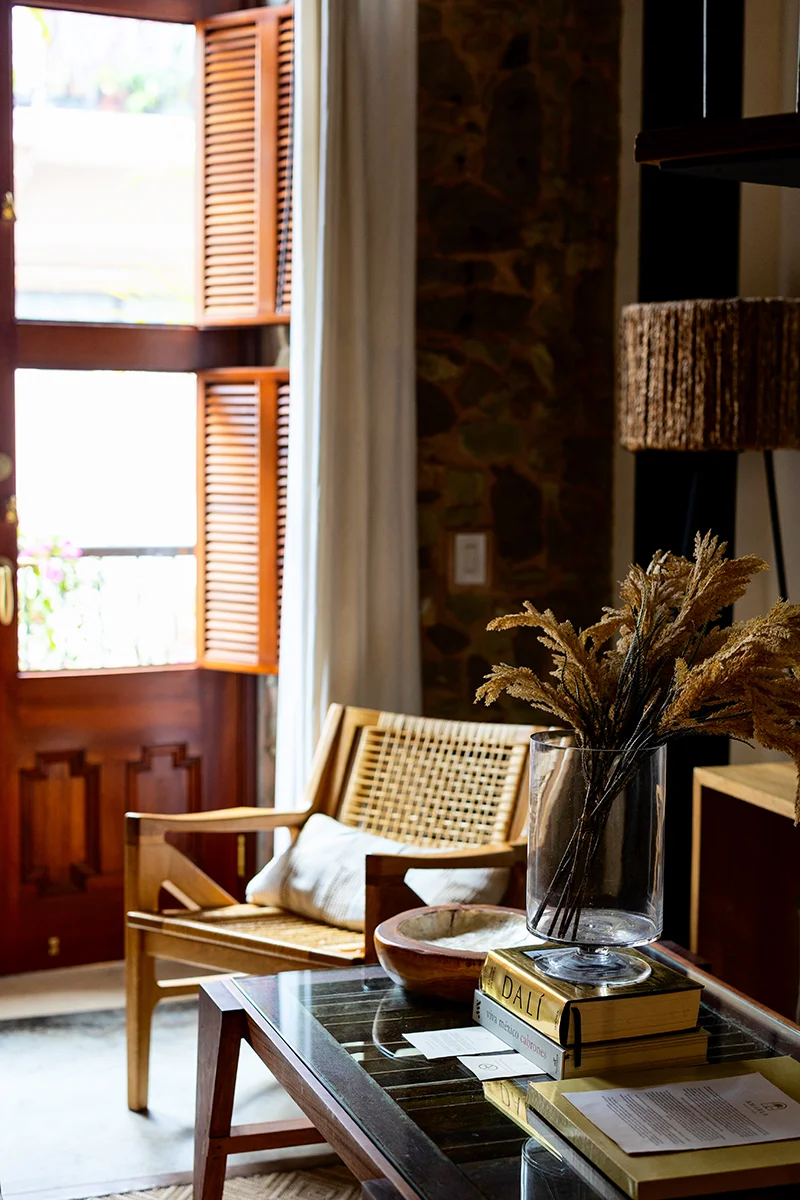
Activities and experiences: explore Casco Viejo, see the Panama Canal, spot wildlife at Metropolitan Natural Park, and take a day trip to an Emberá community.
San Blas Islands
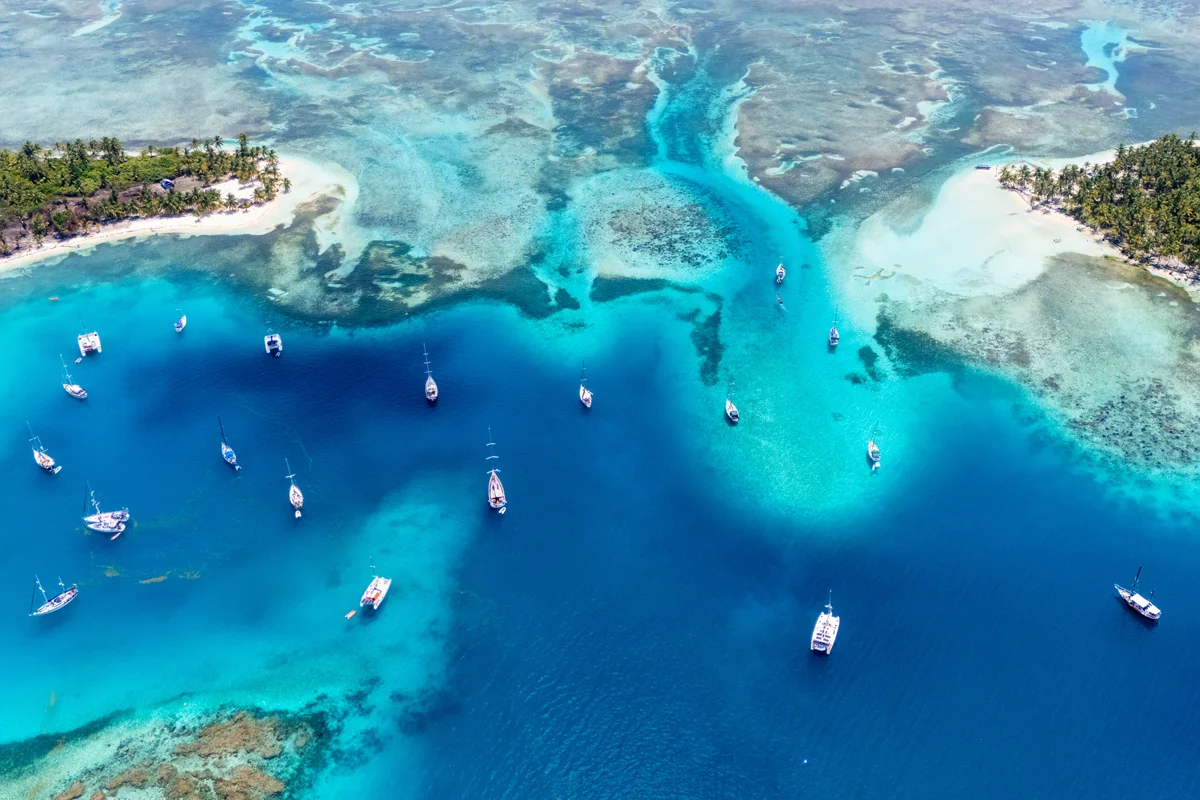
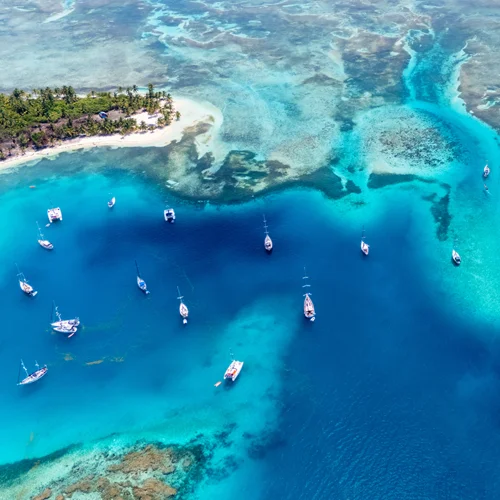
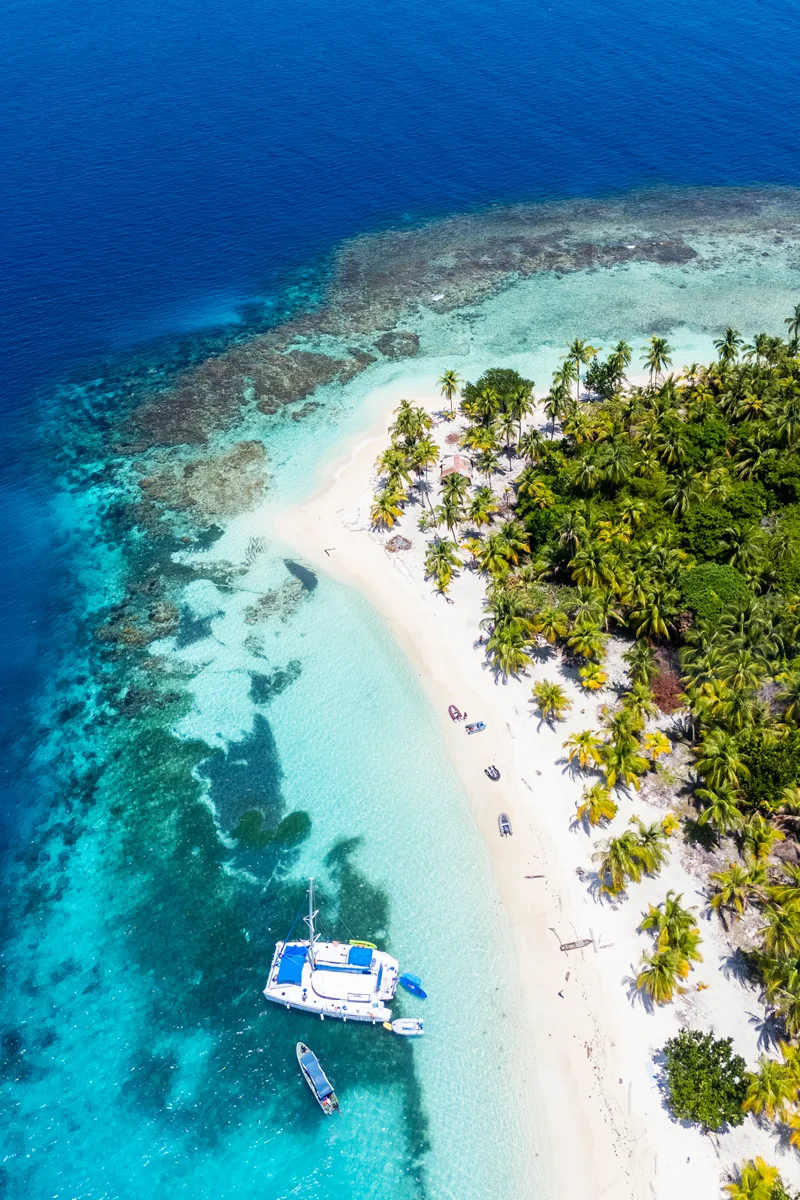
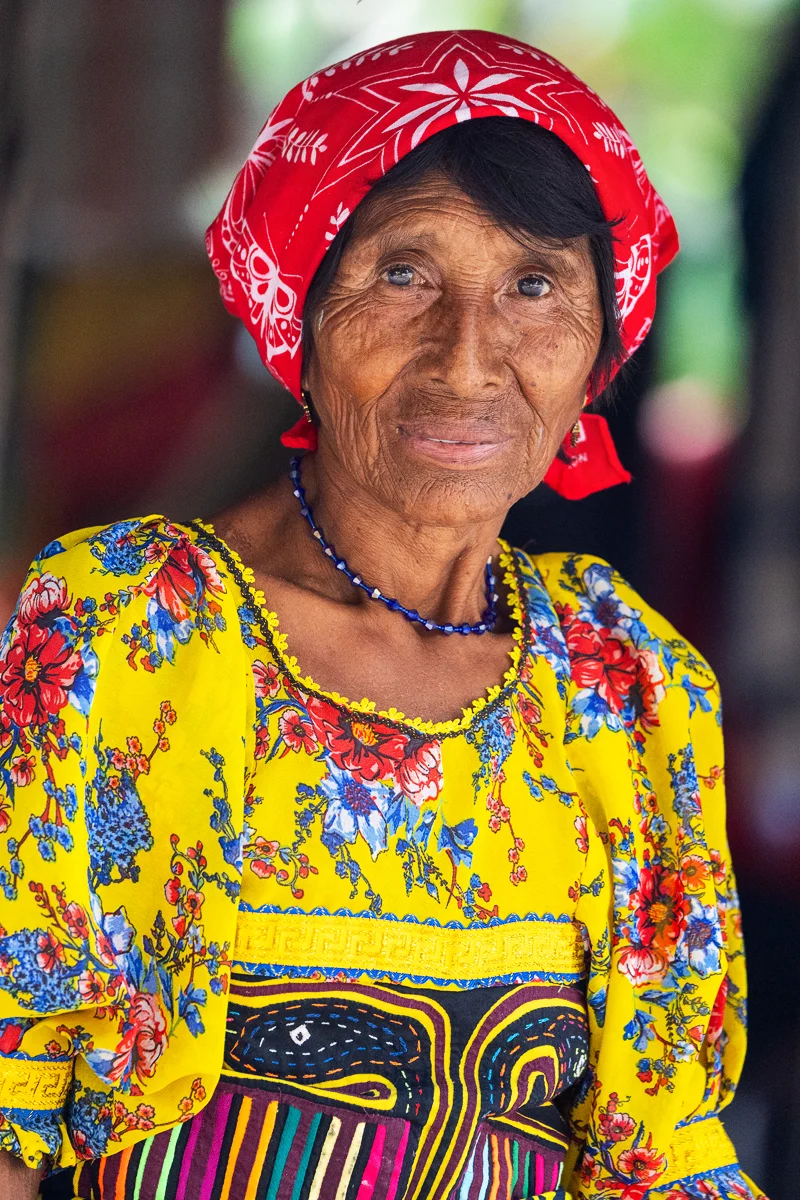
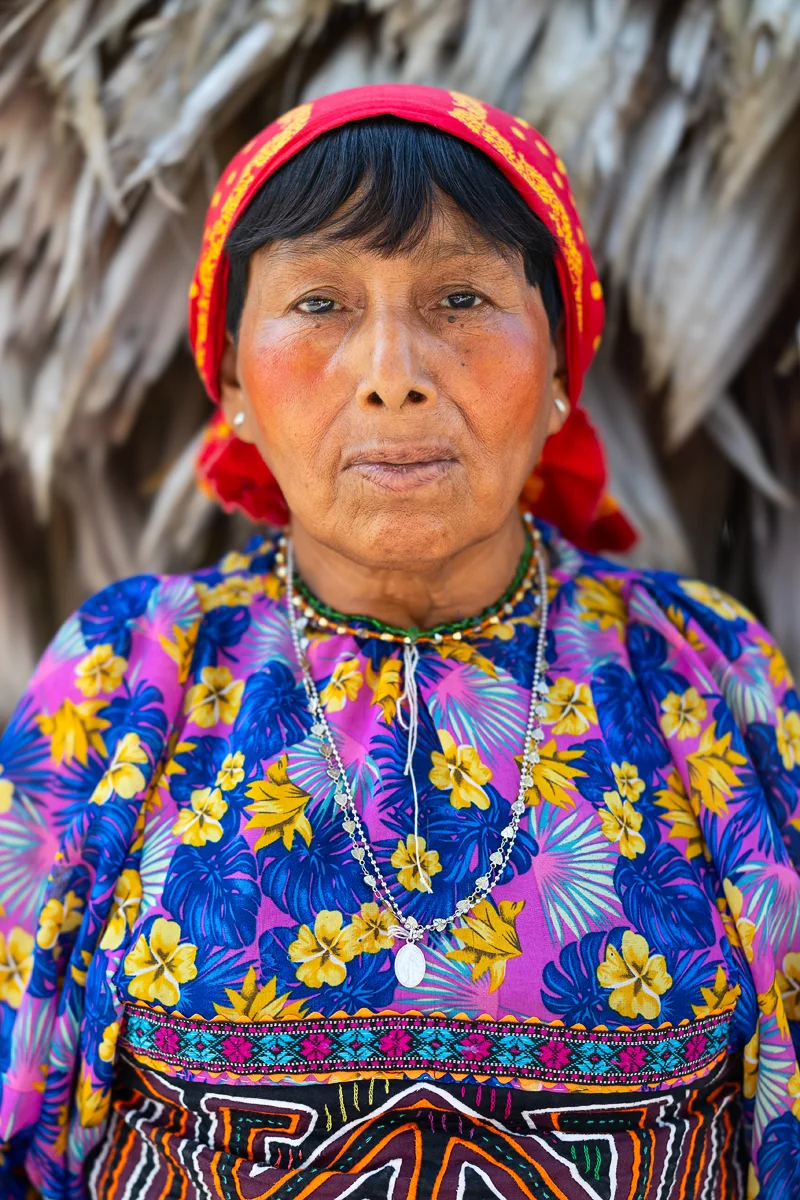
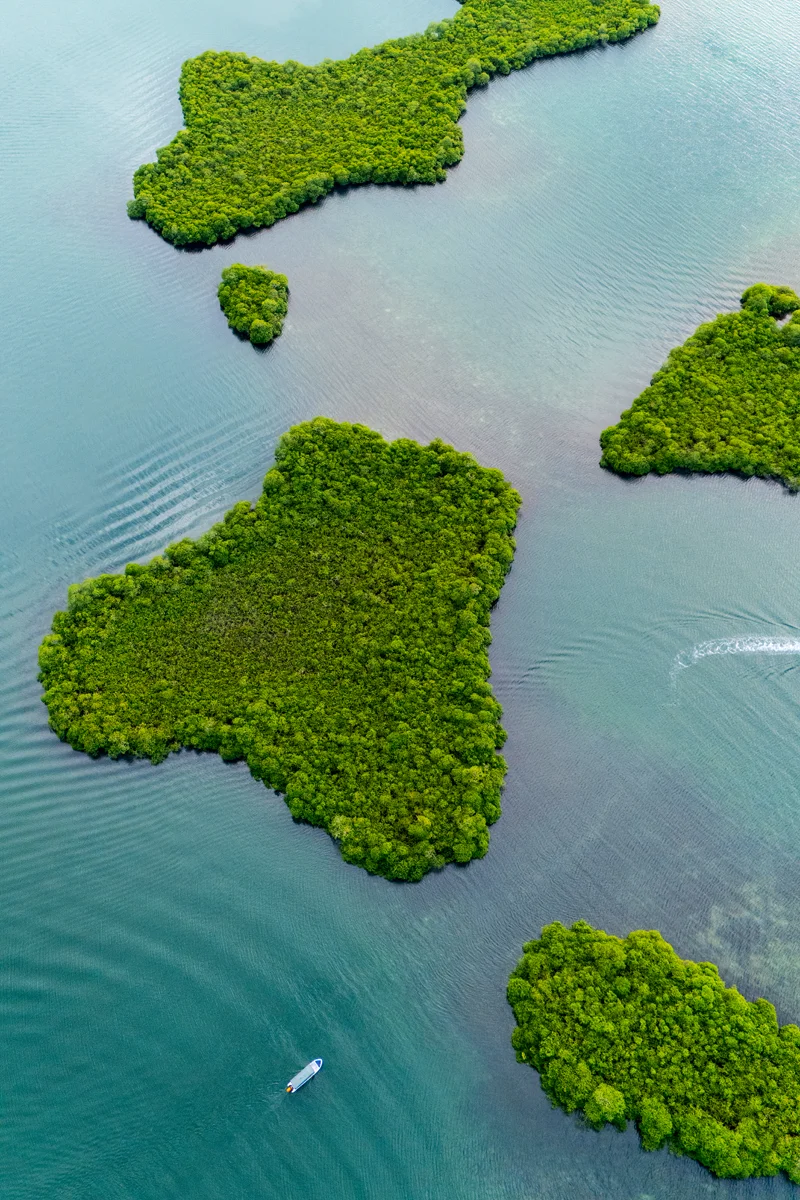
The San Blas Islands, officially known as Guna Yala, are an archipelago of more than 350 islands off Panama’s Caribbean coast, governed by the indigenous Guna. Far from mass tourism, here you’ll find white-sand beaches, clear turquoise water, and vibrant Guna culture.
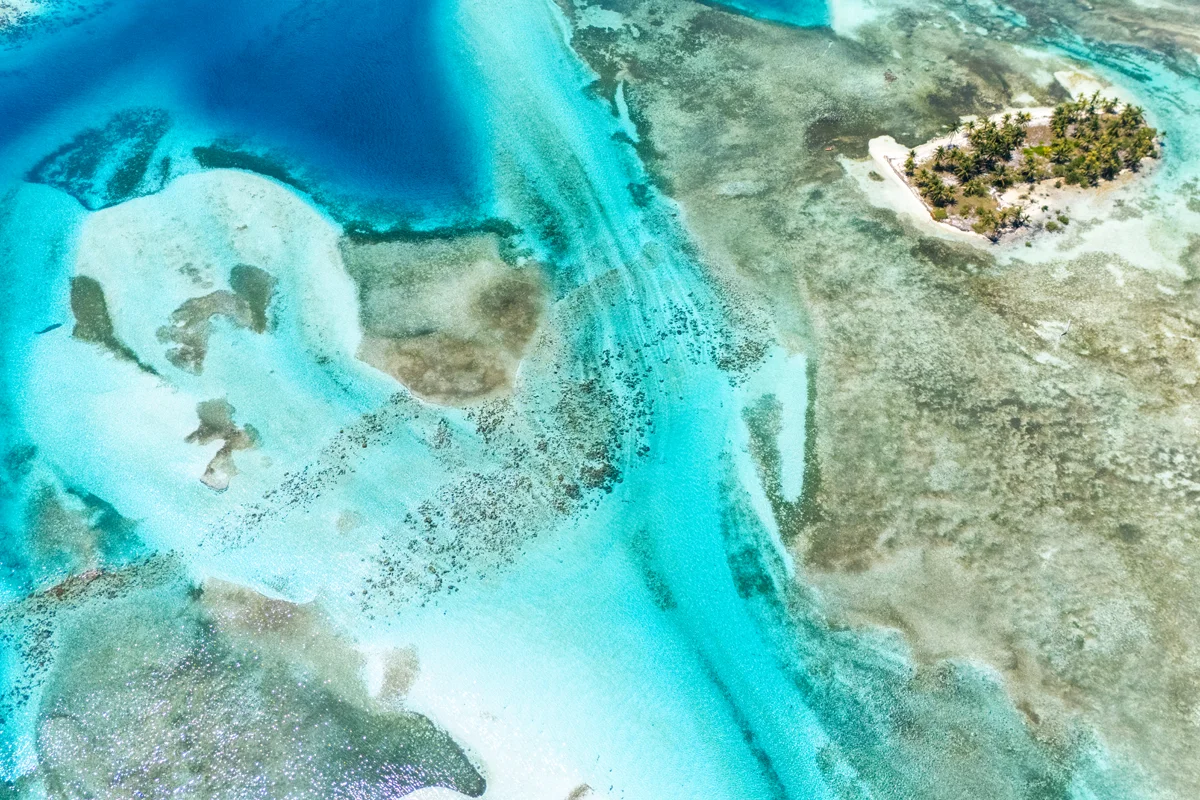
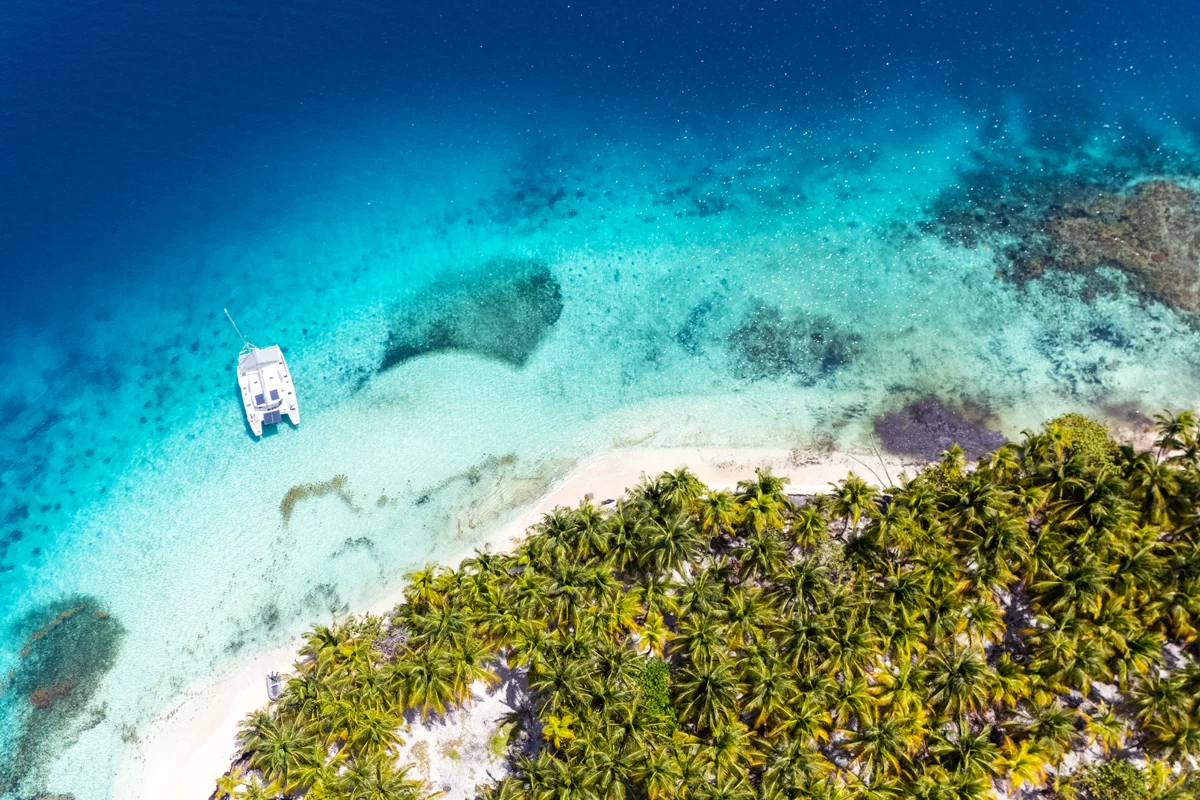
Where to stay: For the best experience, we suggest chartering a catamaran or sailboat and letting the islands come to you.
Getting there: A 45-minute charter flight from Albrook Airport (PAC) in Panama City to Corazón de Jesús Airport (CZJ) is the fast and comfortable option. Alternatively, a popular overland route is roughly a 3-hour drive followed by a 40-minute boat ride.
Activities and experiences: island-hopping, Guna culture, and snorkeling.
Save now, enjoy later
Too busy right now? Save this gem to Pinterest for later.
Bocas del Toro
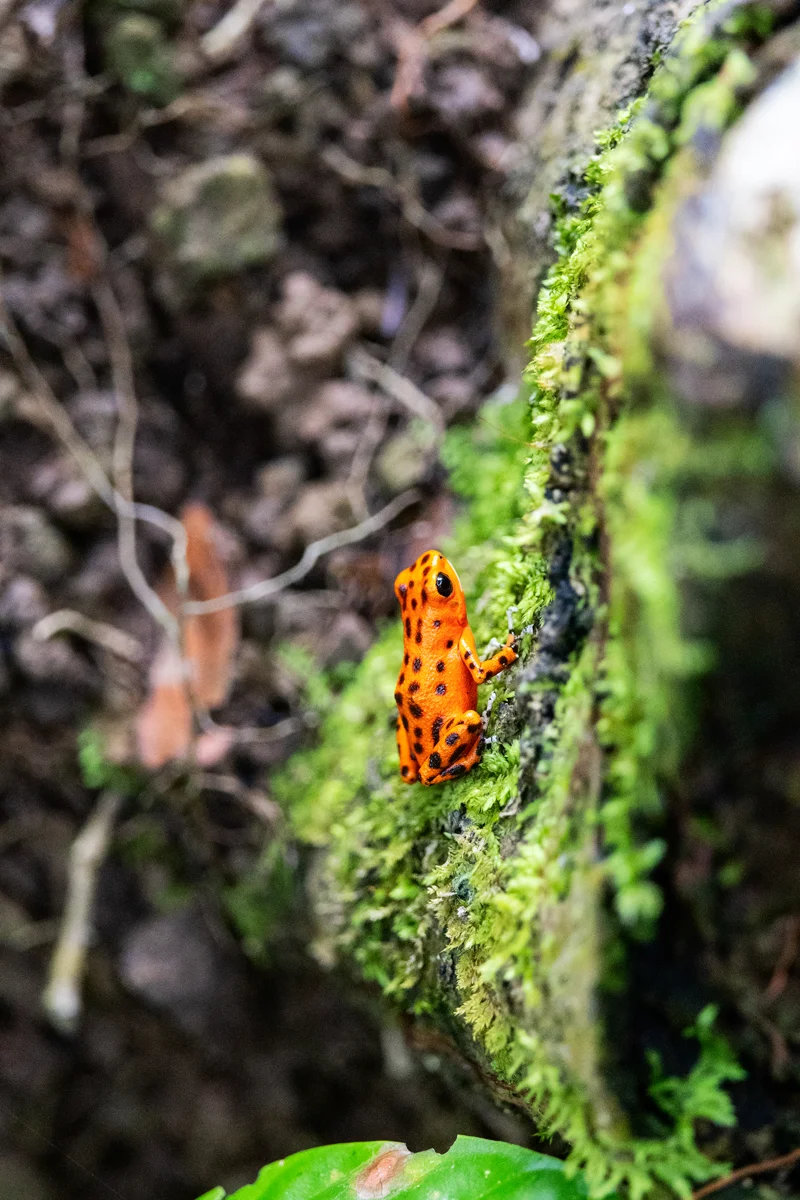
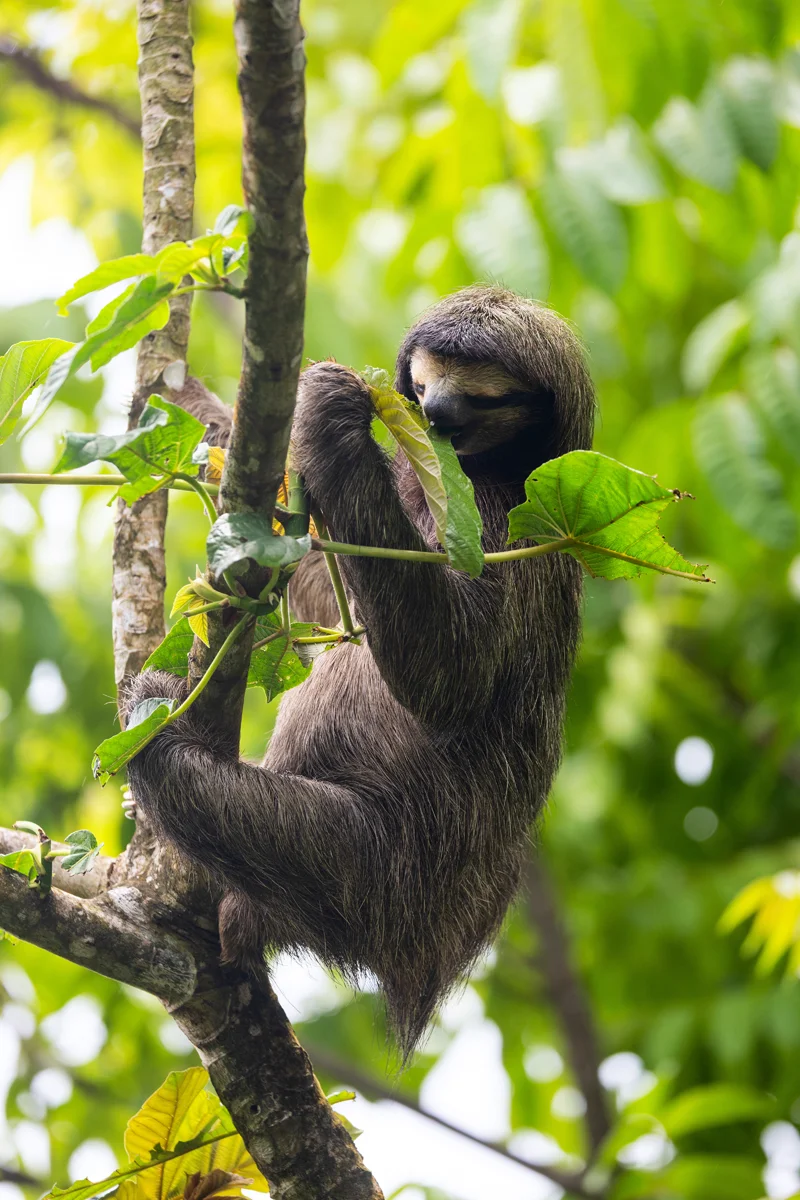
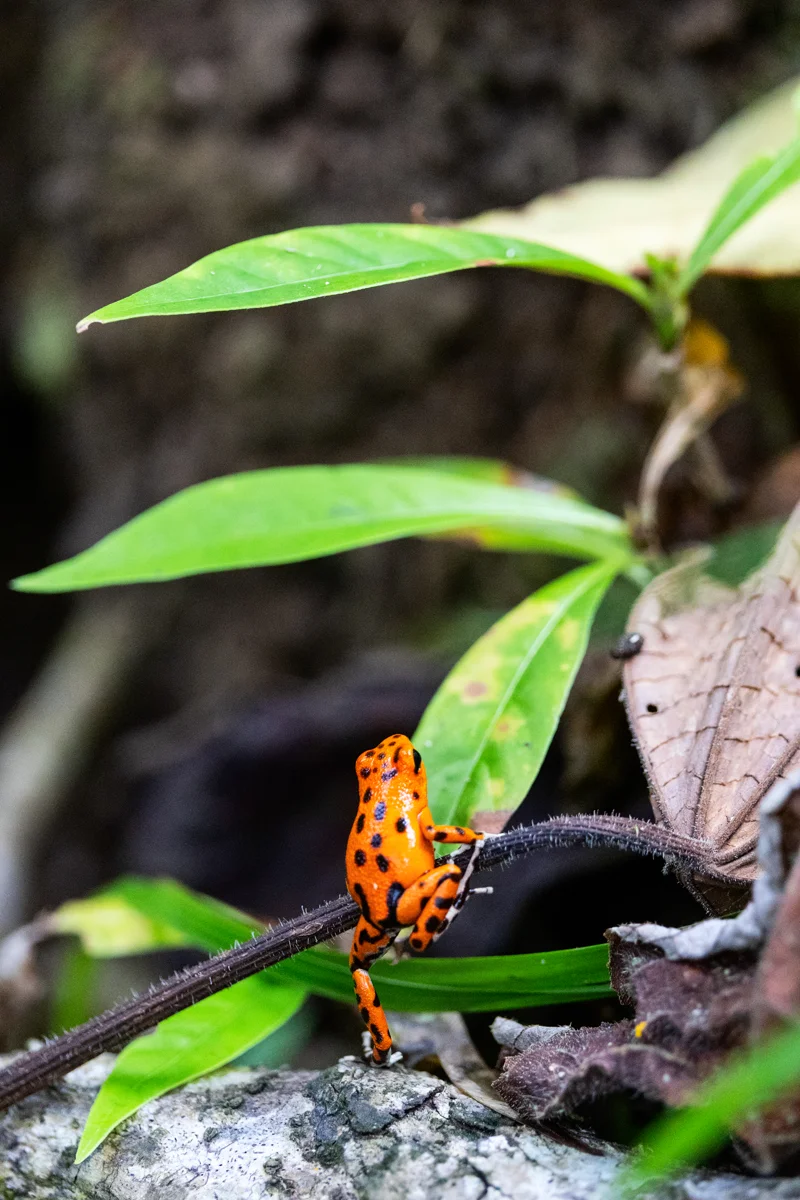
Bocas del Toro is an archipelago off Panama’s Caribbean coast, known for lush rainforest, abundant wildlife, and white-sand beaches. It’s the wildlife highlight of this Panama itinerary, with sloths, monkeys, and red frogs all common here.
Where to stay:
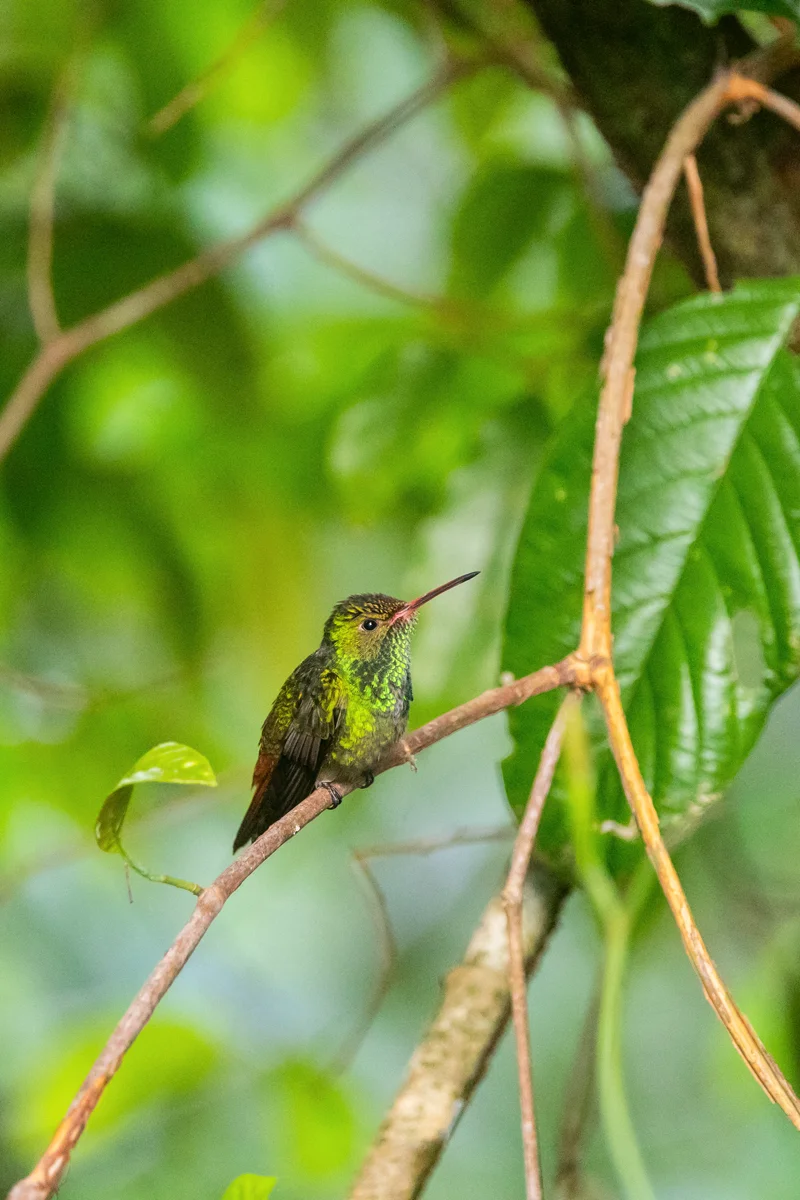
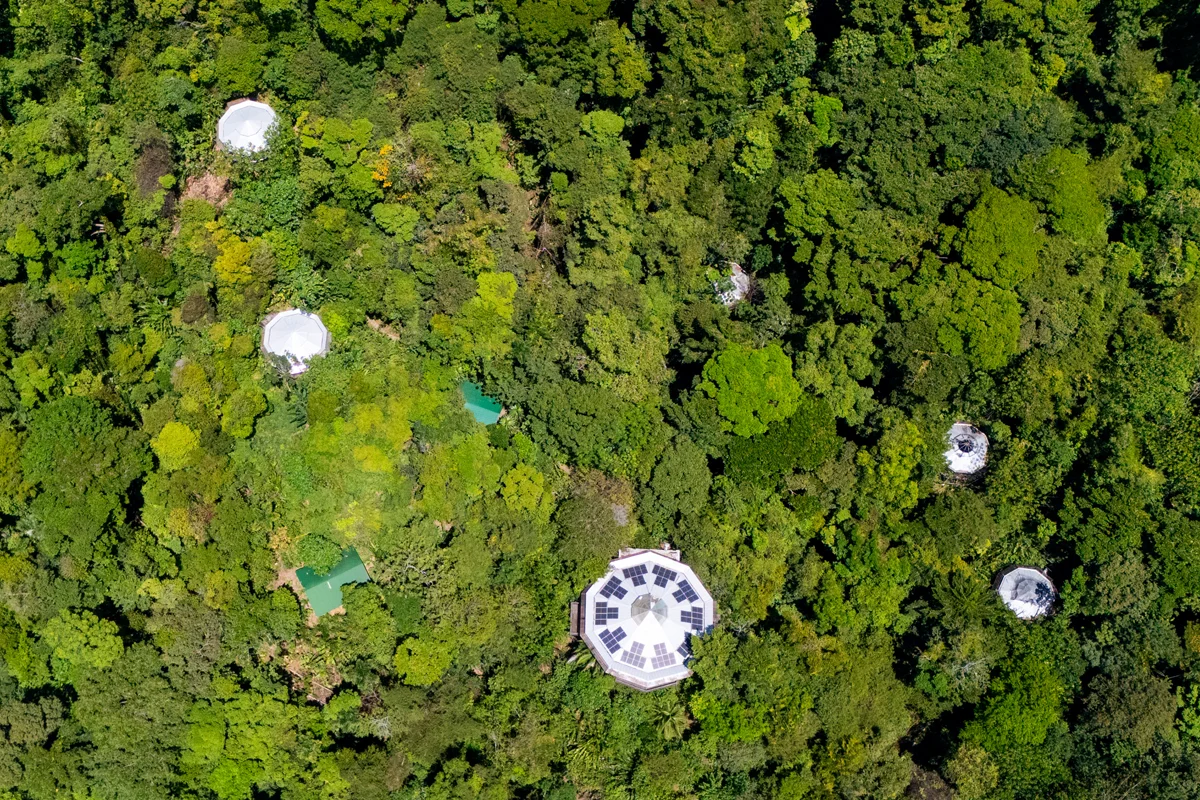
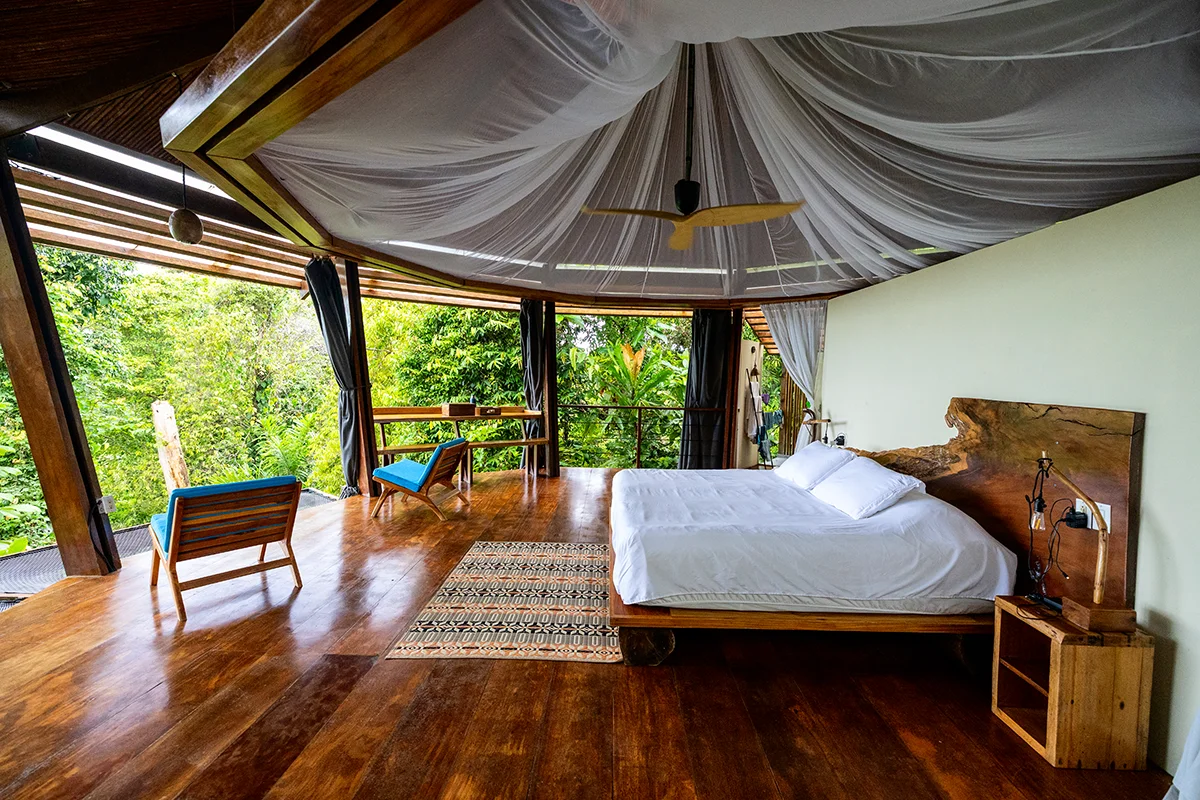
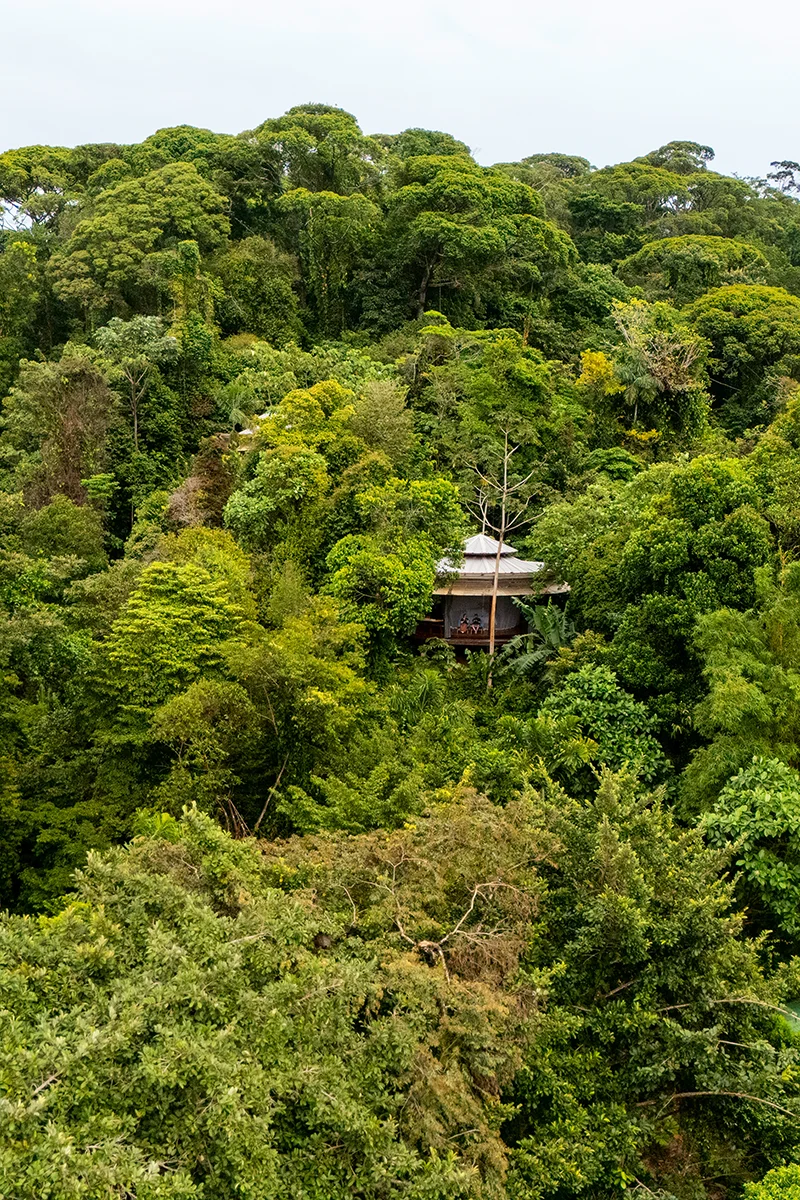
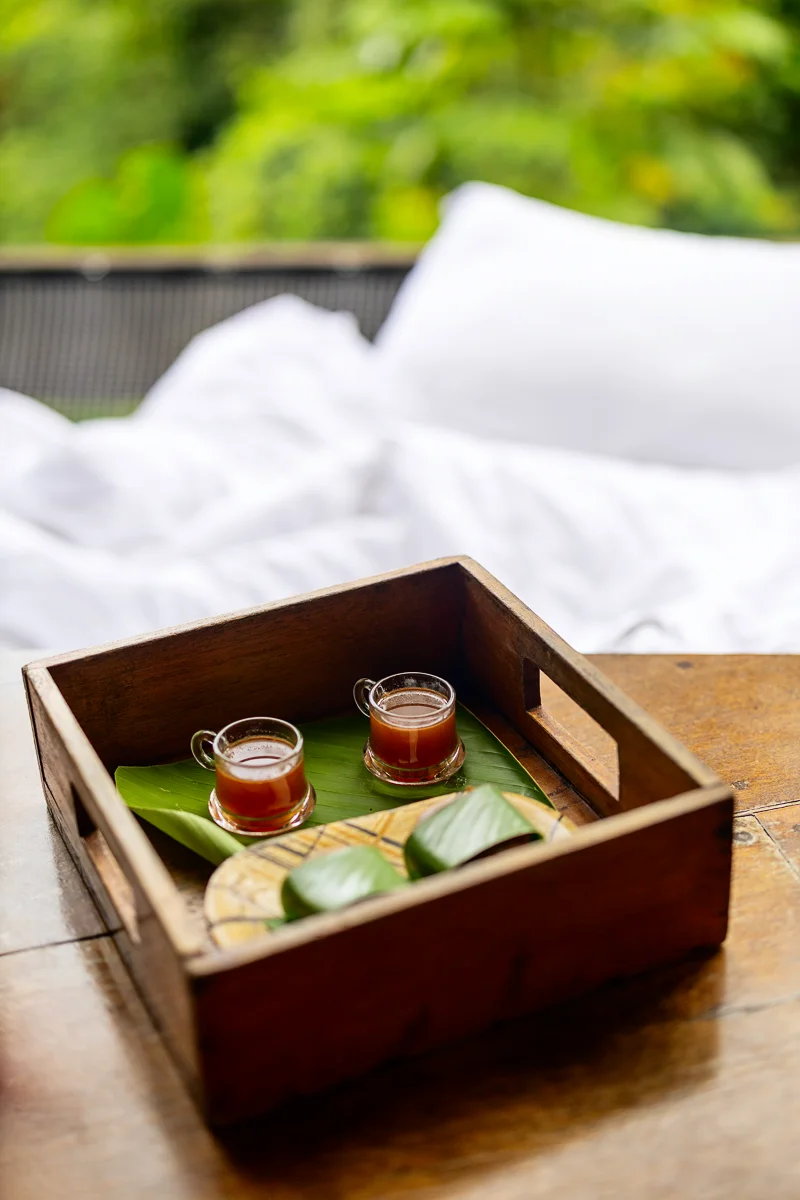
- La Loma Jungle Lodge ($$$) – An open-air treehouse retreat set deep in the rainforest canopy. If your plan leans toward wildlife, hiking, and organic culture, this lodge is legendary. Mornings start with cocoa tea and warm muffins brought to your villa, and you can join cacao tours or spot sloths, hummingbirds, and red frogs without leaving the property. There’s so much wildlife on the grounds that the place could be a weekend retreat for time-starved nature photographers.
- Palmar Beach Lodge ($$) – A barefoot, eco-friendly lodge on Red Frog Beach, with private bungalows bridging the gap between jungle and ocean. Sloths, monkeys, and red frogs turn up regularly on the grounds, and you’re steps from the sand. We recommend booking the Jungle Immersion Bungalow or the Island Bungalow.
Getting there: 1-hour flight from Albrook Airport (PAC) to Bocas del Toro International Airport (BOC) on Air Panama.
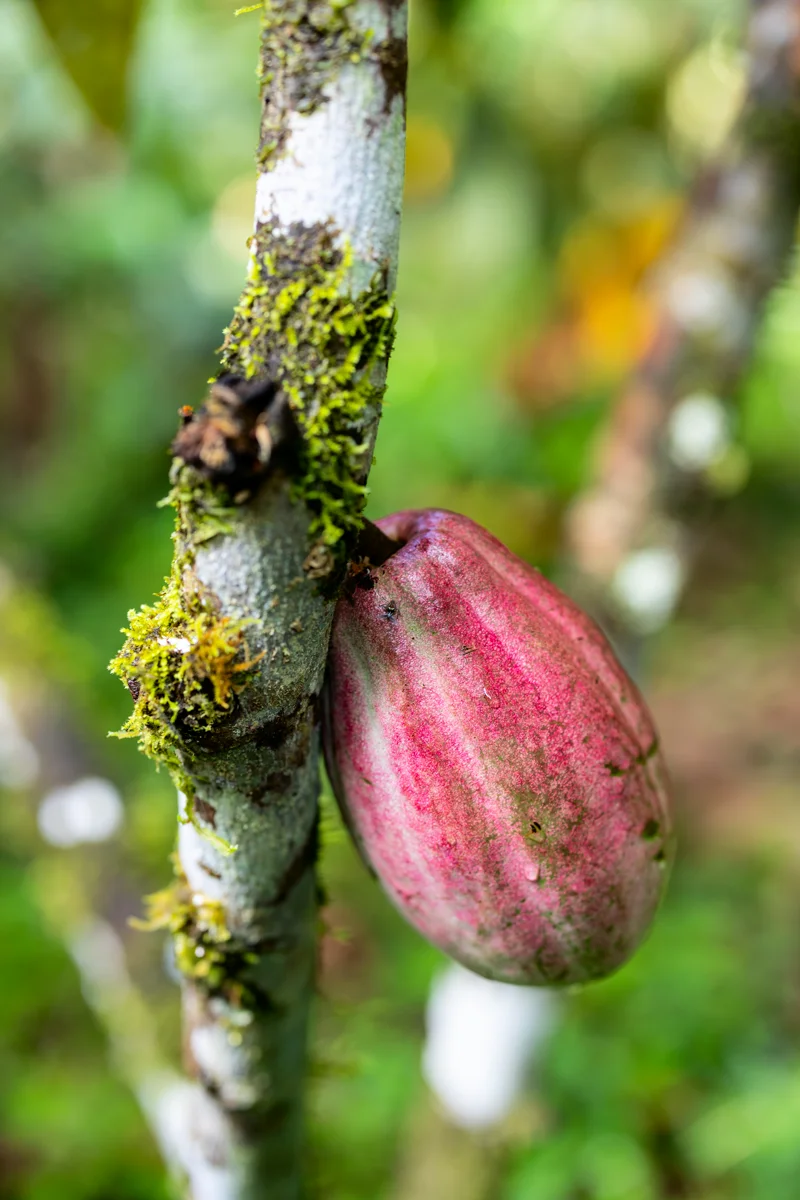
Activities and experiences: wildlife tours, Zapatilla Island, birdwatching, beach-hopping, and a cacao tour.
El Valle de Antón
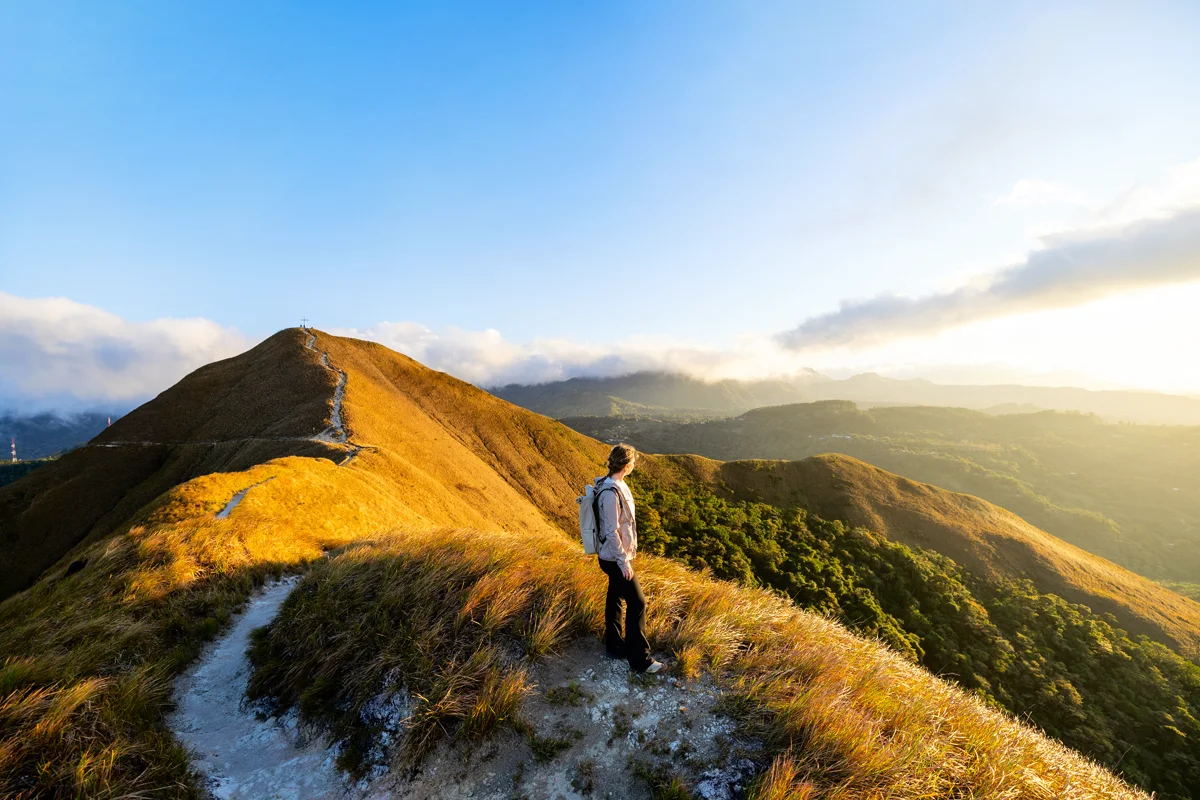
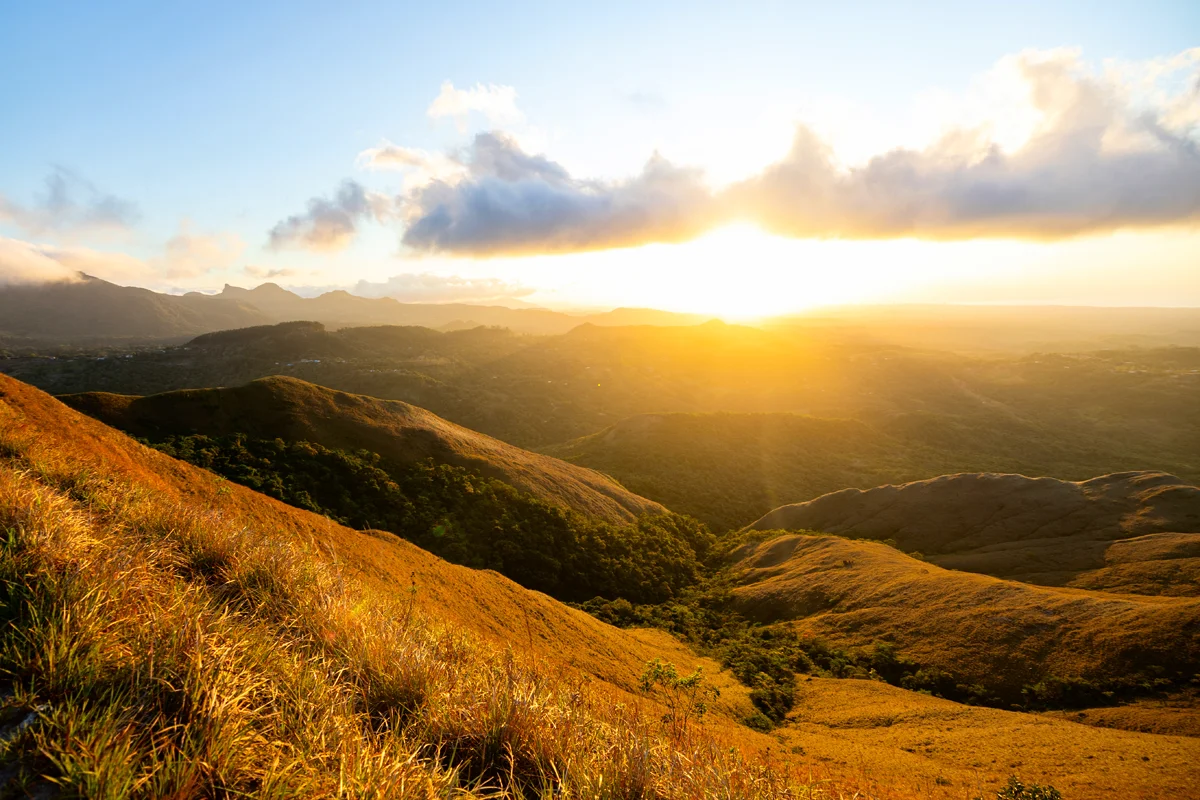
Built inside the crater of a dormant volcano, El Valle de Antón is ringed by green peaks and cooler mountain air. It’s the quiet, restorative close to the Panama itinerary, and the hiking here is excellent.
Where to stay:
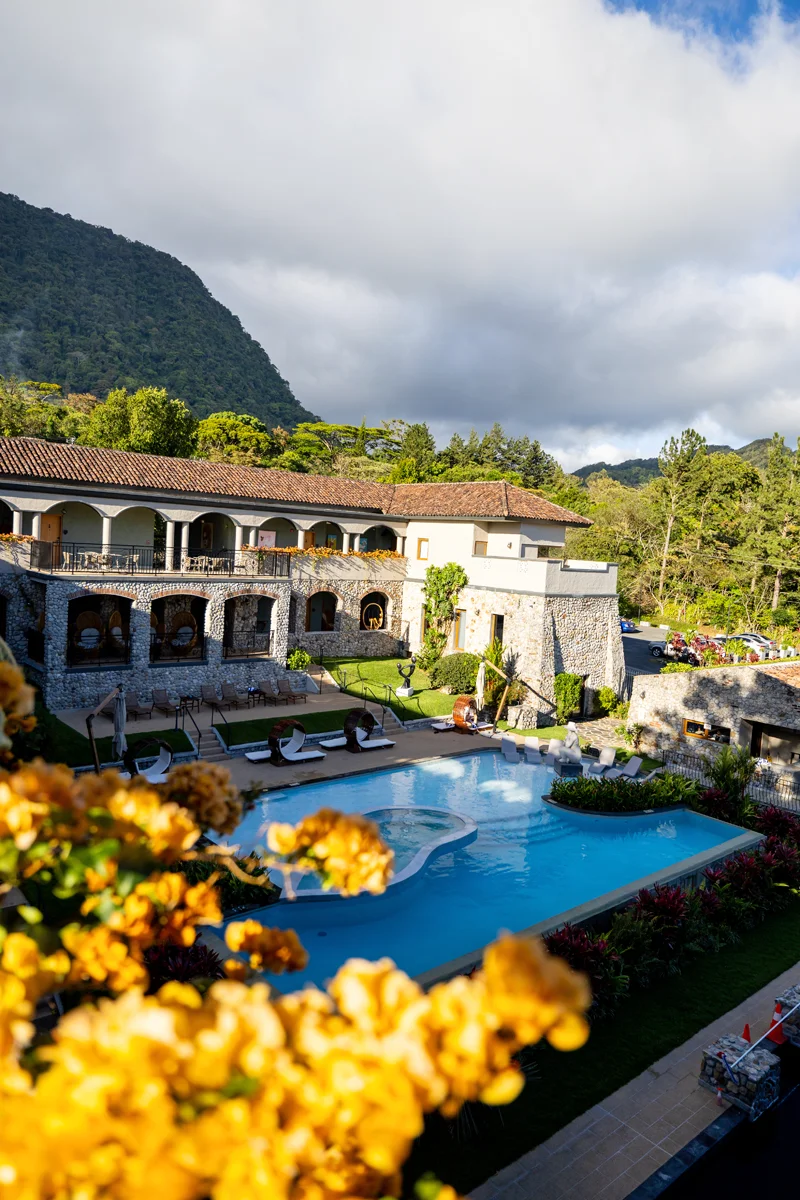
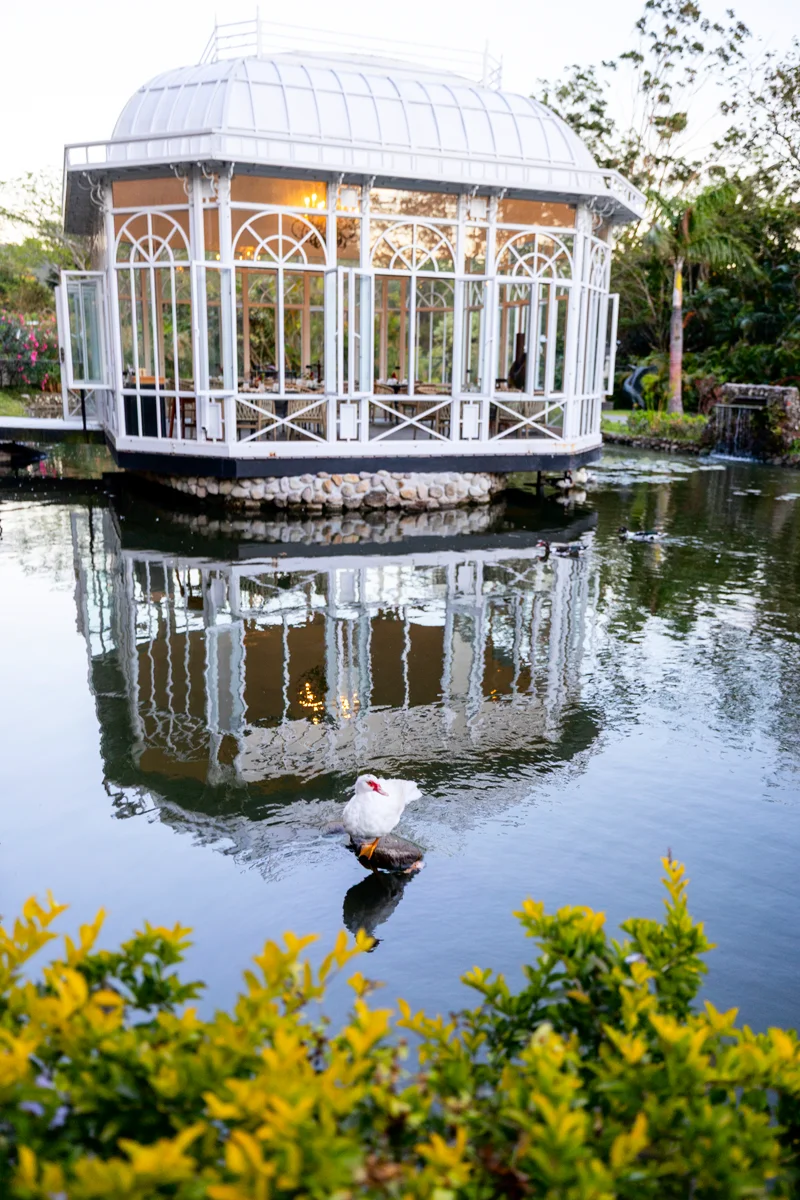
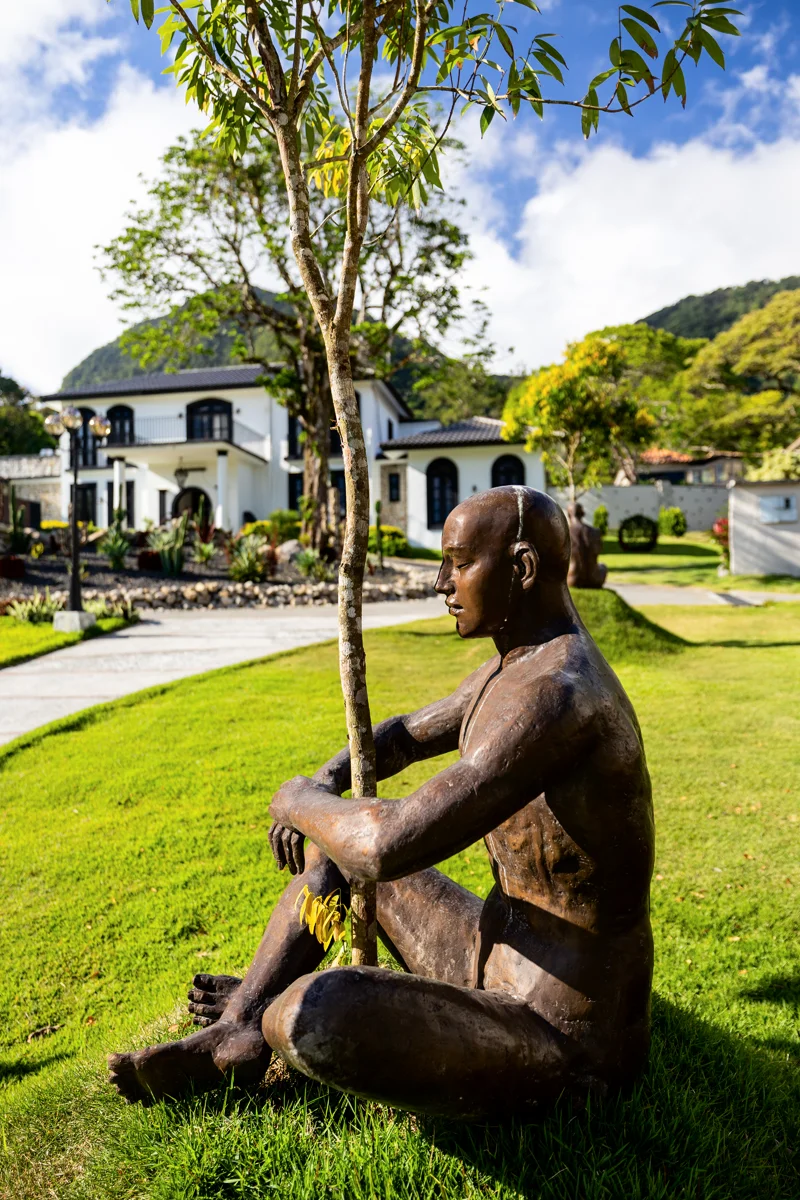
- La Compañía Del Valle ($$$) – Set against misty peaks, with landscaped grounds, striking art installations, and the Elysium Spa, the largest wellness spa in the country. The concierge team arranges everything by message, from transfers to treatments and activities.
- Casa Simona ($$$) – A new addition to the area, a 21-suite boutique property focused on slow living, local gastronomy, and natural design.
Getting there: 2.5-hour drive from Panama City.
Activities and experiences: mountain hiking trails.
Day 1: Arrive in Panama City
Your Panama itinerary begins at Tocumen International Airport (PTY), with a short transfer into Casco Viejo. This historic district is famous for its colonial architecture, cobblestone alleys, and small plazas. A few streets especially stand out:
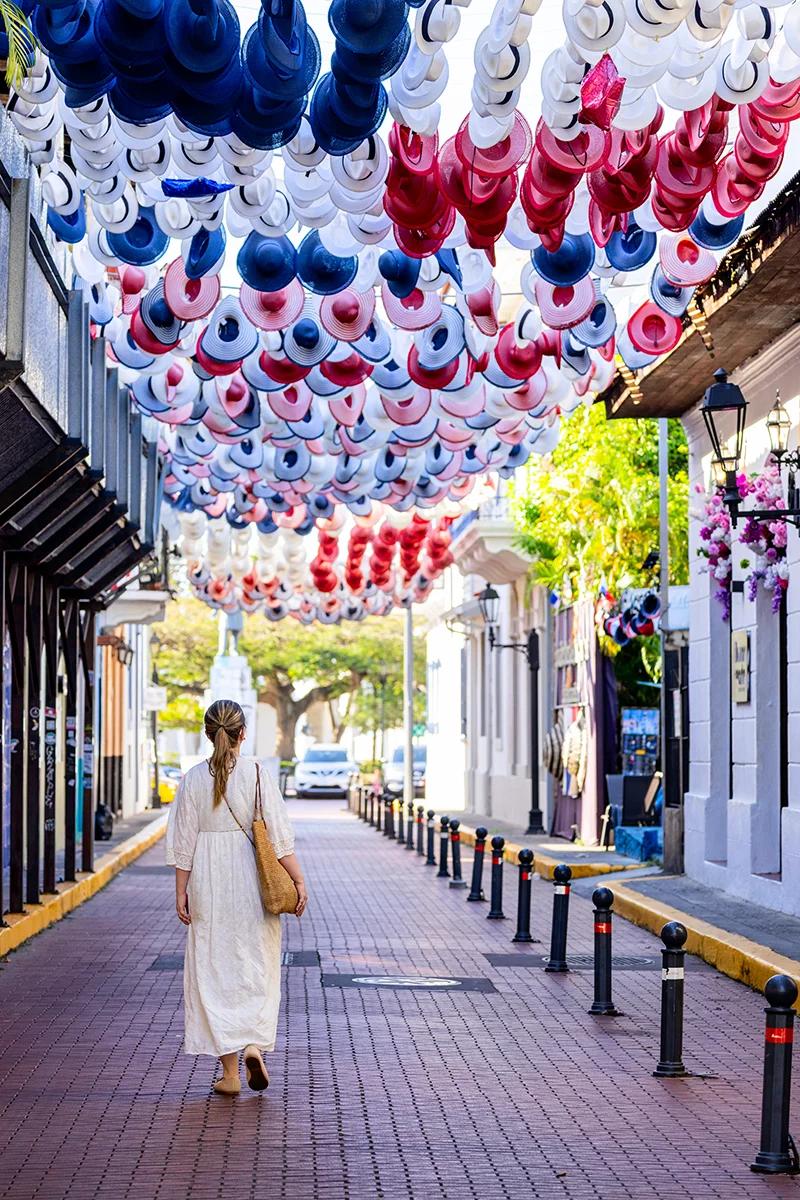
- La Calle de los Sombreros is one of the prettiest and most unique alleys, famous for the hundreds of colorful Panama hats hanging overhead.
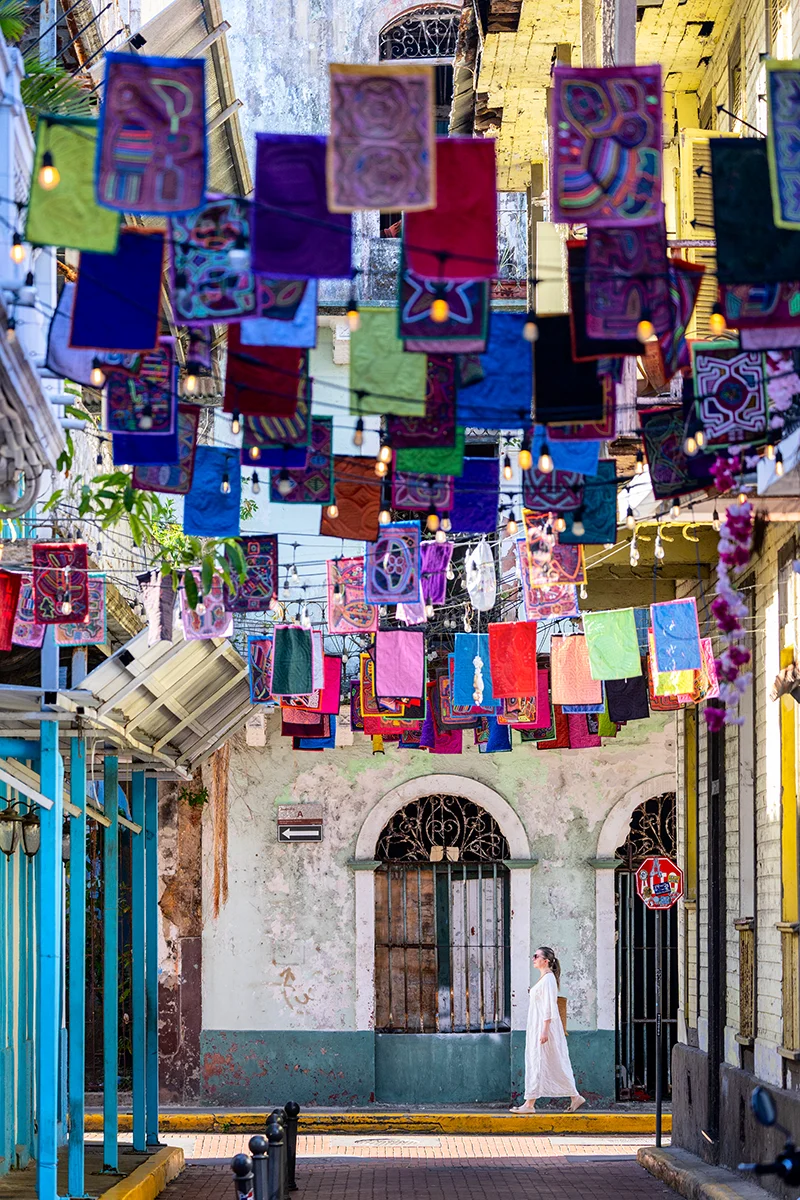
- La Calle de las Molas celebrates Guna culture, with intricate handmade mola textiles displayed between colonial buildings.
- Paseo de Las Bóvedas is a bougainvillea-covered walkway lined with craft vendors, with views across the water to the modern skyline.
The district also holds seven beautiful historic churches, and a multi-church pass covers the major ones. Four stood out to us:
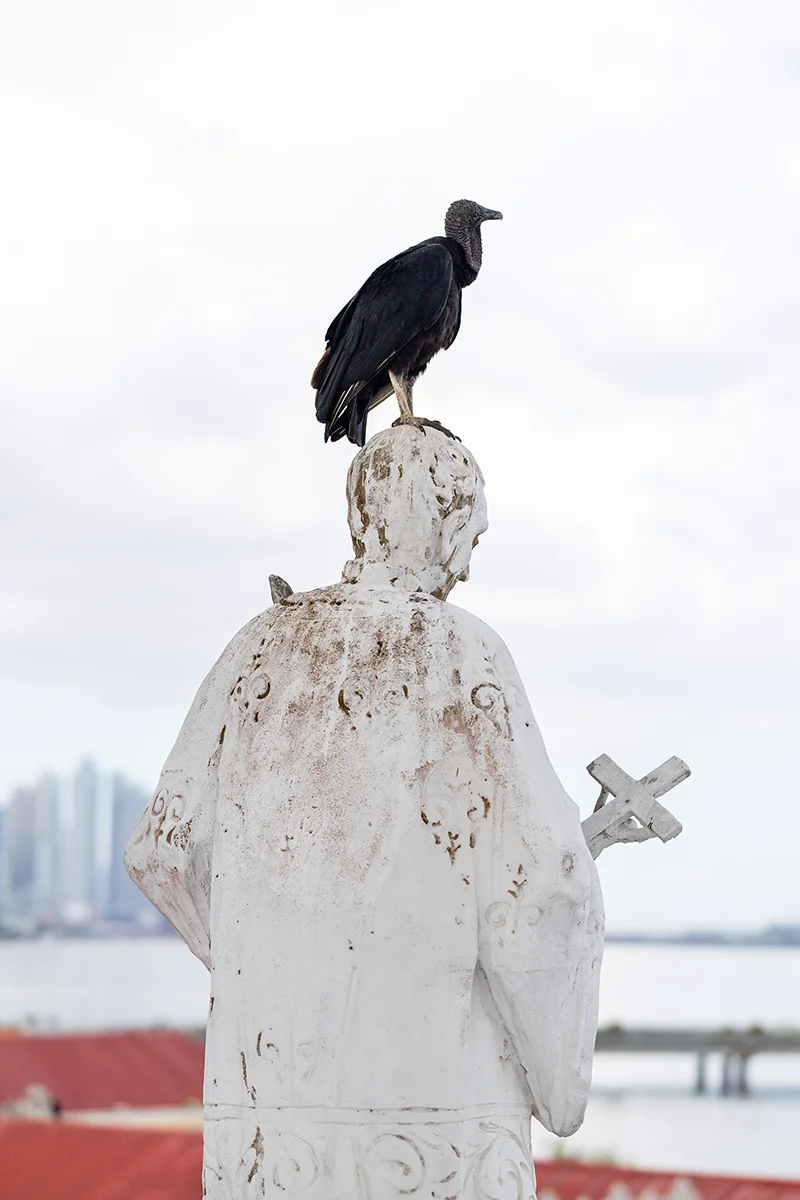
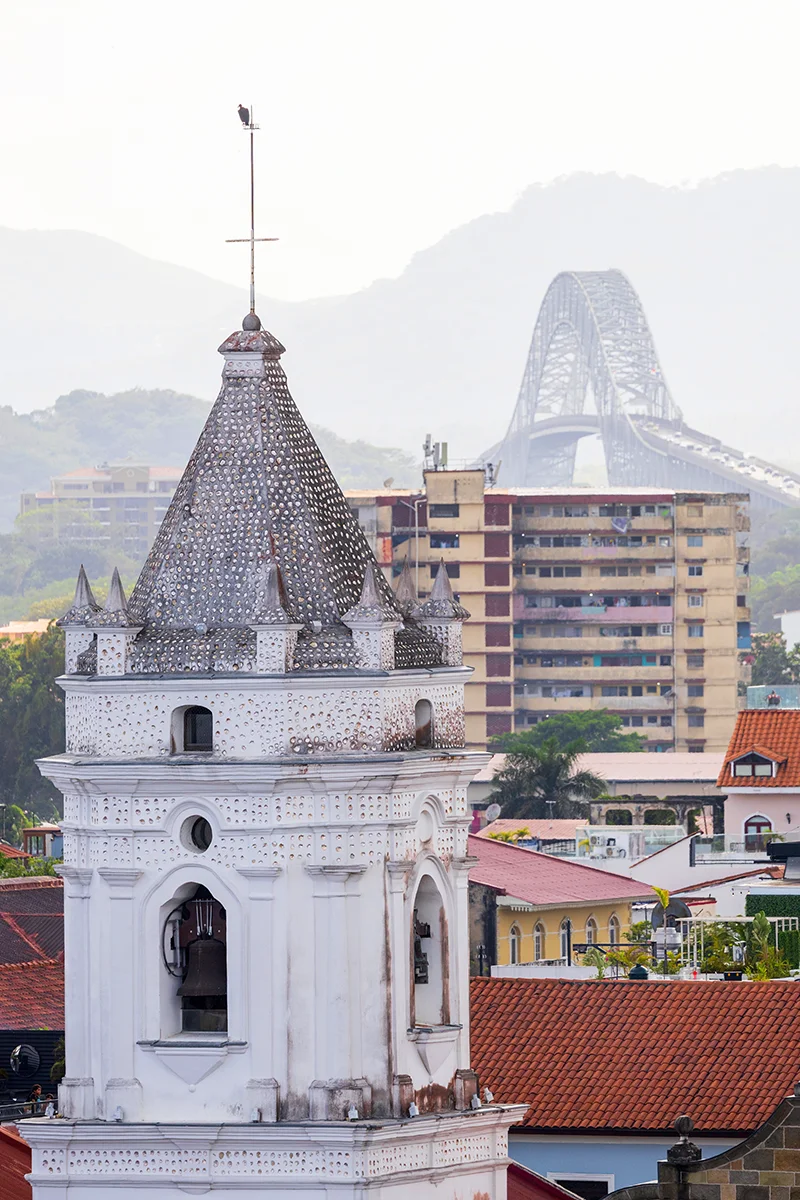
- Iglesia de San Francisco de Asís was originally built in the early 18th century and has been destroyed by fire and rebuilt several times since. You can climb its bell tower, the highest point in Casco Viejo, for a 360-degree view of skyscrapers on one side and red-tiled rooftops on the other. The church is open Tuesday through Sunday, 9:00 AM to 5:00 PM.
- The Metropolitan Cathedral on Plaza Mayor is the showpiece of the old town and one of Central America’s finest churches.
- Iglesia de San José is known for its Golden Altar. Legend has it that local monks painted it black to hide it from the infamous pirate Henry Morgan.
- Iglesia de La Merced, dating to 1680, is one of the city’s oldest structures. The interior is hushed and full of history, with that old-world atmosphere and beautiful wood pillars and ceilings.
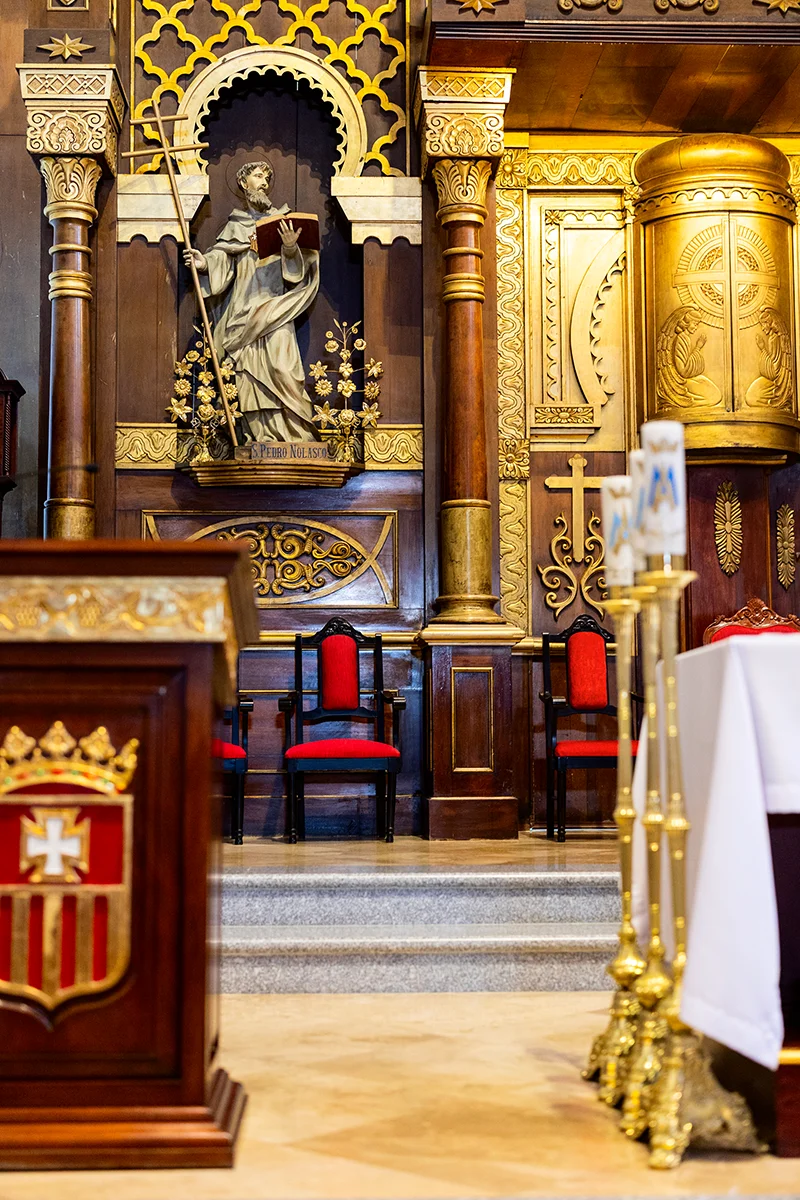
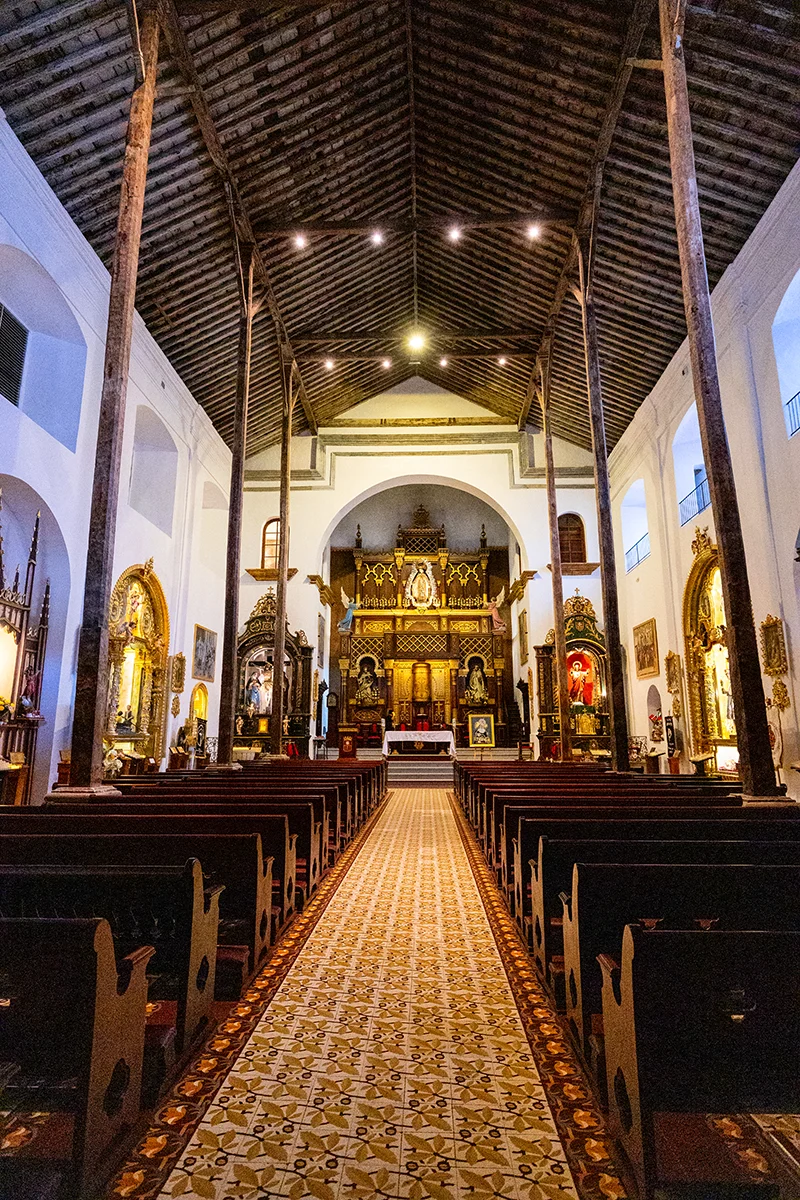
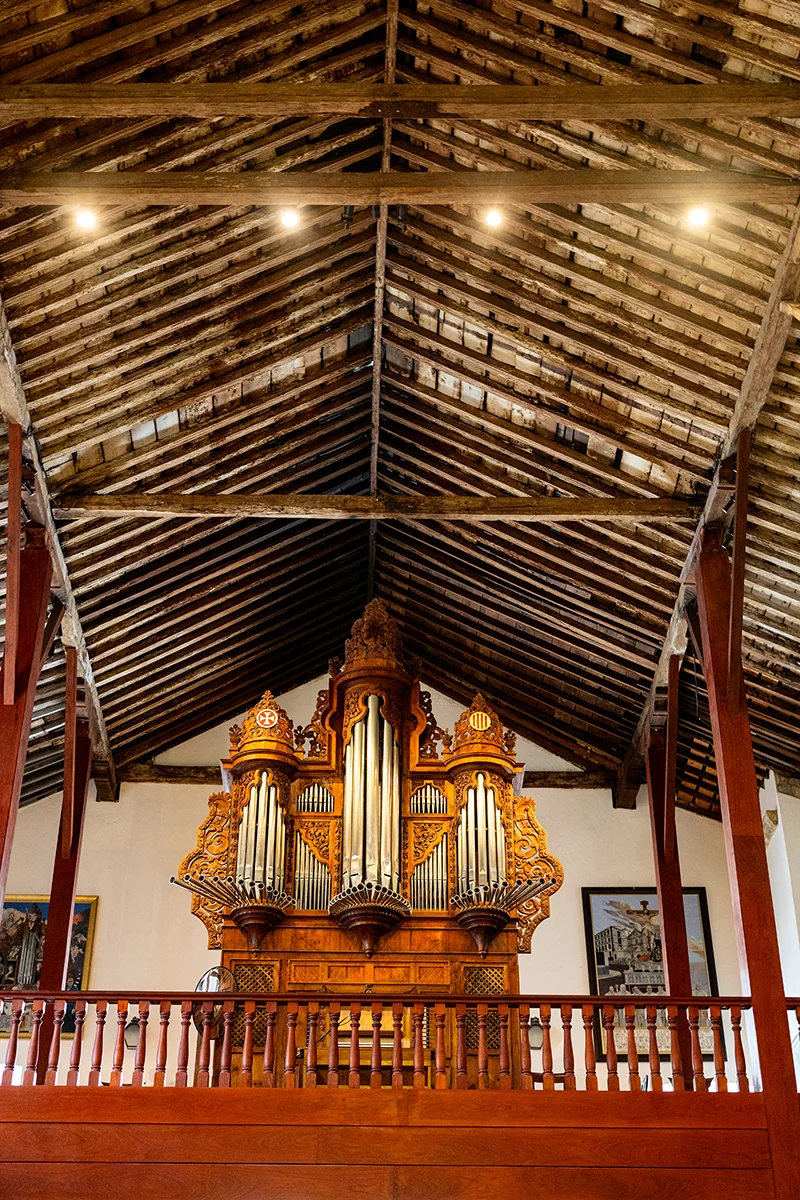
All of these sites are within a compact, 5-block walking radius, making them easily doable in a single morning or afternoon.
Day 2: Panama Canal
Early morning is the perfect time to spot wildlife at Metropolitan Natural Park, which is at its best right at the 7:00 AM opening. That’s when you’re most likely to see coatis, tamarins, howler monkeys, three-toed sloths, and toucans.
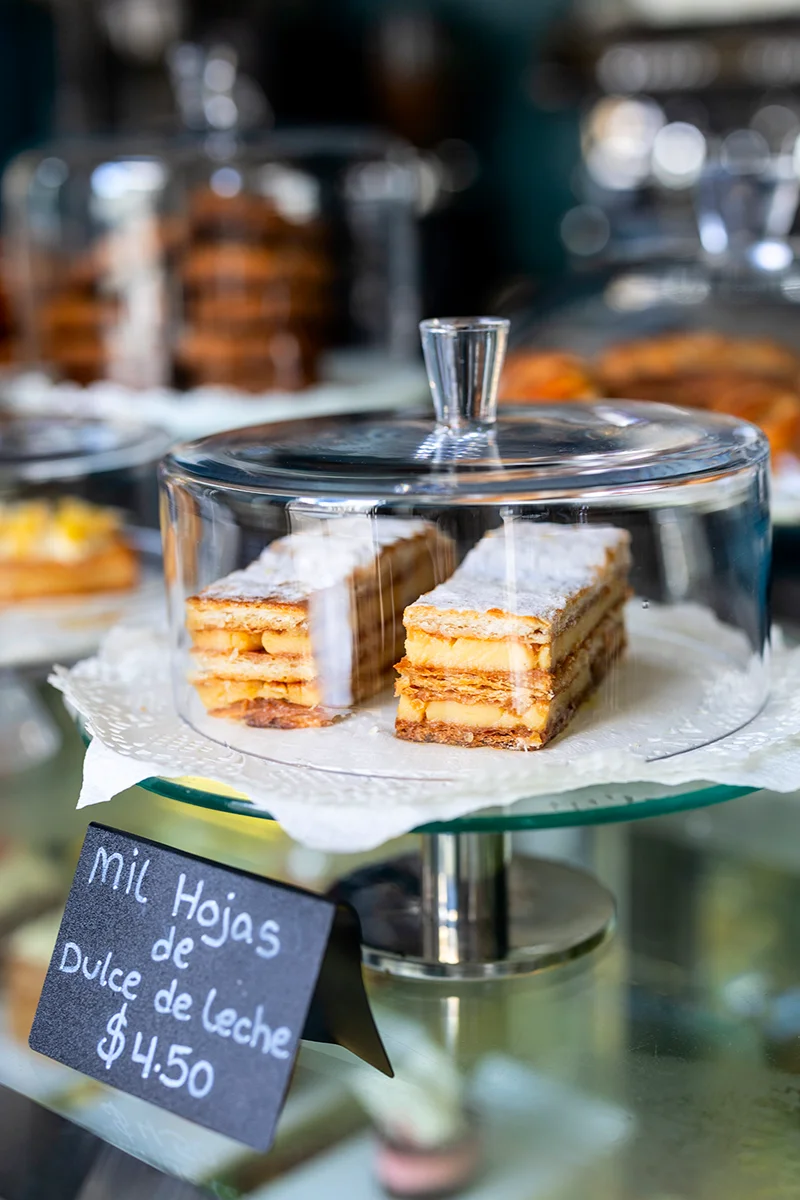
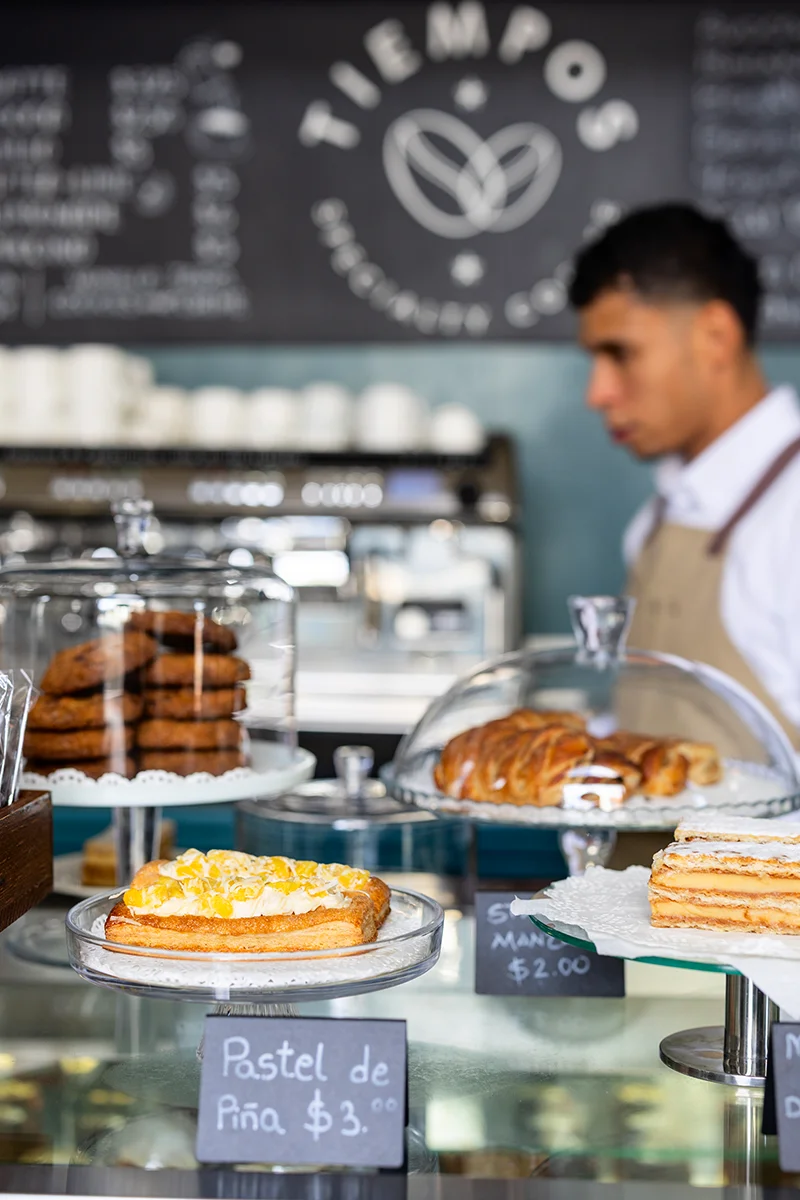
Back in Casco Viejo, take a coffee break and try Panama’s world-famous Geisha variety at either Tiempos or Café Unido. It’s one of the world’s most expensive coffees, with the finest auction lots selling for thousands of dollars per pound and routinely breaking global records.

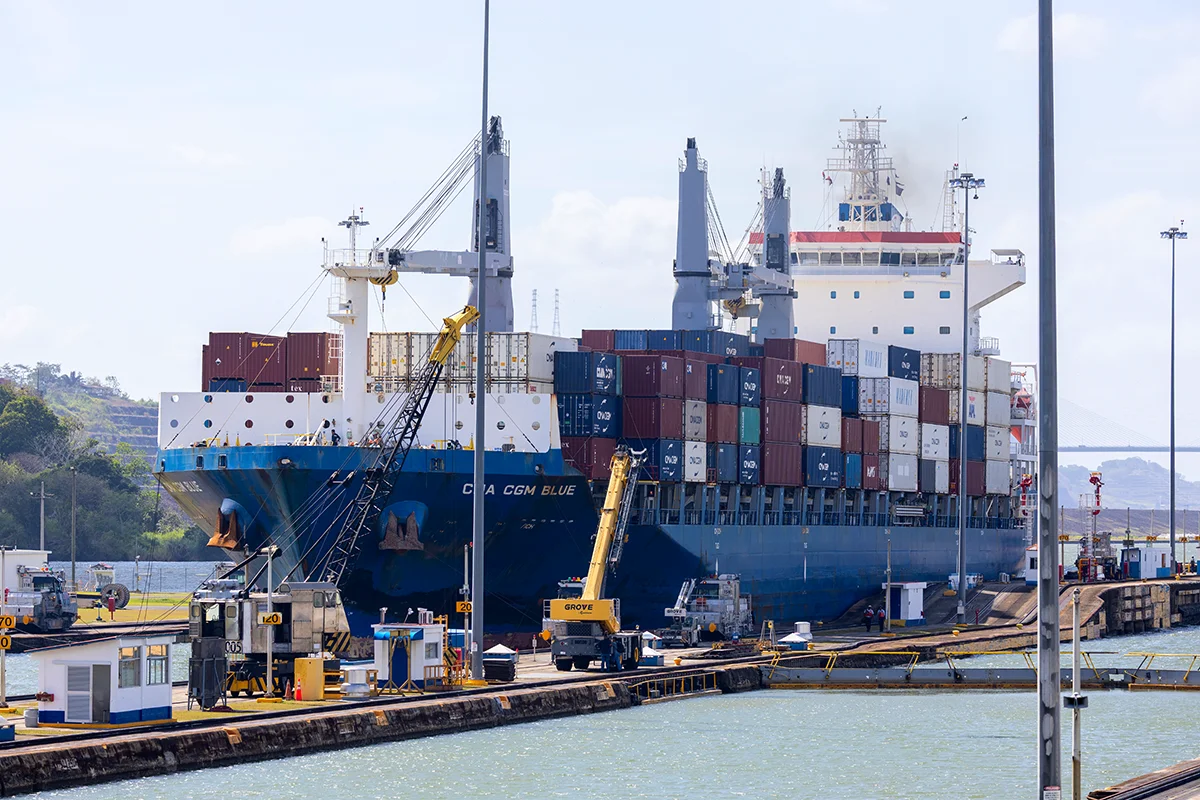
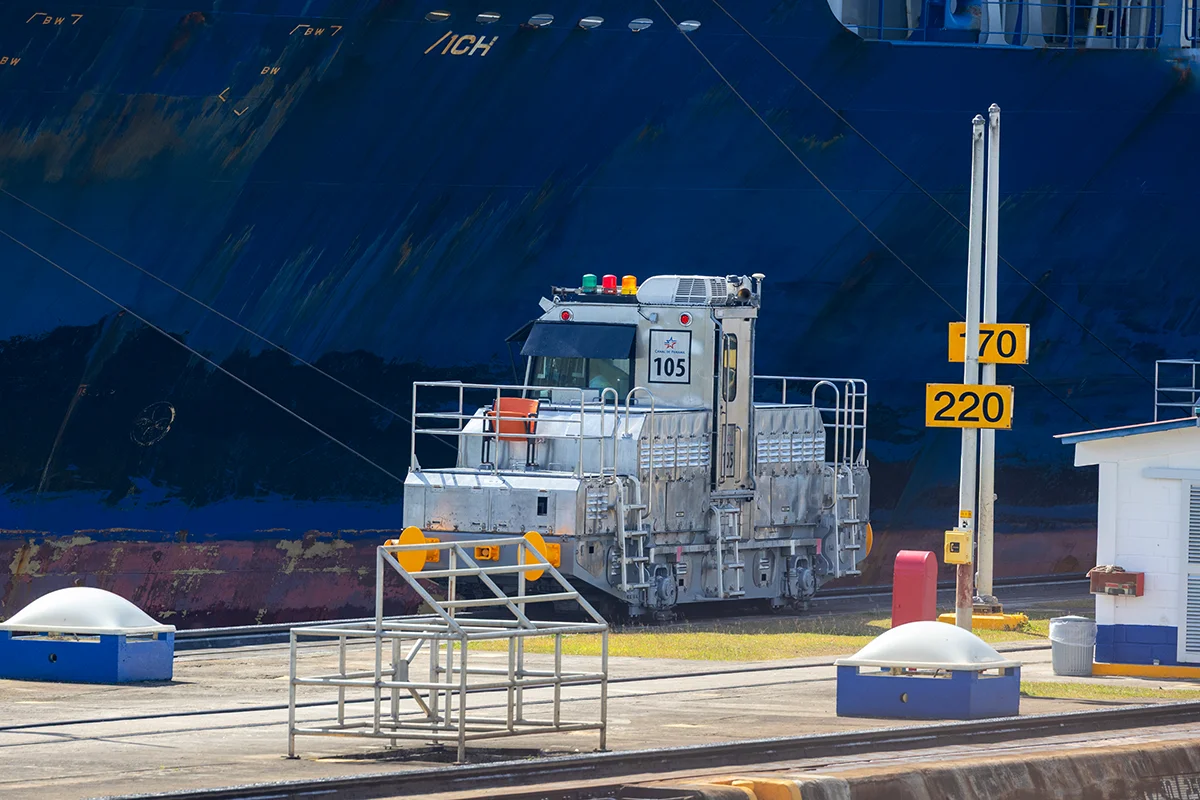
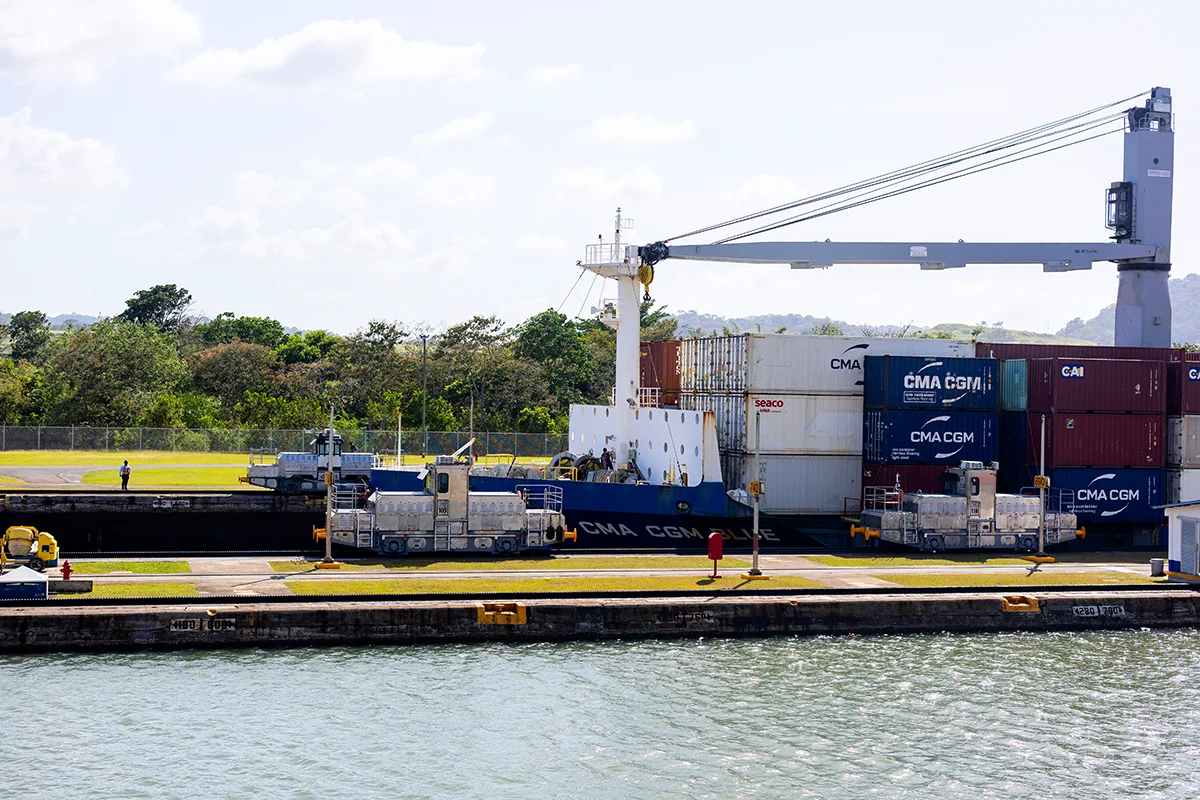
The canal is best saved for after lunch, timed to the ship-passing schedule. The easiest way to see it in action is at the Miraflores Visitor Center, about 30 minutes away by Uber. The canal sits roughly 26 meters (85 feet) above sea level, so ships are raised and lowered through a series of locks, and watching it happen is genuinely impressive. Book tickets ahead on the official site to skip the queues. The IMAX 3D film on the canal’s history, narrated by Morgan Freeman, is well worth watching while you’re there.
If you’d rather skip the logistics, a private Panama Canal tour is a great option. It pairs the history and operations at the Miraflores Visitor Center with a boat tour on Gatun Lake, where you’ll watch ships pass through the locks and spot wildlife in the rainforest.
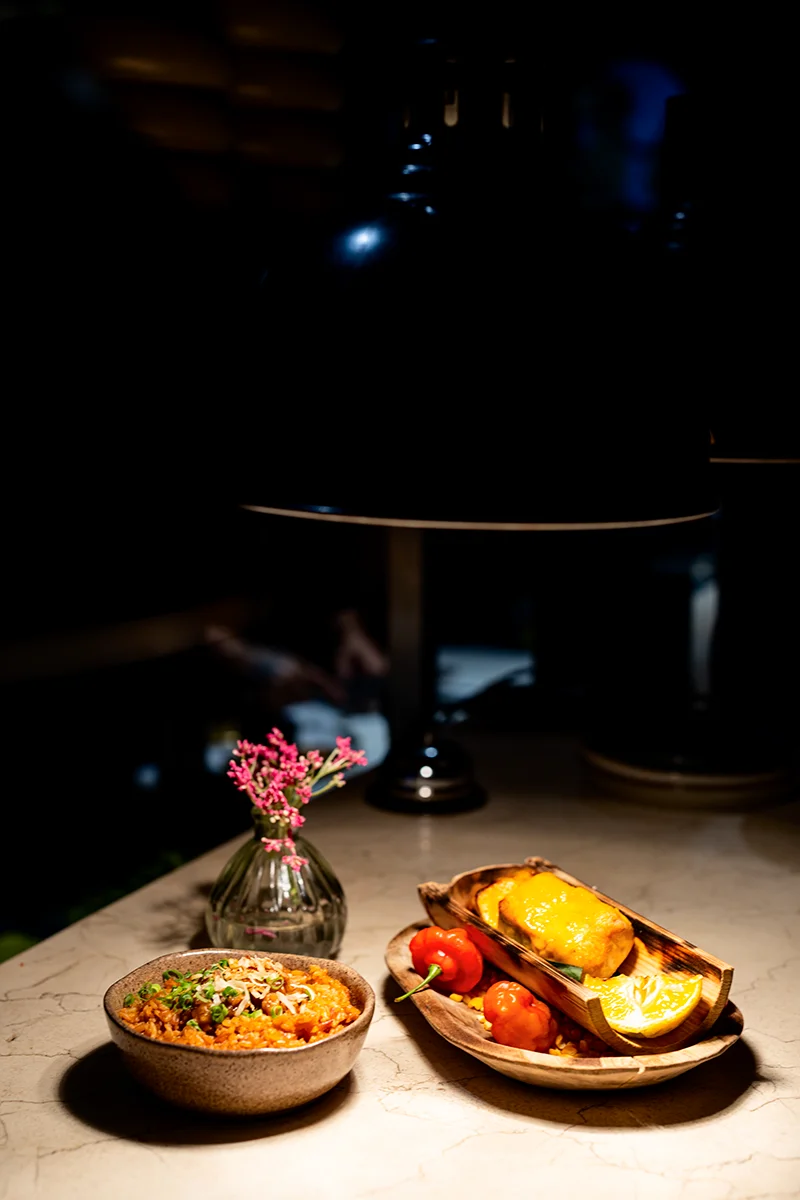
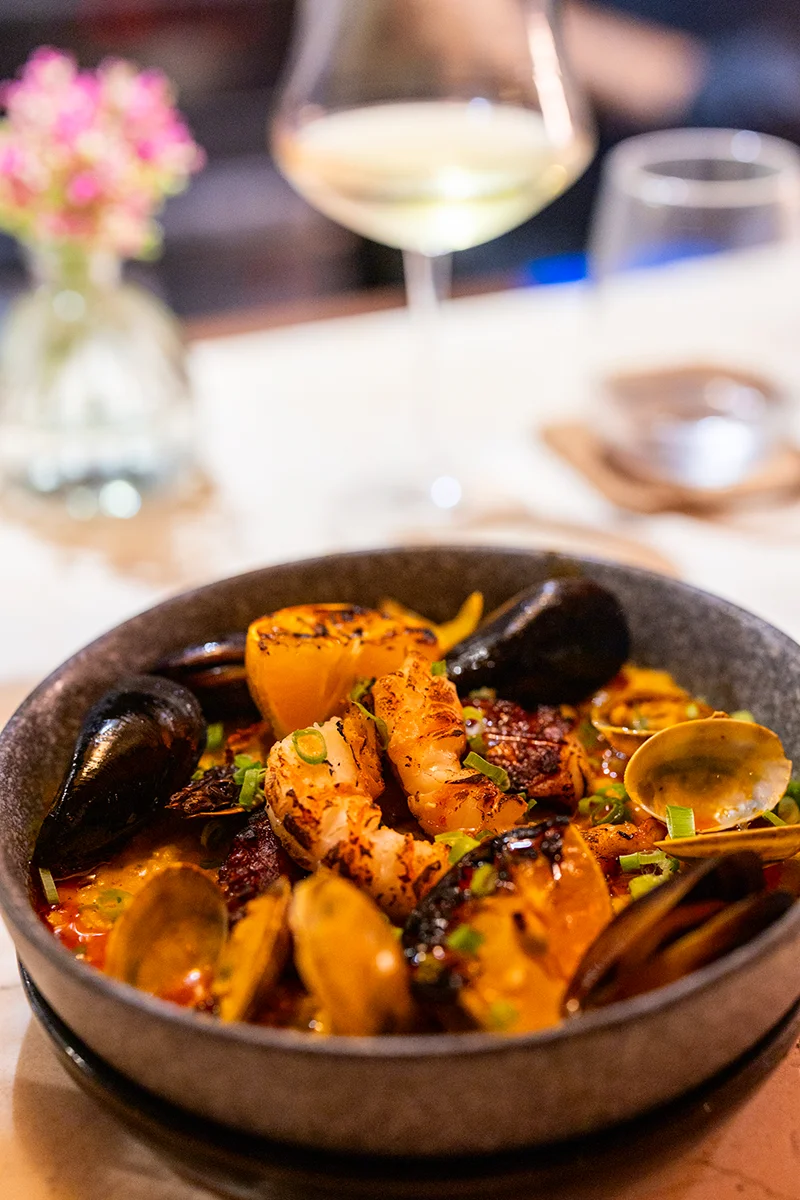
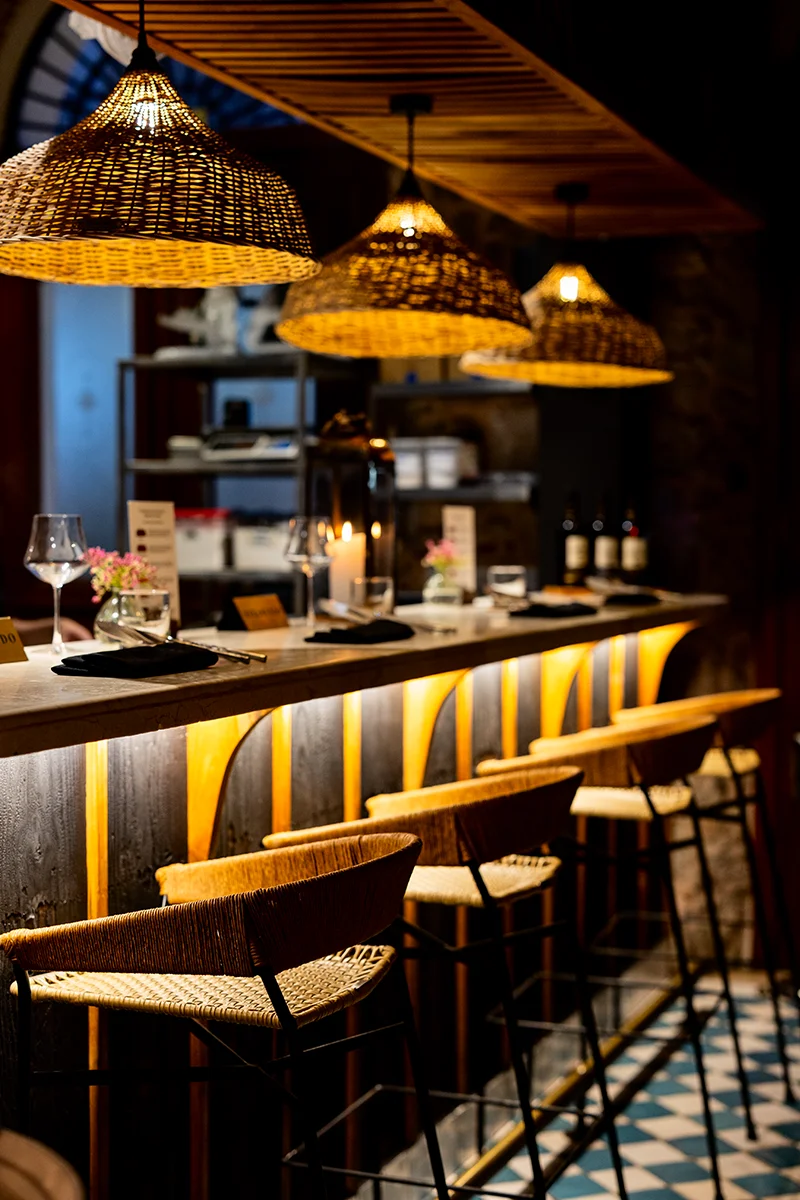
For a sunset drink, the Capella Rooftop bar atop Hotel La Compañía has an intimate, refined feel and sweeping views over the historic rooftops. For dinner, we recommend the elevated Panamanian cooking at Kaandela or Fonda Lo Que Hay.
Day 3: Emberá Indigenous Community
Spend the day on a trip into Chagres National Park to meet the Emberá community and learn about their traditions and rainforest way of life. The day usually includes a scenic canoe ride on the Chagres River, a swim at a jungle waterfall, traditional music and dance, and a locally prepared lunch of fried fish and patacones. It’s an easy, grounding counterpoint to two days in the city.
Day 4: The Ordupuquip Cays
It’s time for the next destination on this Panama itinerary. Today, you trade the city for the Caribbean. Flying to Corazón de Jesús Airport (CZJ) is the fastest, most comfortable way to reach the San Blas Islands, and the aerial views over jungle and cays on the way in are spectacular. You’ll be aboard your charter catamaran minutes after landing.
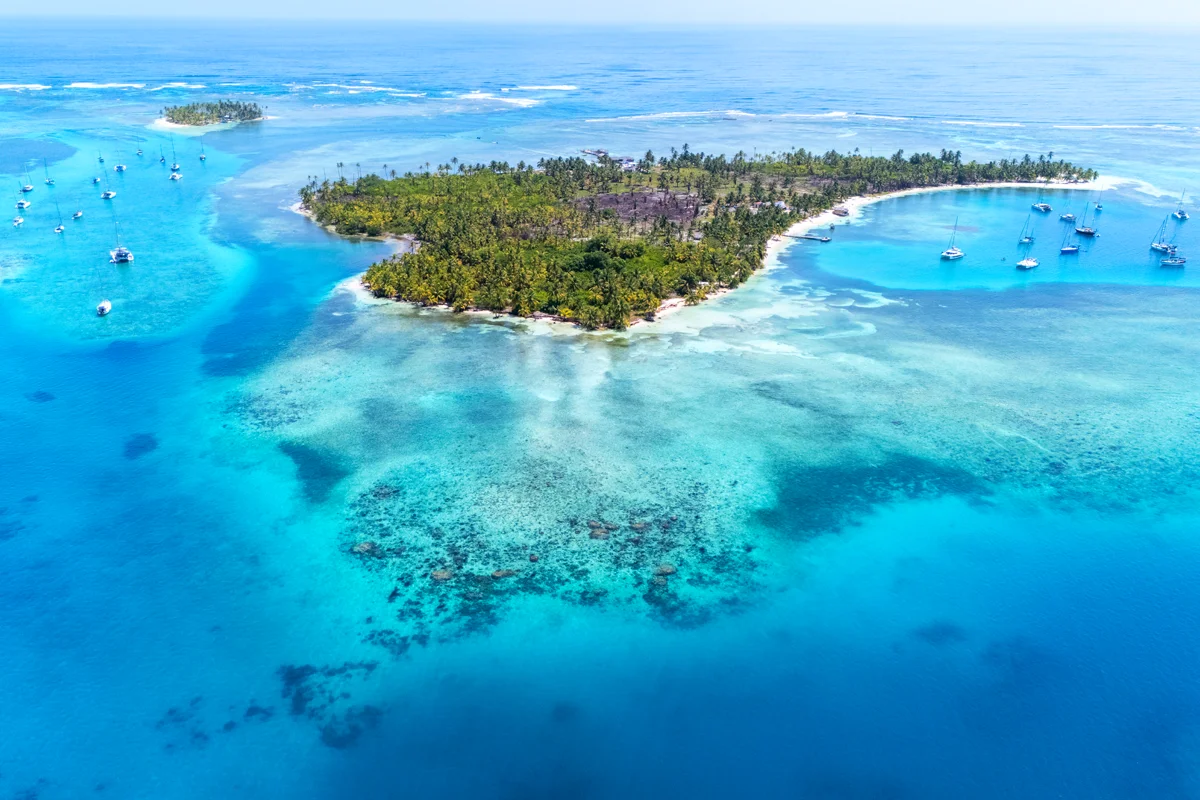
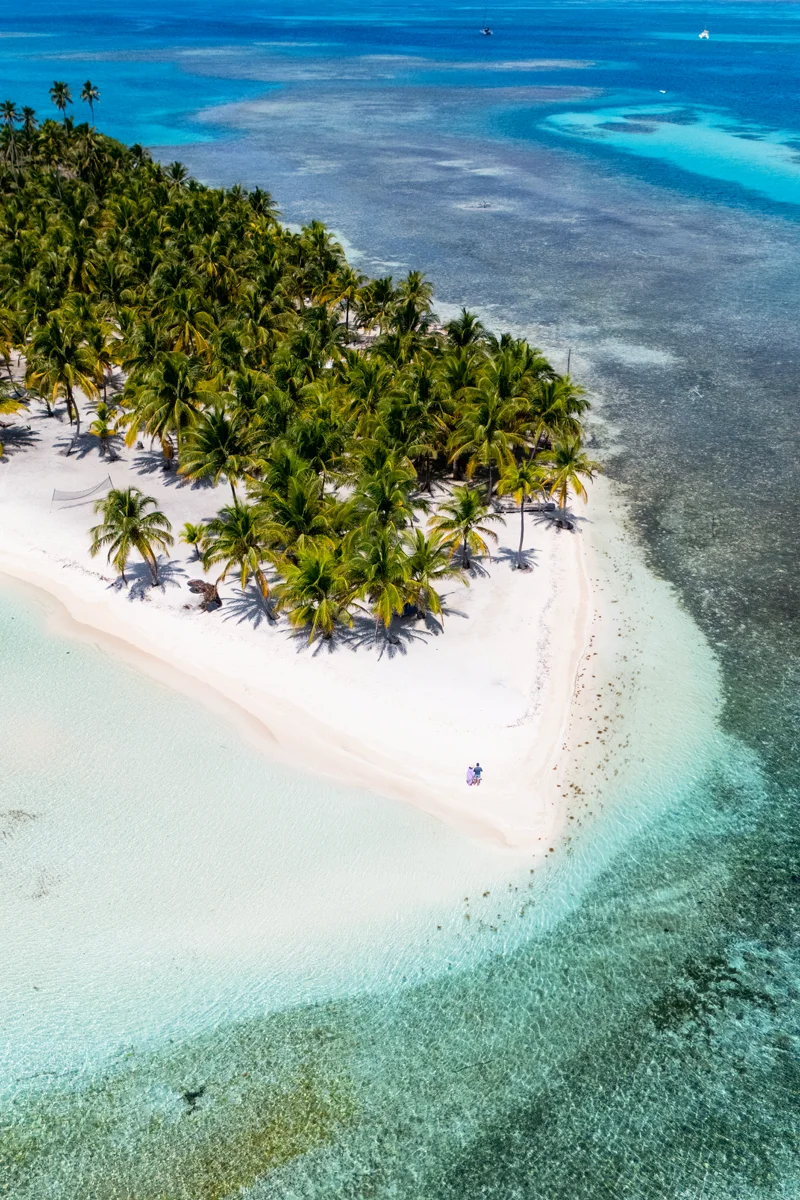
The next four days unfold across an untouched archipelago of more than 350 islands. Your first anchorage is Coco Blanco Island in the Ordupuquip Cays, among the most beautiful beaches in the San Blas Islands. Finding a stretch of sand to yourself is no trouble at all.
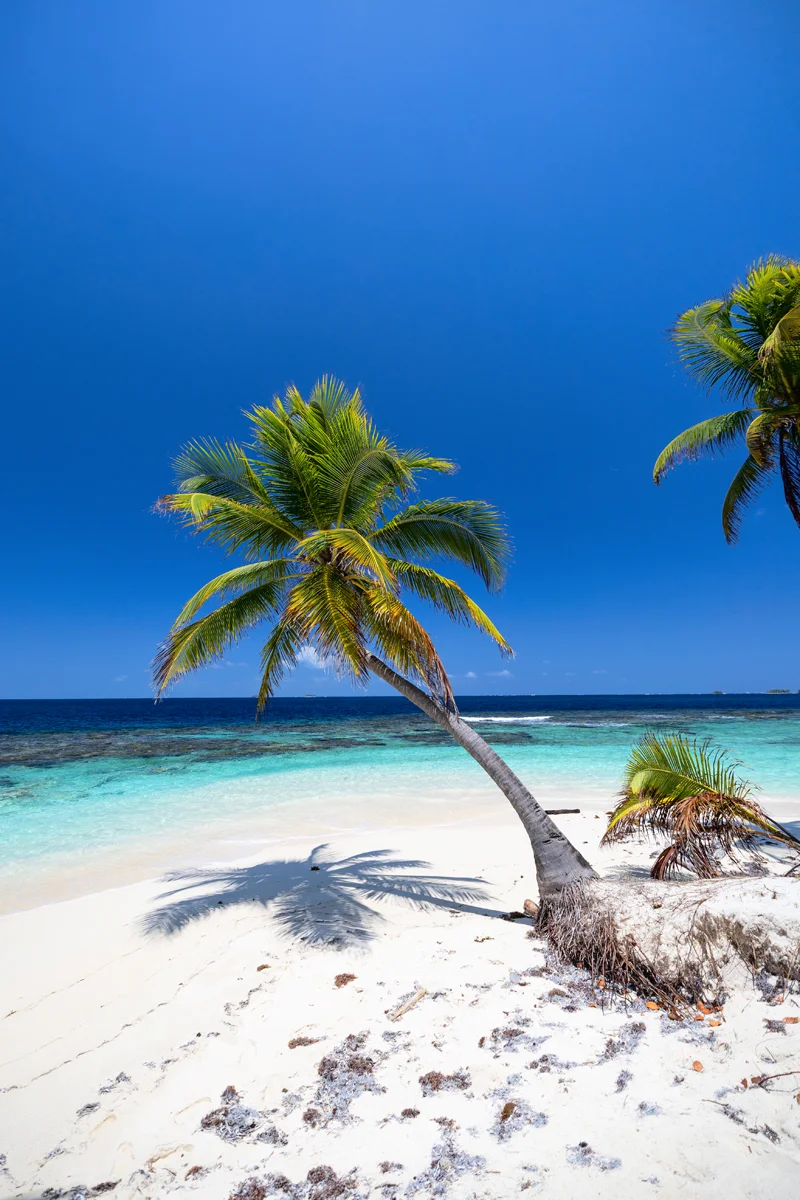
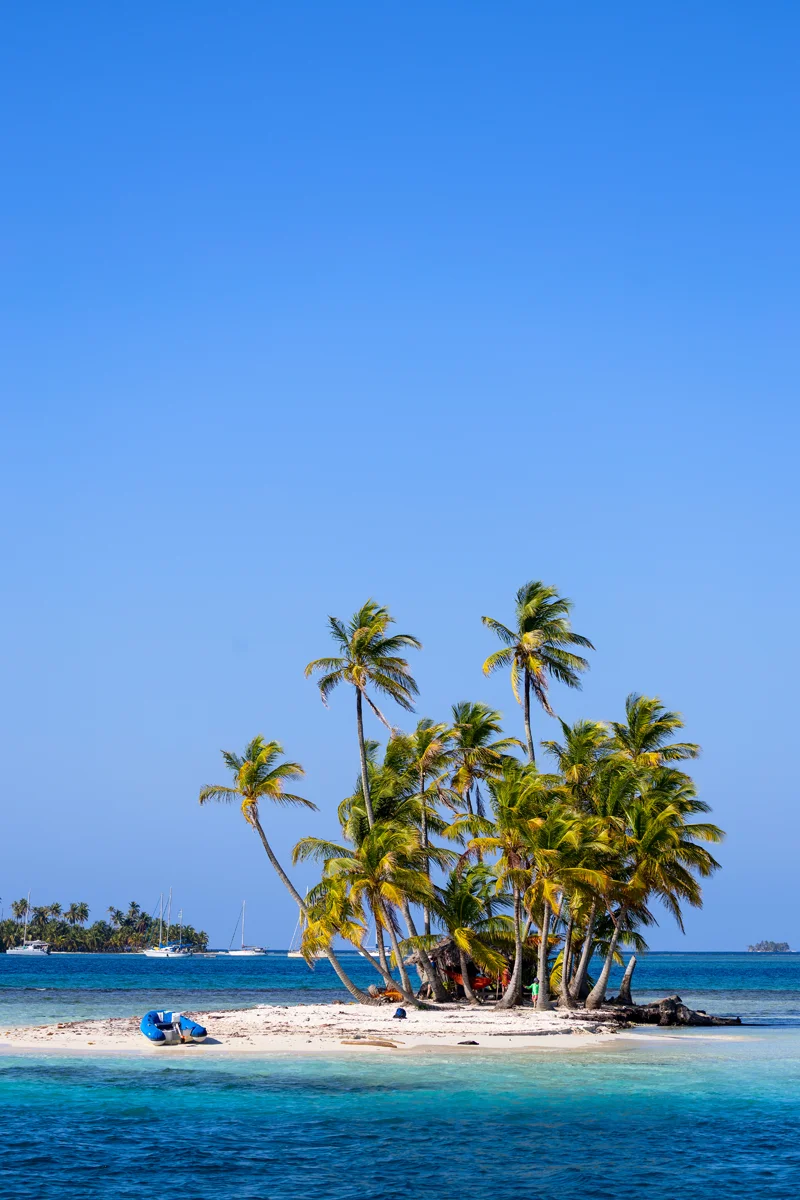
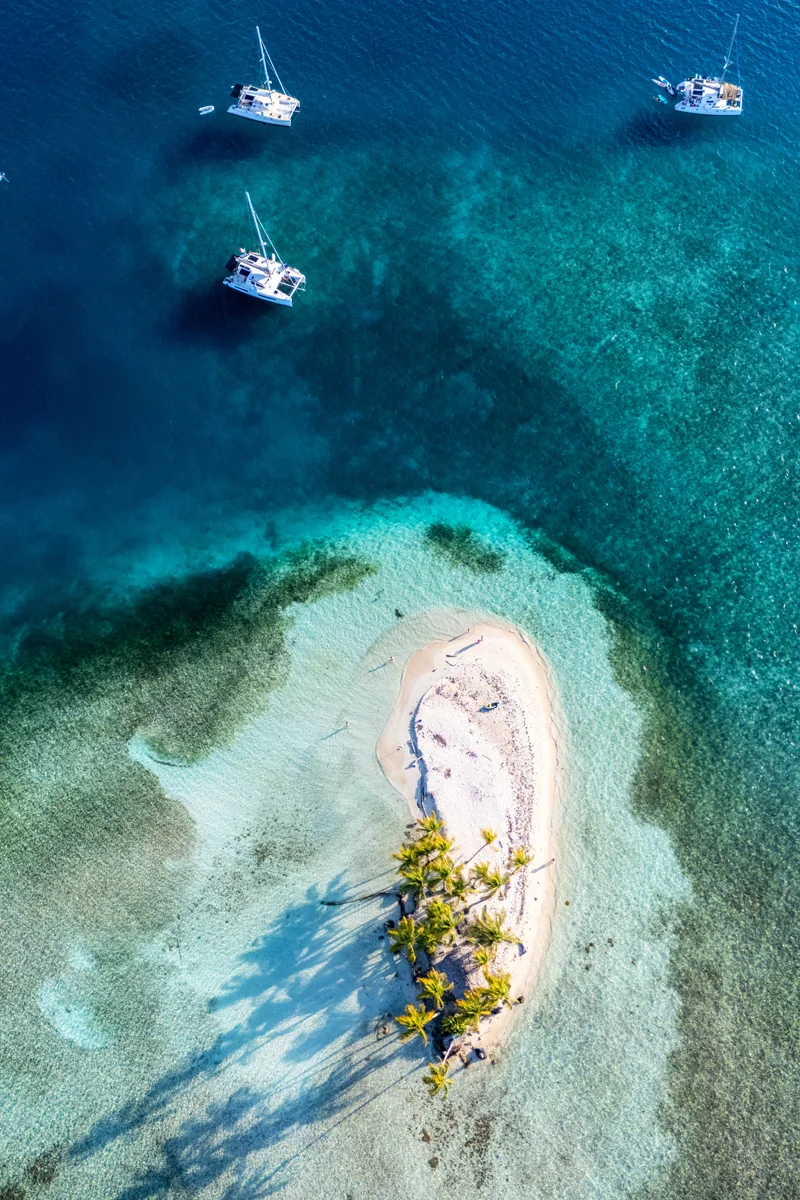
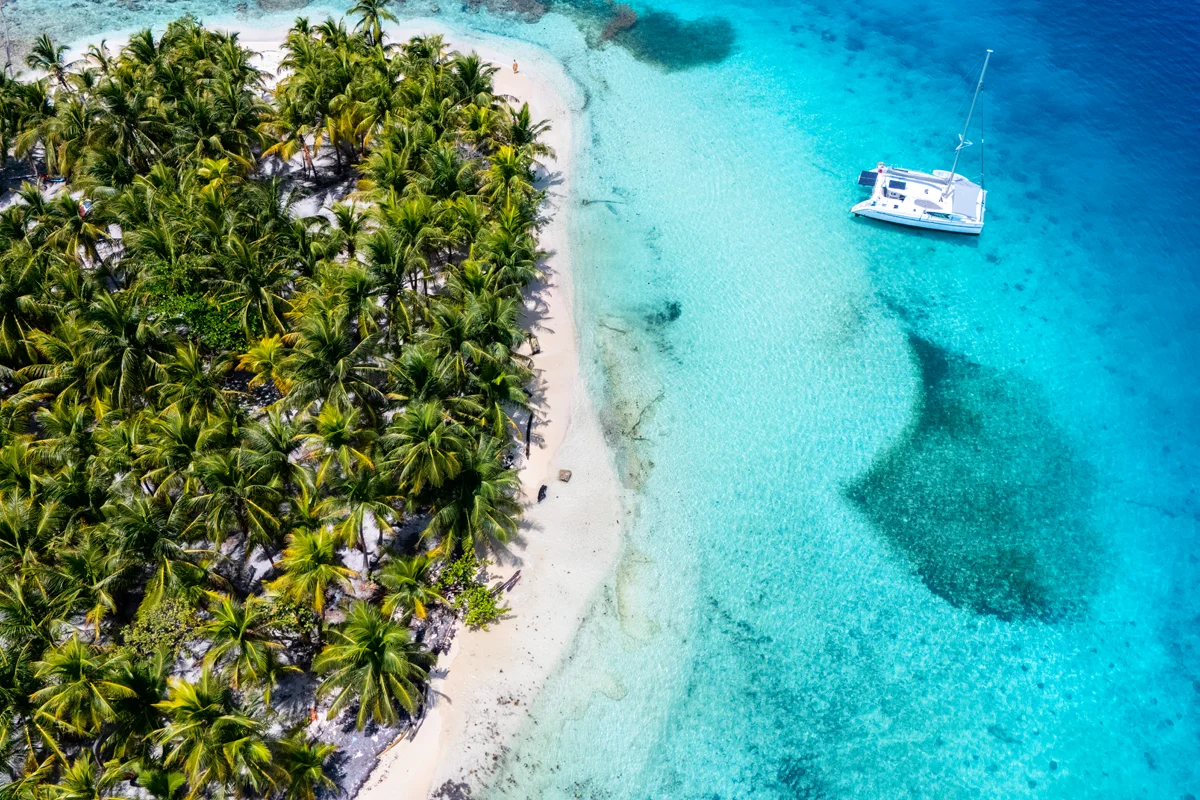
After lunch onboard, a short sail brings you to tiny Waisaladup, a cluster of palms ringed by bright white sand. It looks exactly like the desert-island emoji 🏝️, which is how it earned the nickname “Emoji Island.” There’s a small reef around it that’s easy to snorkel, with nurse sharks and stingrays often about.
Day 5: The Dutch Cays
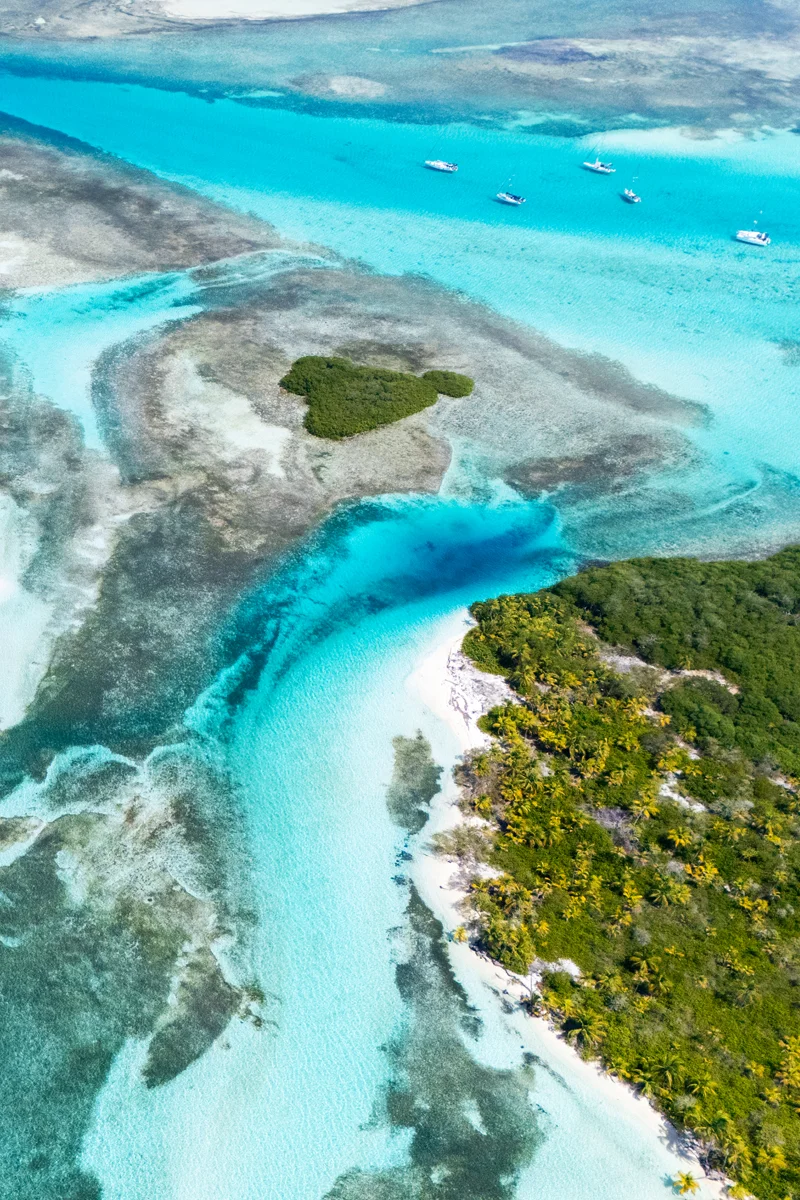
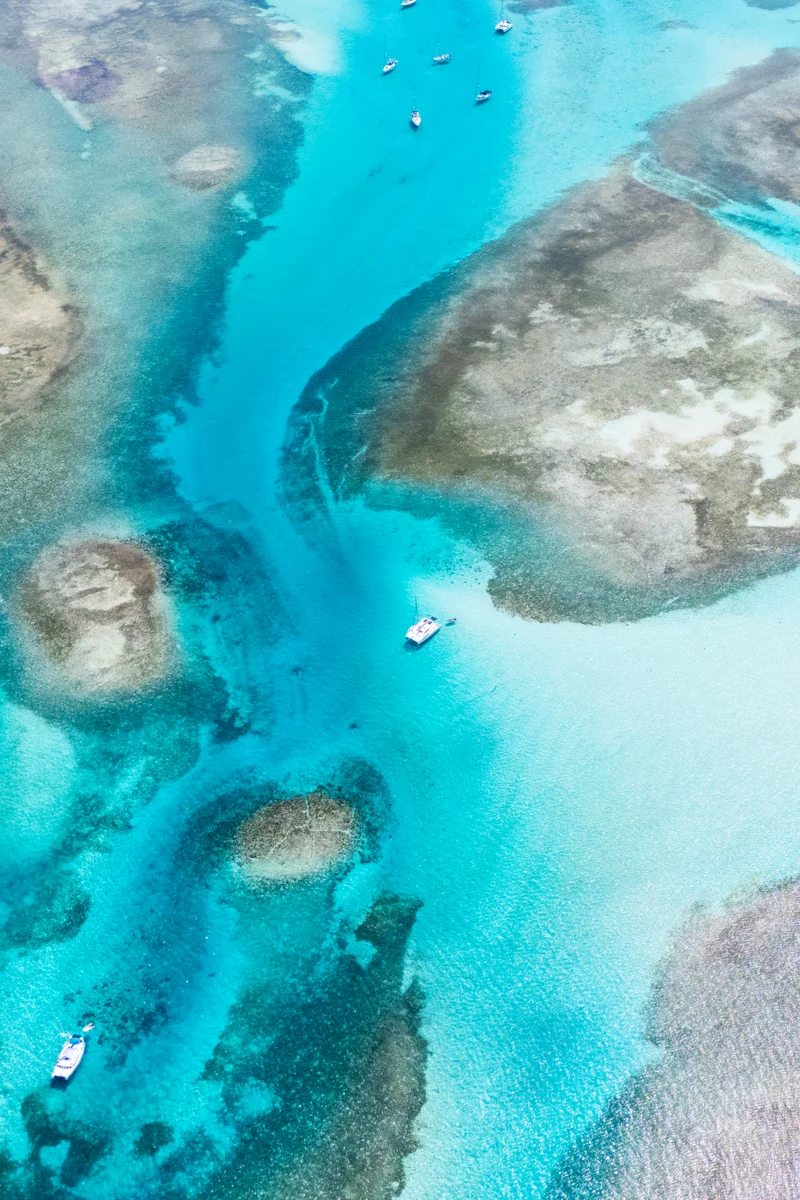
After breakfast, sail to the Dutch Cays, one of the most remote and pristine corners of Guna Yala. This off-grid cluster of around 20 uninhabited islands is known for vibrant coral and glowing turquoise water, with some of the best snorkeling and beaches in the Caribbean.
The first stop is Isla Quinquindup, where your boat may well be the only one anchored. The reef is reachable straight from the beach. There’s a good chance you’ll meet the friendly local fisherman and his two dogs who live on the island.
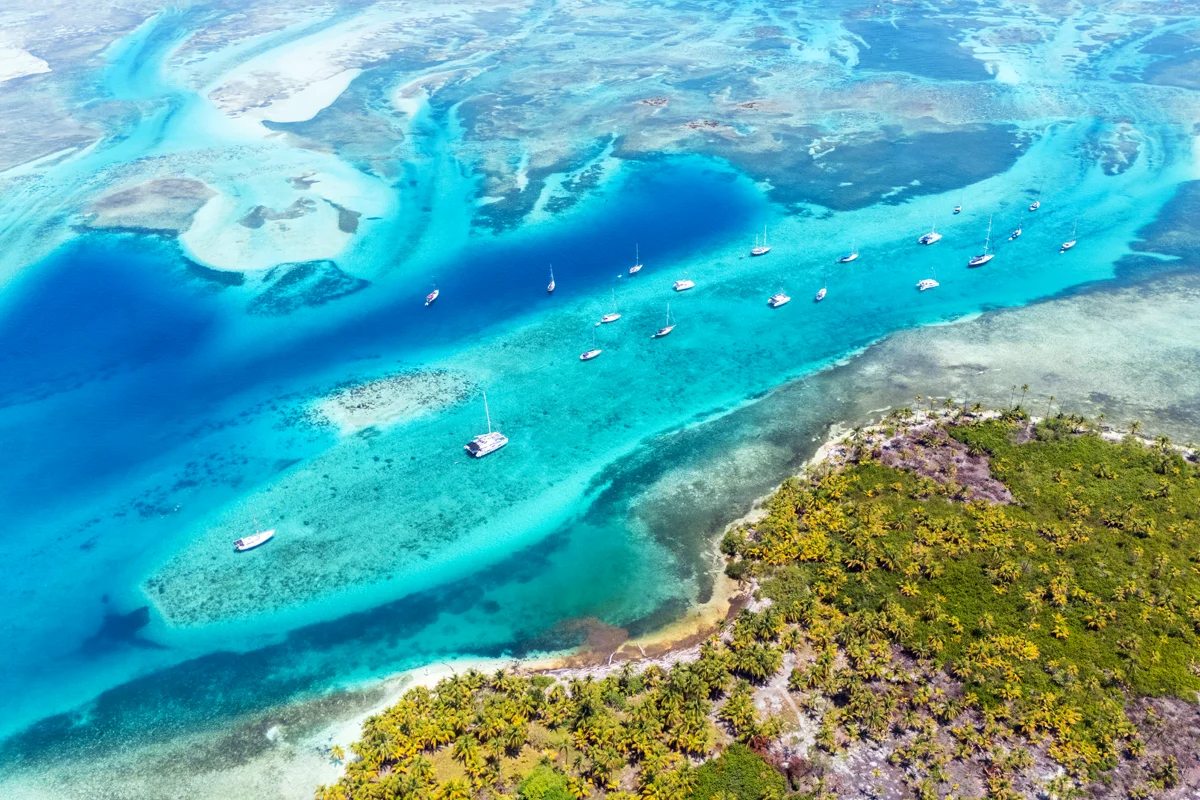
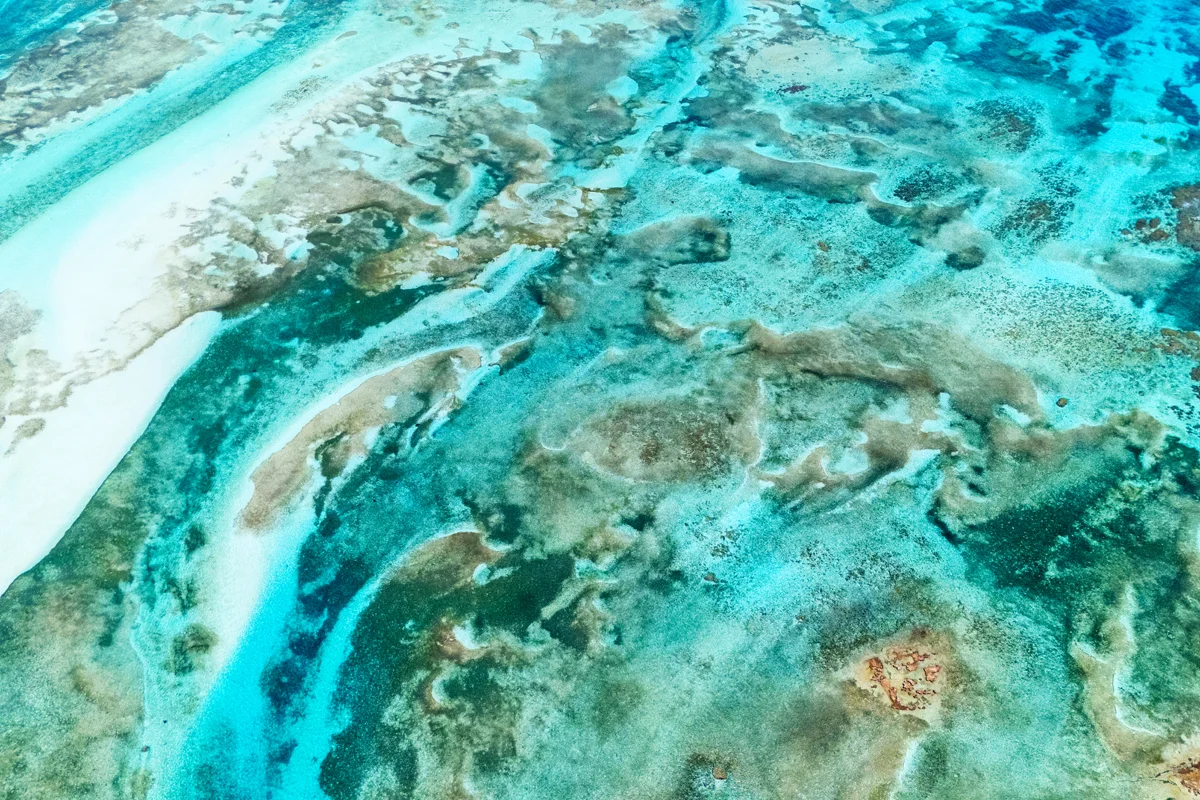
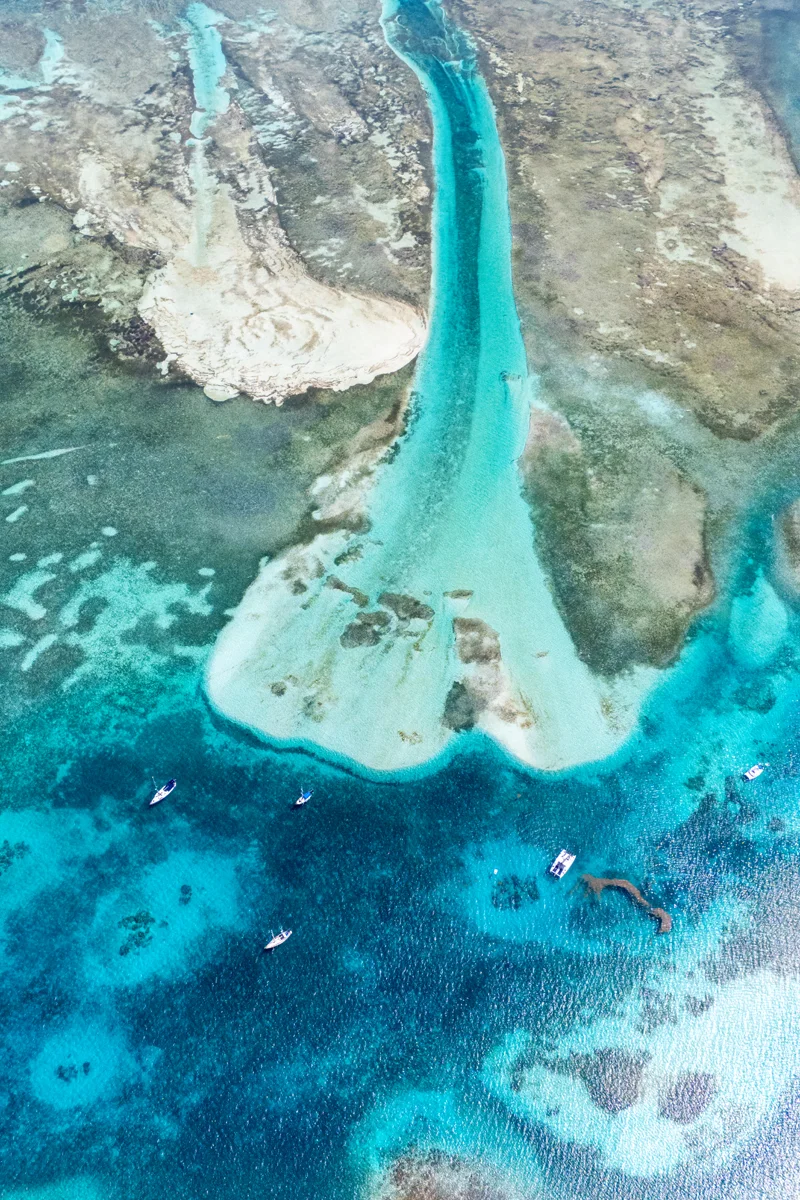
From there it’s a short sail to the Swimming Pool, a shallow, calm stretch of clear water sheltered by a barrier reef, with a sandy floor home to a large population of starfish. Several small islands nearby are easy to explore by dinghy, with chances to meet Guna families along the way.
Day 6: Los Bajos Lagoon
In the morning, sail to Los Bajos Lagoon, the most secluded part of the Dutch Cays. The water turns an almost surreal turquoise here. It’s a place to slow down: a hammock under the palms, a paddle over the calm water on a SUP. Lunch is a beach BBQ with freshly caught whole fish, a quintessential San Blas Islands experience.
In the afternoon, visit Prado, the master mola maker. These handmade textile panels are a Guna art form and one of the best souvenirs to bring home. Framed on a wall, sewn into a pillow, or used as a placemat, a mola carries a piece of the islands with it.
Day 7: Narganá and Río Diablo
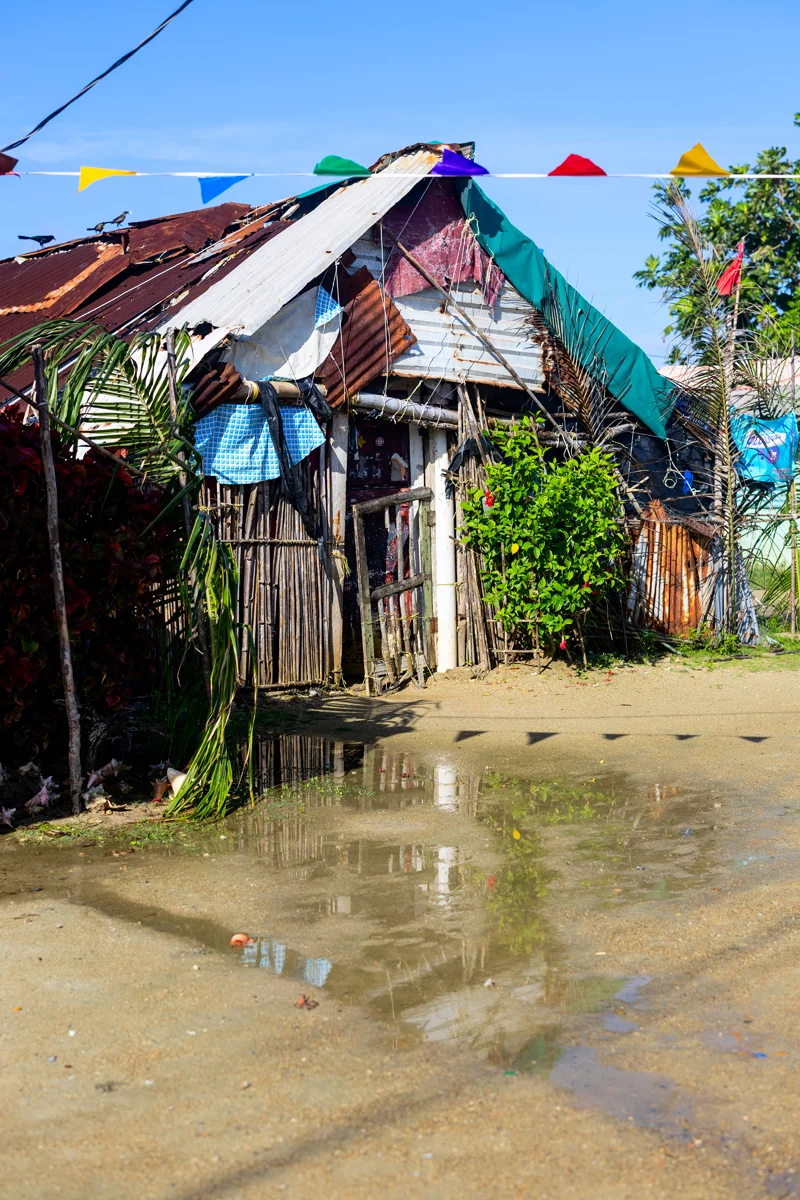
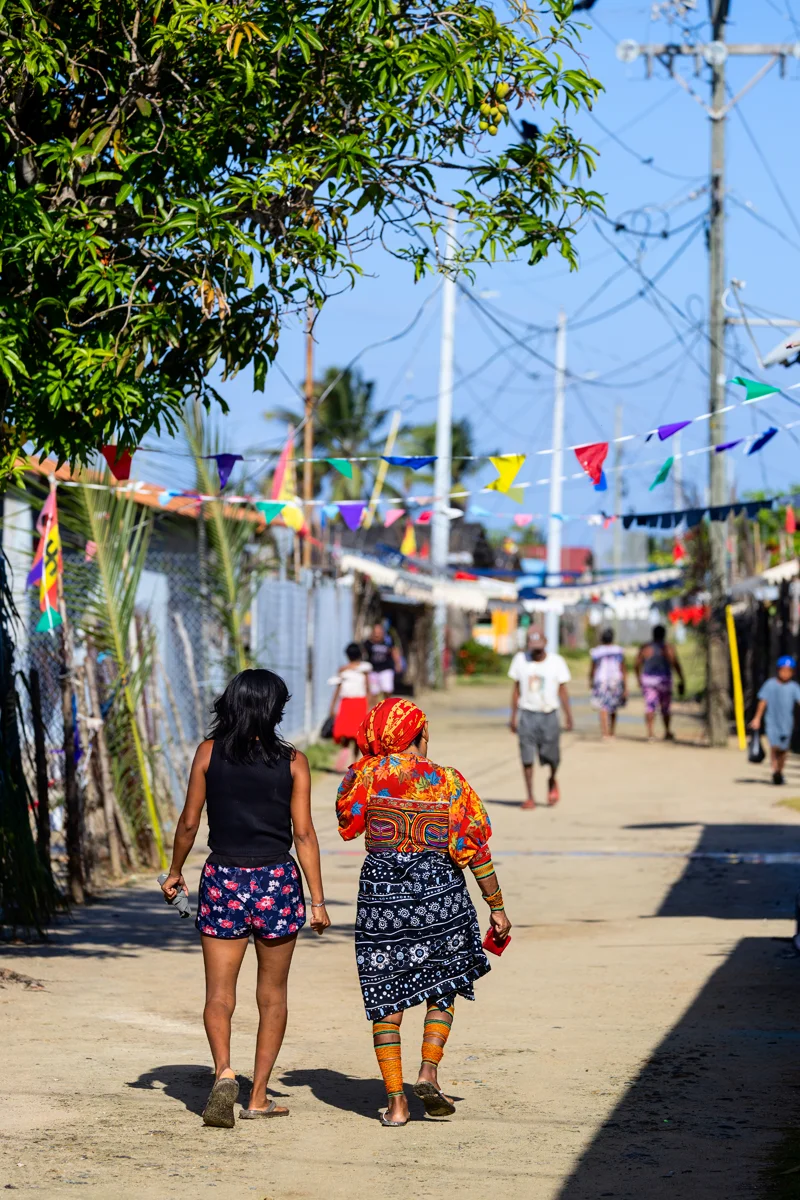
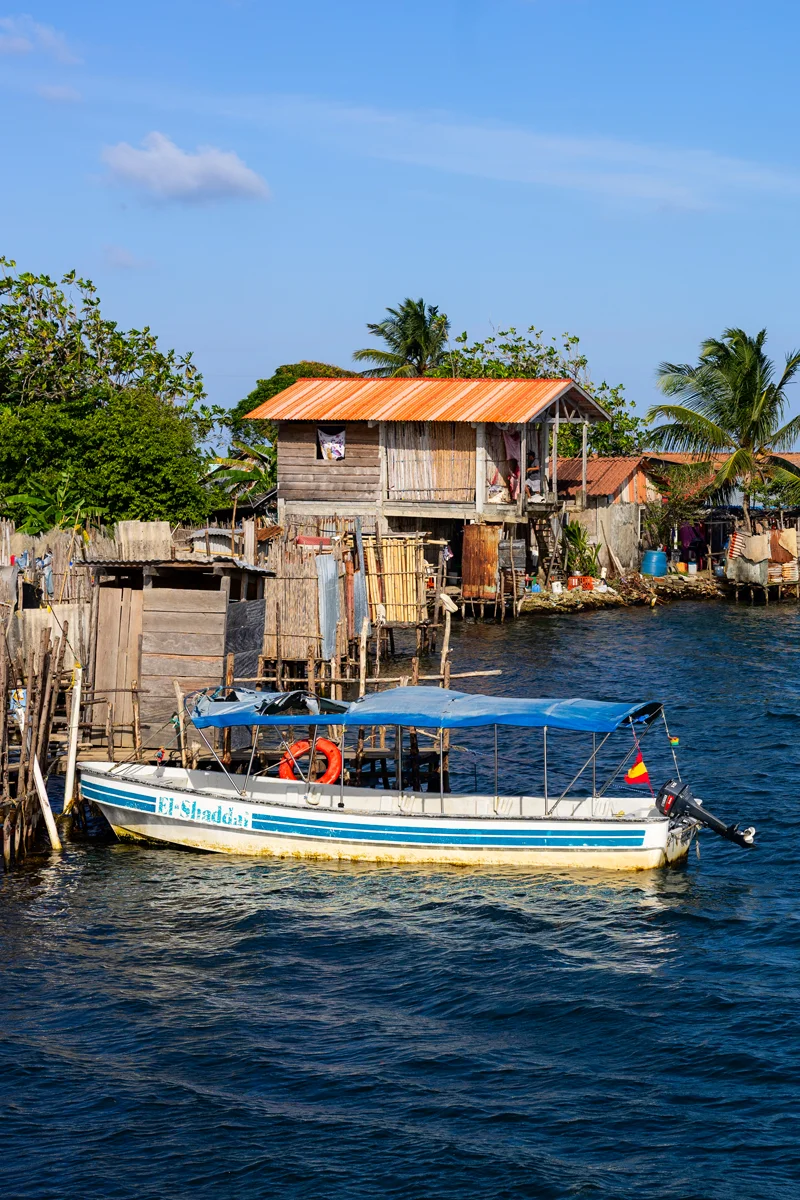
Sail back toward Narganá, the region’s unofficial capital, with time to stop at a small uninhabited island for one more swim along the way. In the afternoon, explore Narganá and neighboring Corazón de Jesús, linked by a footbridge. Unlike the more traditional Guna villages, Narganá is more westernized, blending indigenous culture with modern Panamanian life.
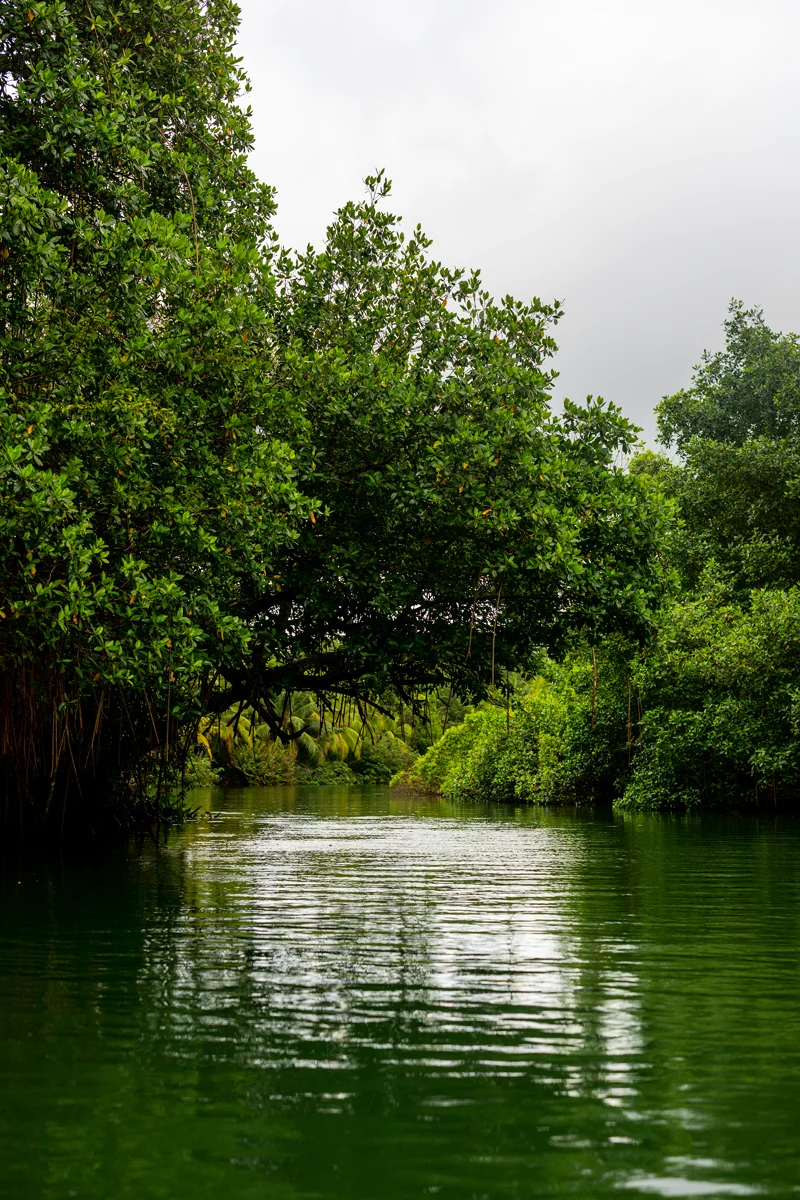
To close the day, a dinghy safari up the Río Diablo swaps beaches for a short jungle adventure, a nice contrast to days spent at sea.
Day 8: Arrive in Bocas del Toro
The next stop on this Panama itinerary is Bocas del Toro. After breakfast, you’ll fly back to Panama City’s Albrook Airport (PAC) to connect to your flight to Bocas del Toro International Airport (BOC). There may be time to wander Bocas Town on the main Colón Island, and we recommend lunch at JJ’s right on the Bocas docks, where the La Loma transfer to Bastimentos Island leaves at 4:00 PM.
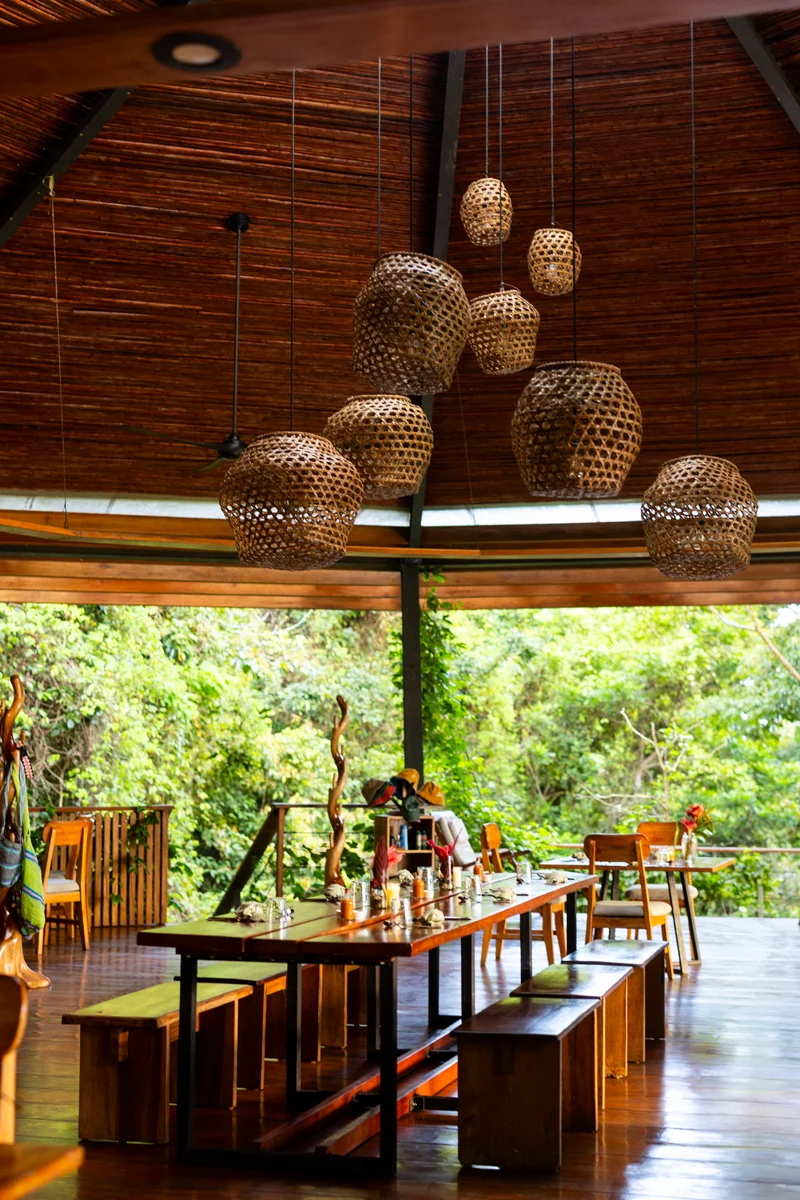
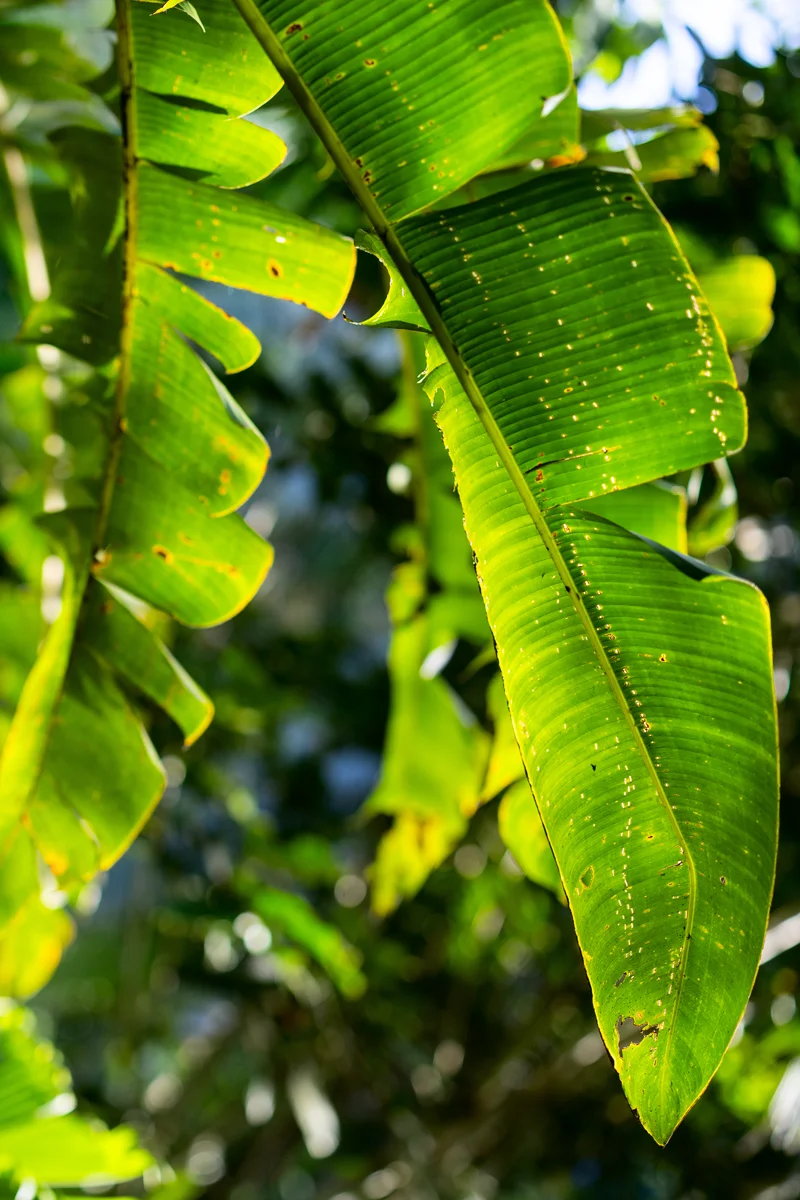
Settle in at La Loma Jungle Lodge, your home in the Panamanian jungle for the next four days. With open-air bungalows built into the canopy, it’s full-on eco-luxury, with farm-to-table dining and wildlife that comes to you: sloths, capuchin monkeys, woolly opossums, poison dart frogs, and tropical birds.
After dinner, join a naturalist guide for a night walk in search of nocturnal creatures.
Day 9: Cacao Tour and Red Frog Beach
Wake to the sound of the jungle stirring, with cocoa tea and chocolate cookies delivered to your room.
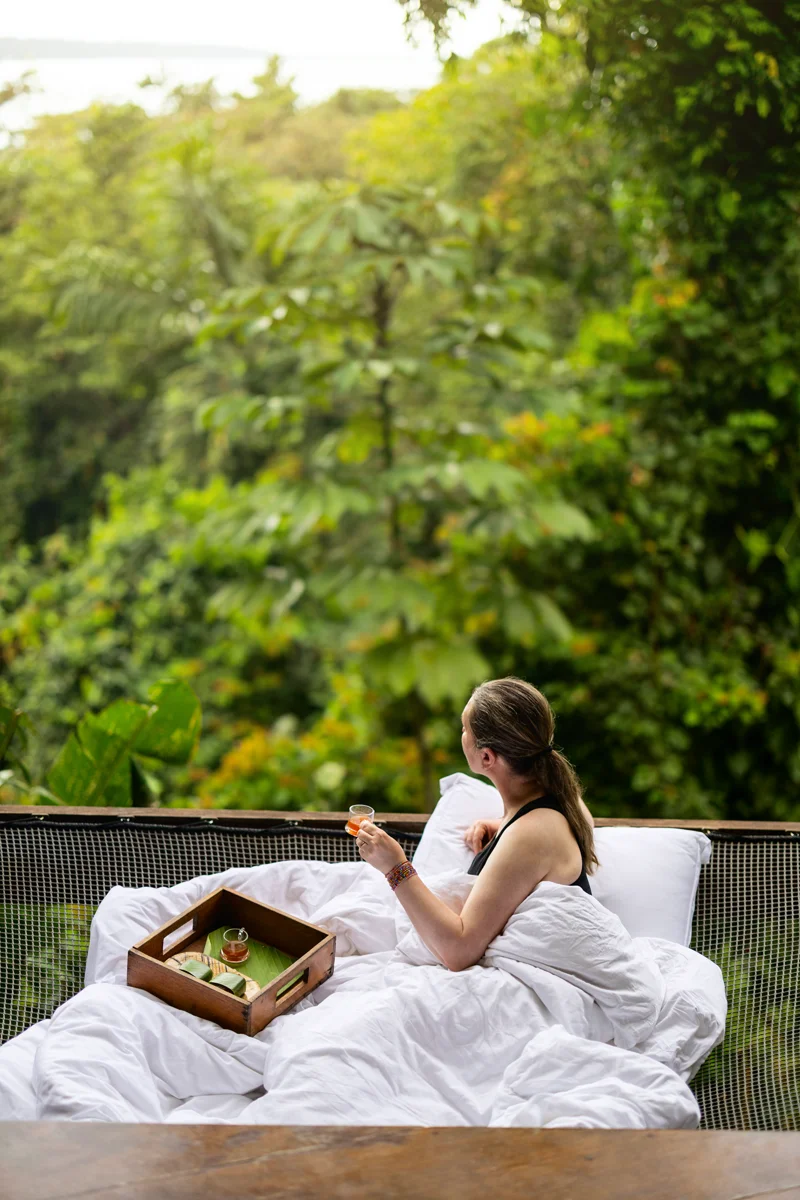
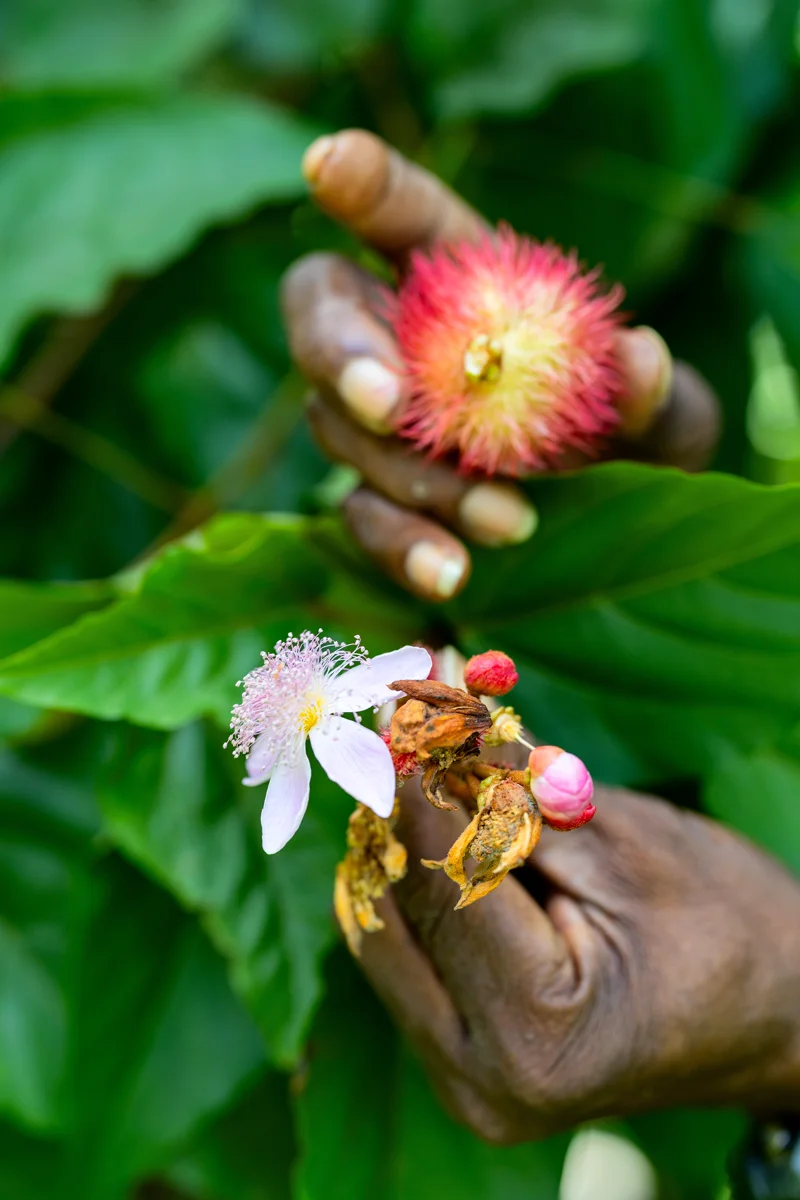
After breakfast, join the complimentary Permaculture and Cacao Tour to learn the process and taste the range of tropical fruits grown on-site. It doubles as a relaxed walk through the property’s trails, with sloths and other animals often spotted along the way.
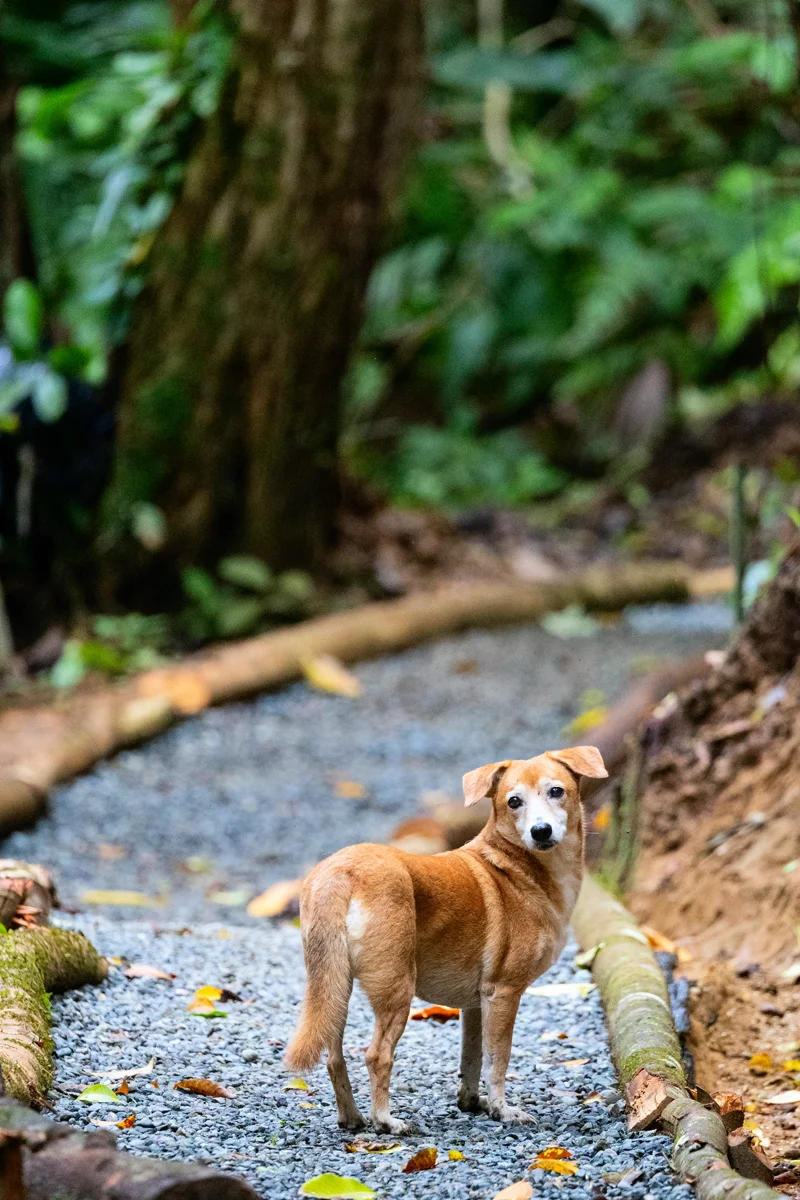
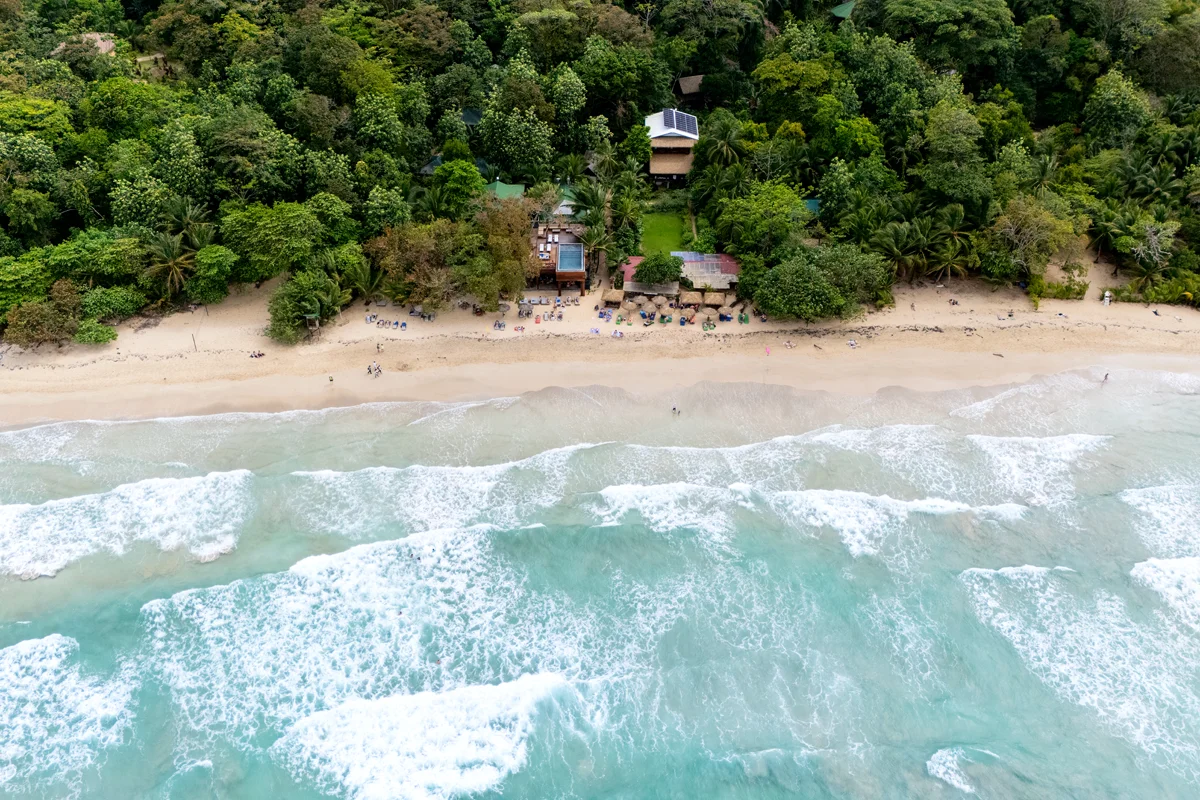
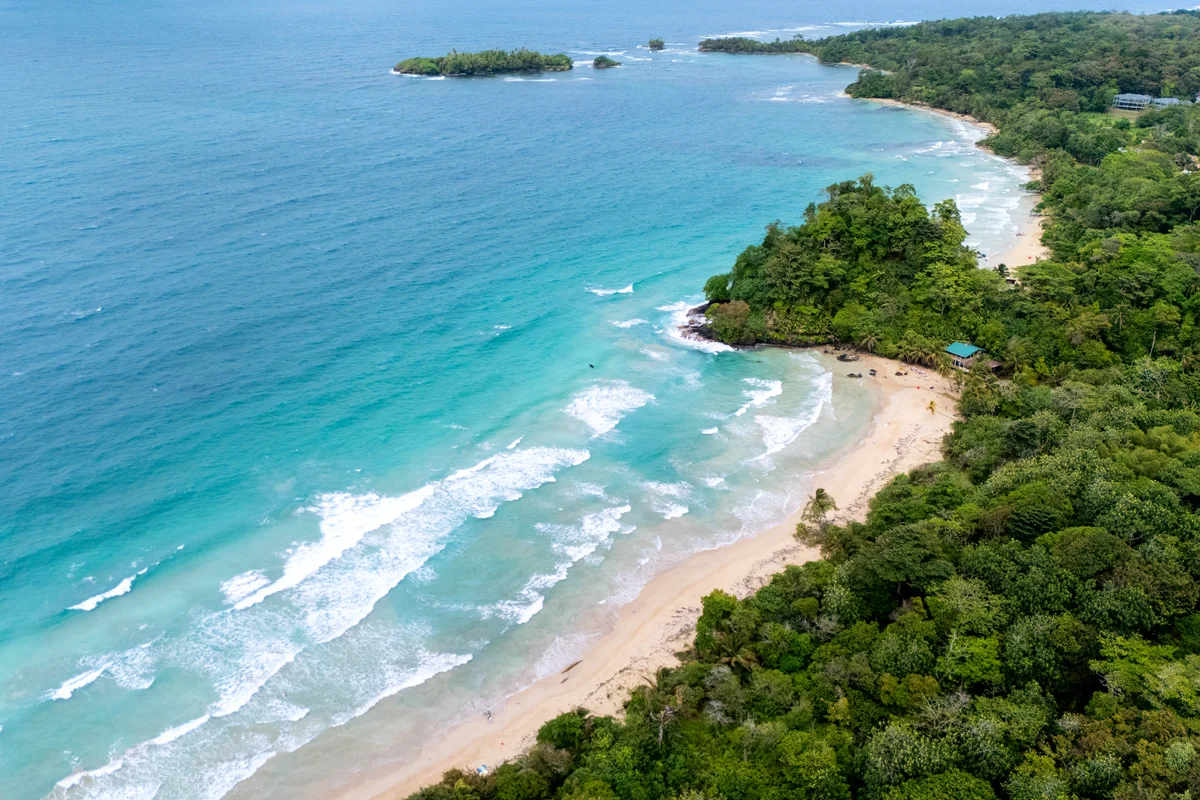
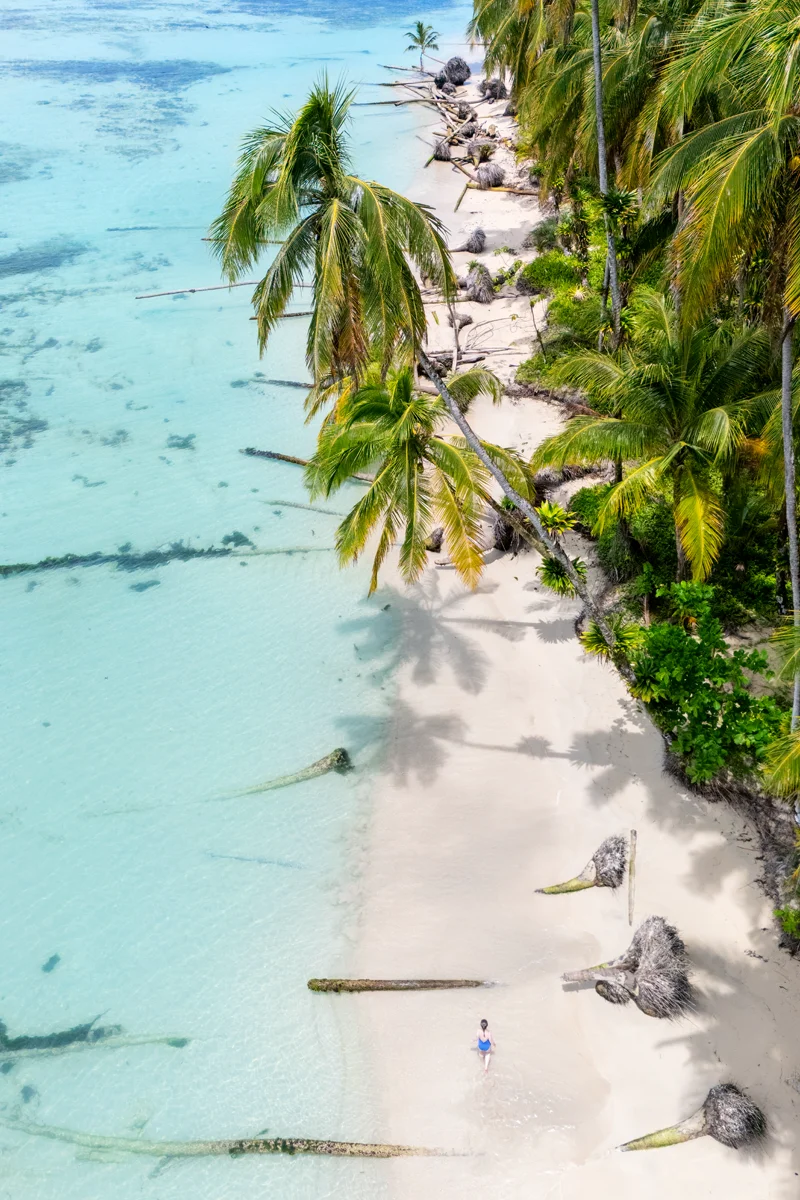
Later, take a boat over to the Red Frog Beach shortcut. It drops you at the Red Frog Marina dock, where the mangroves are a reliable spot for sloths. And you’ll often find poison red frogs right next to the ticket booth. From there, cross the island on foot to the beach. Spend the afternoon on Red Frog Beach itself, or hike on to Polo Beach, known for palm trees leaning over clear water, and a resident local legend named Polo.
Day 10: Zapatilla Island
Take a boat out to the Zapatilla Islands, where the agenda is swimming, white sand, and not much else. You’ll have a packed lunch for a picnic on the beach.
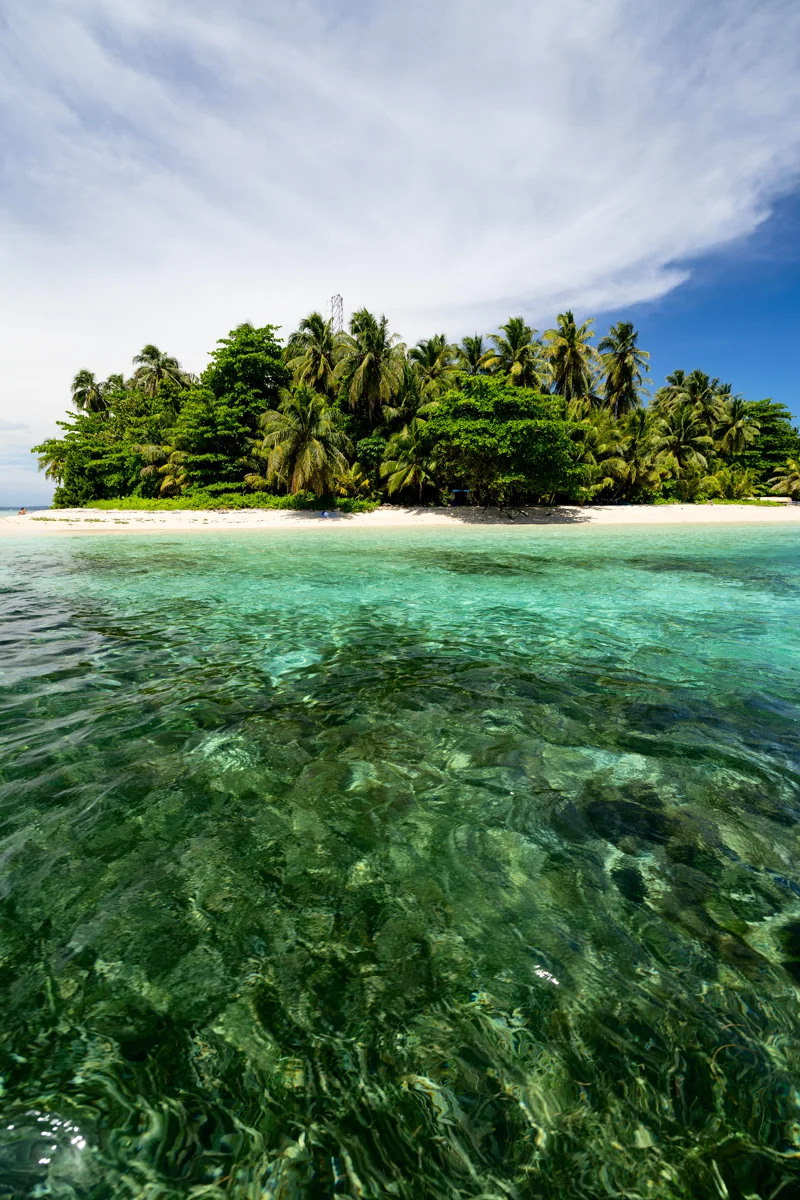
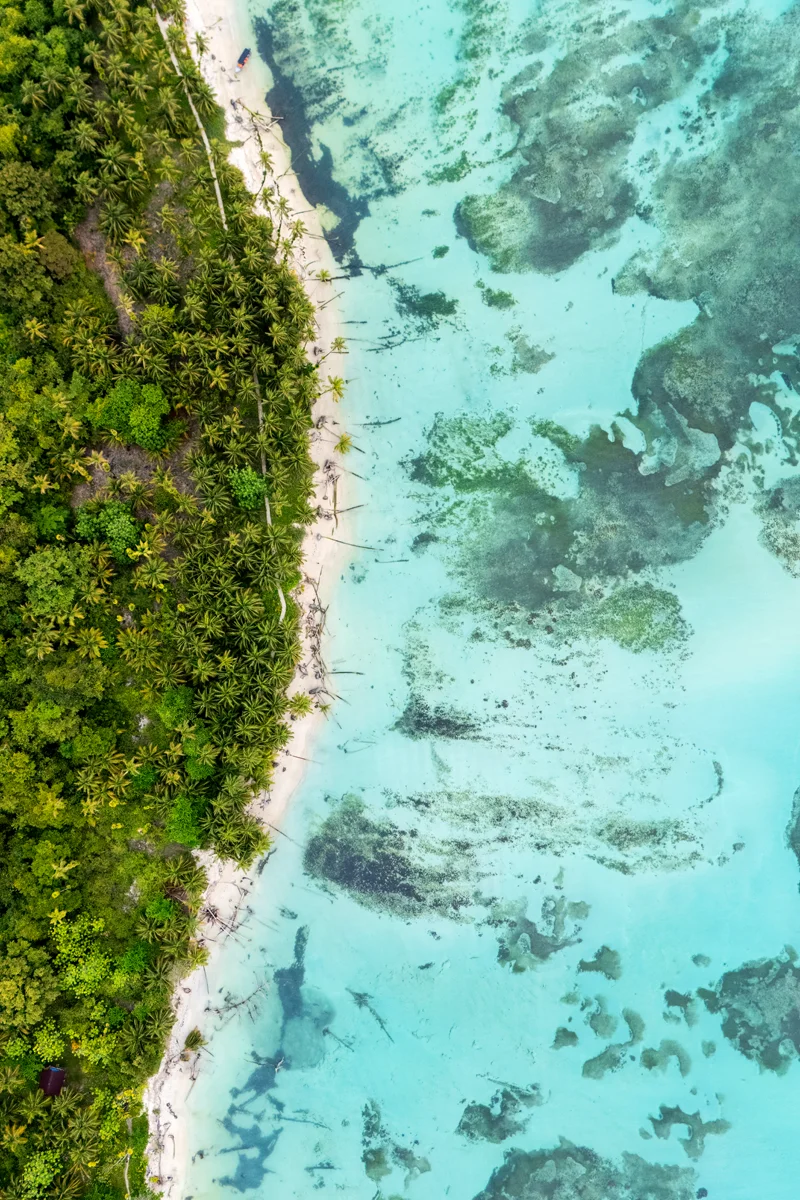
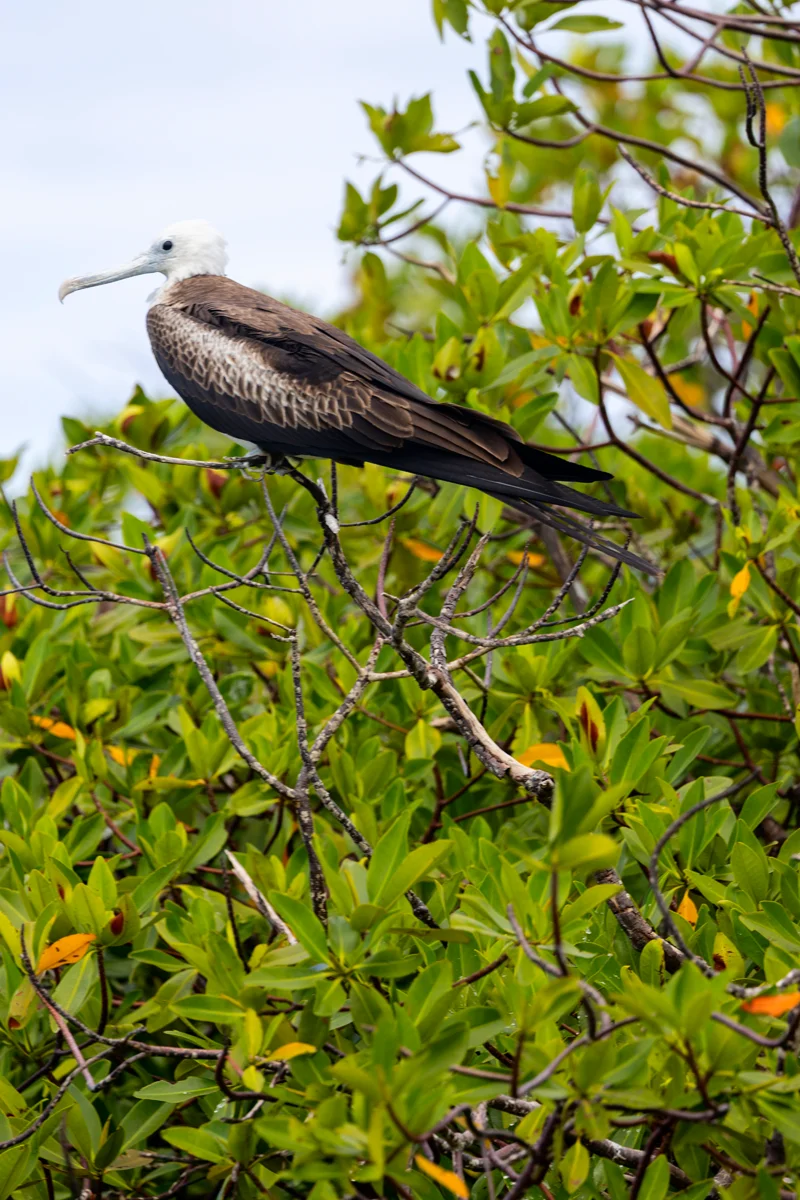
On the way back, stop to snorkel and pass by Sloth Island in search of two-toed and three-toed sloths, with starfish and frigate birds rounding out the day.
Day 11: Wildlife Sightseeing Tour
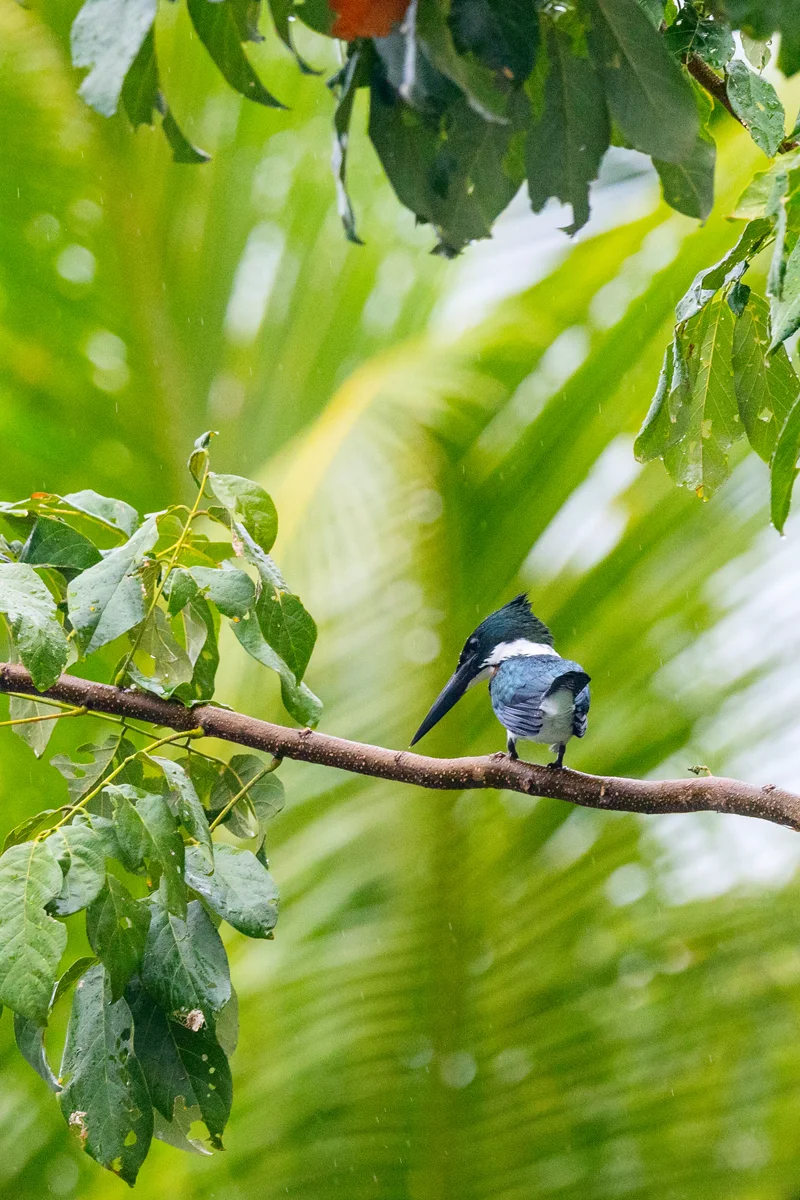
Start early with a birdwatching hike through La Loma’s rainforest, looking for hummingbirds, parrots, kingfishers, and more.
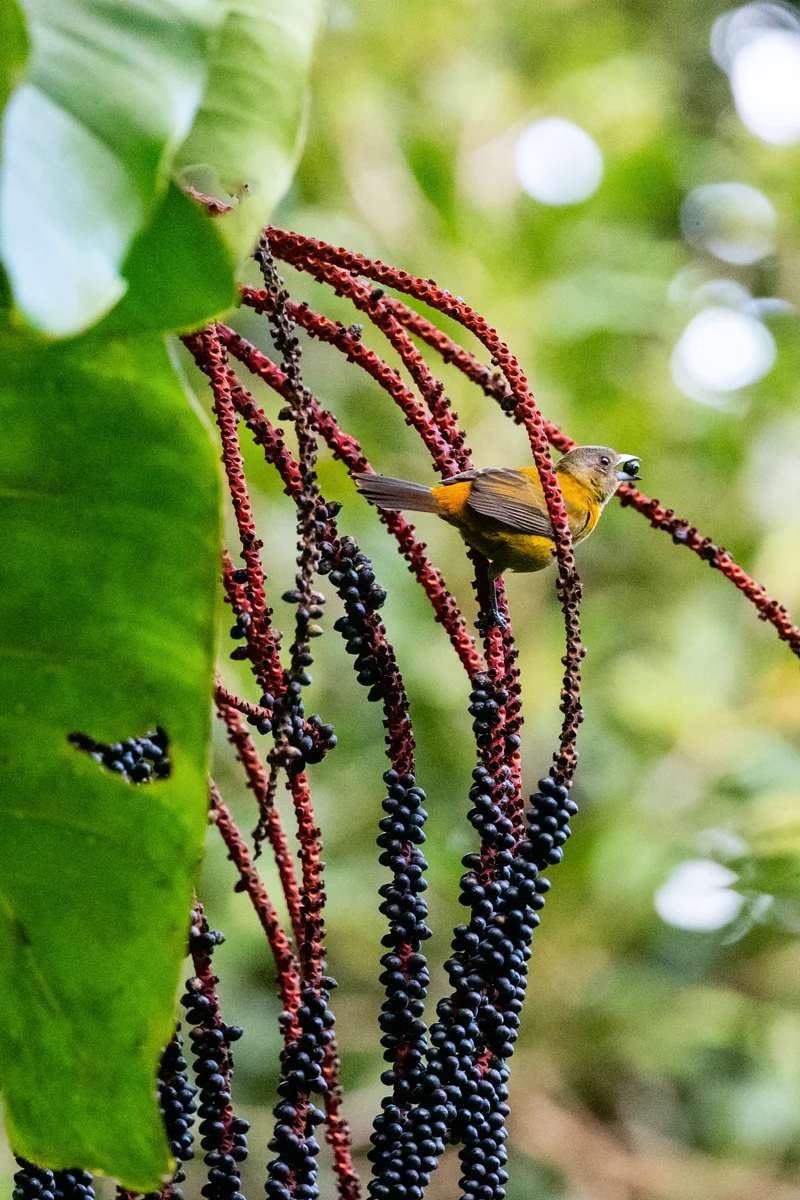
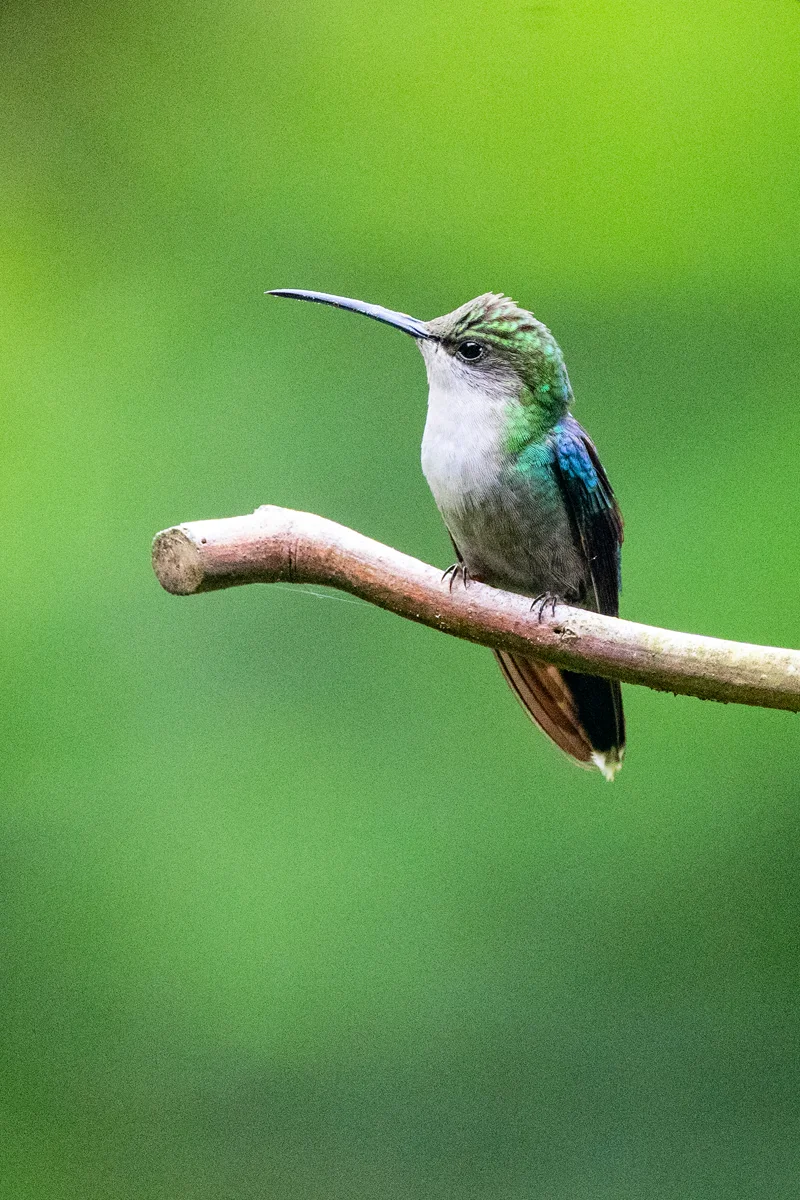
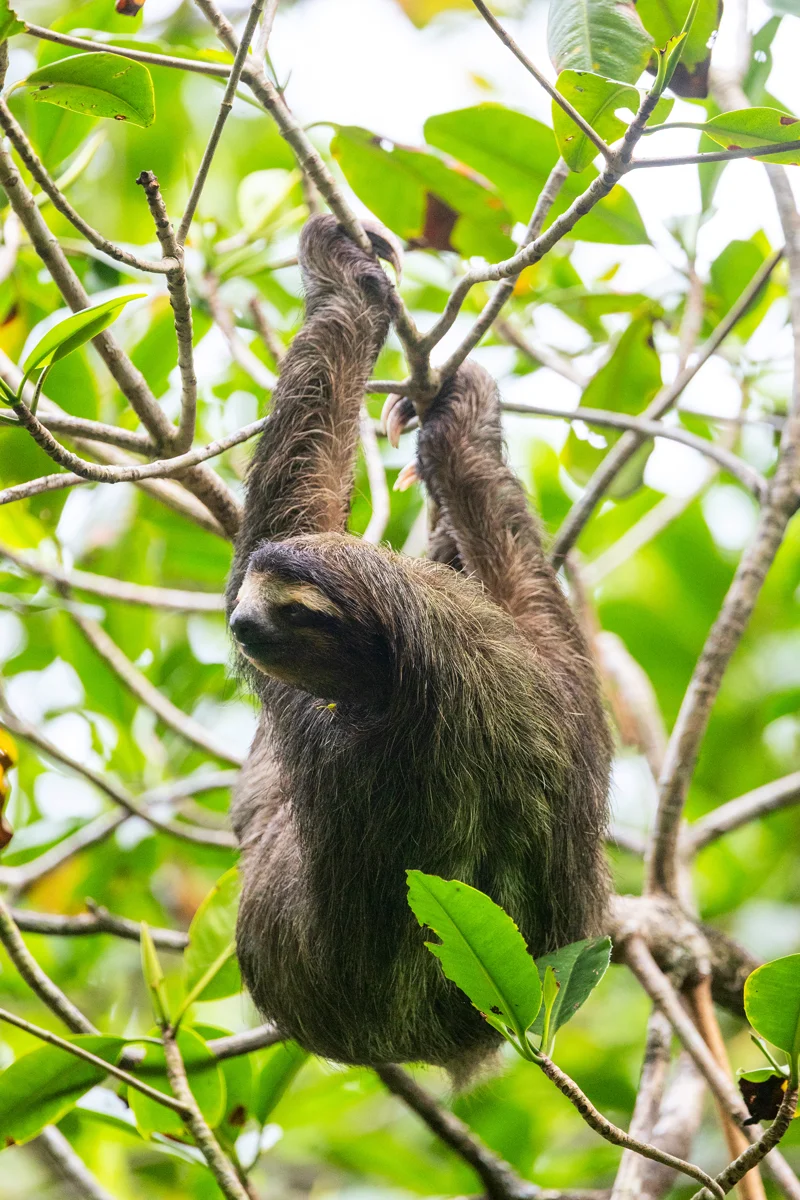
Then head out on a guided wildlife boat tour around Bastimentos Island. It starts with a search for resident pods of bottlenose dolphins, then runs into the Bahía Honda mangrove channel, home to so many sloths that locals call it the “Sloth Trail.” In one hour there, we saw more sloths than in the rest of our time in Panama combined, and the channel itself is serene and beautiful. Capuchin monkeys, kingfishers, and other birds also appear along the channel. The tour finishes with a trek through red frog territory.
In the afternoon, follow La Loma’s private trails to the rock pools, or book a massage in your bungalow with the jungle as the soundtrack.
Day 12: Arrive in El Valle de Antón
Time to leave the jungle behind for the final stop on this Panama itinerary. After breakfast, take the boat transfer back to Colón Island for your flight to Panama City, then a 2.5-hour drive up to El Valle de Antón. If you’re staying at La Compañía Del Valle, its art installations and on-site Fuego restaurant make for an easy first evening.
Day 13: El Valle de Antón Hikes
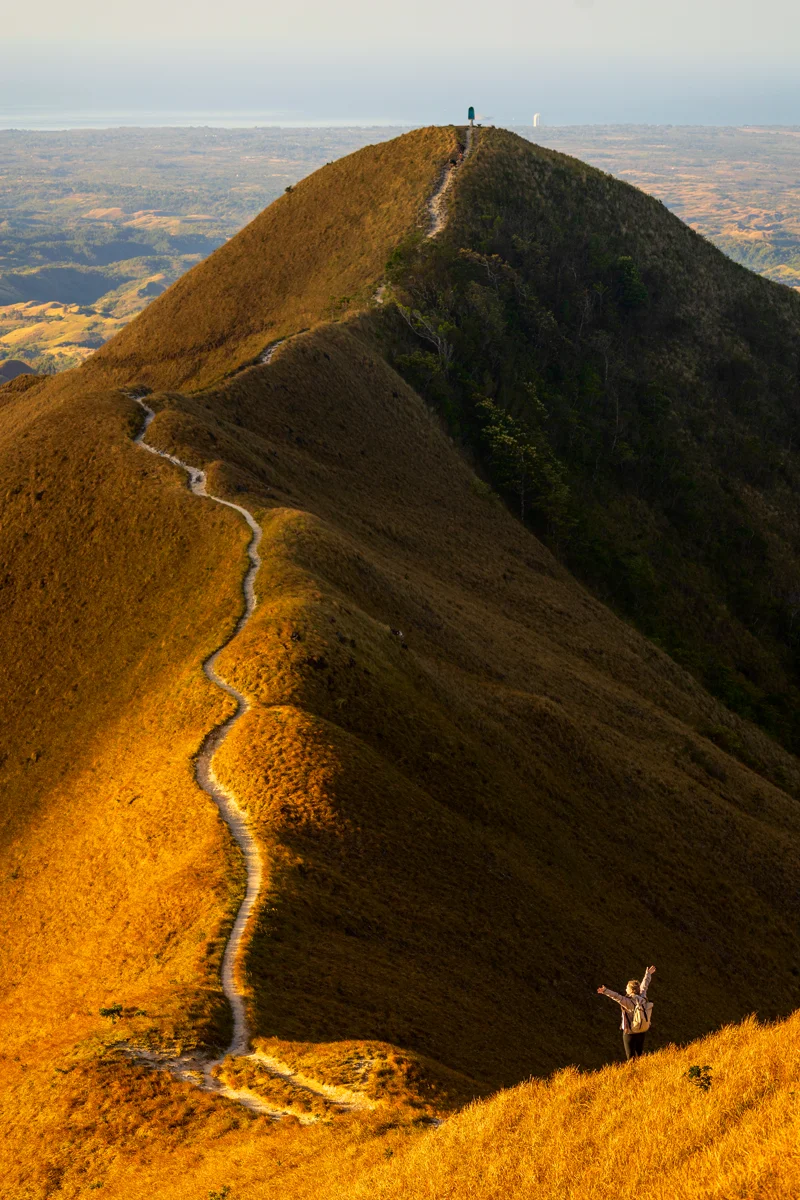
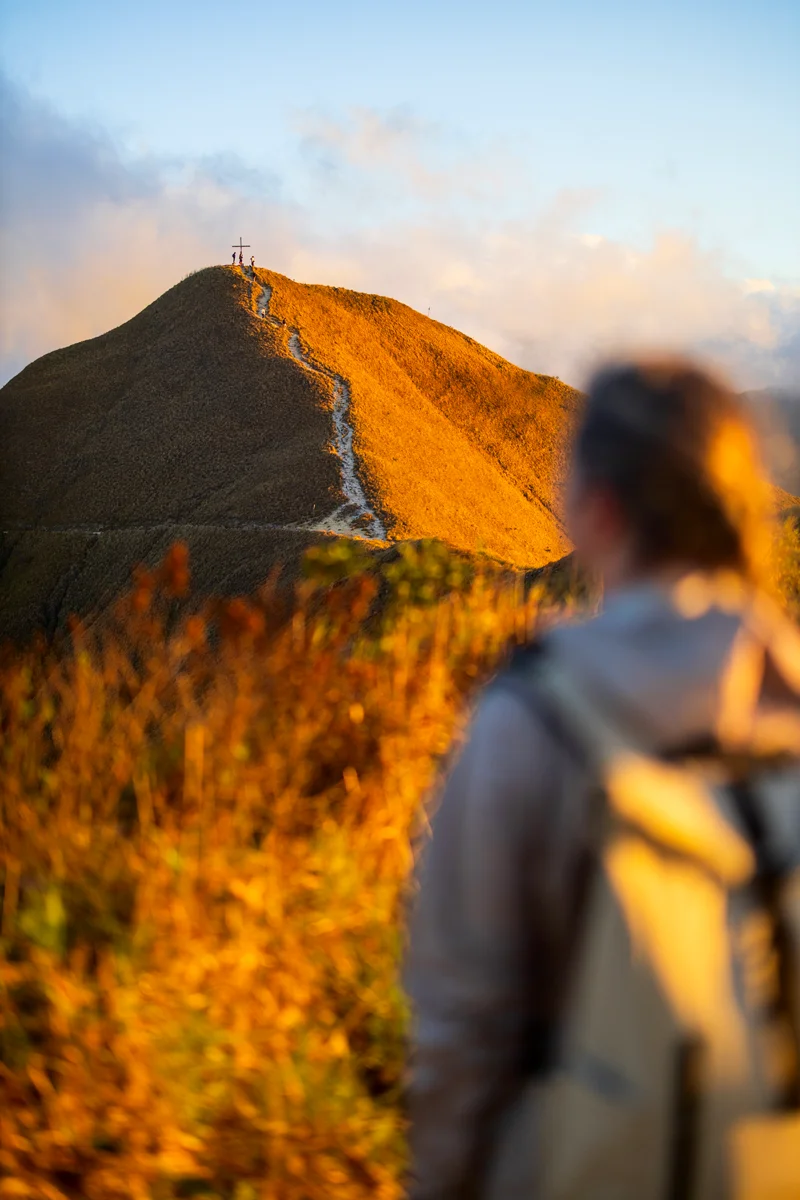
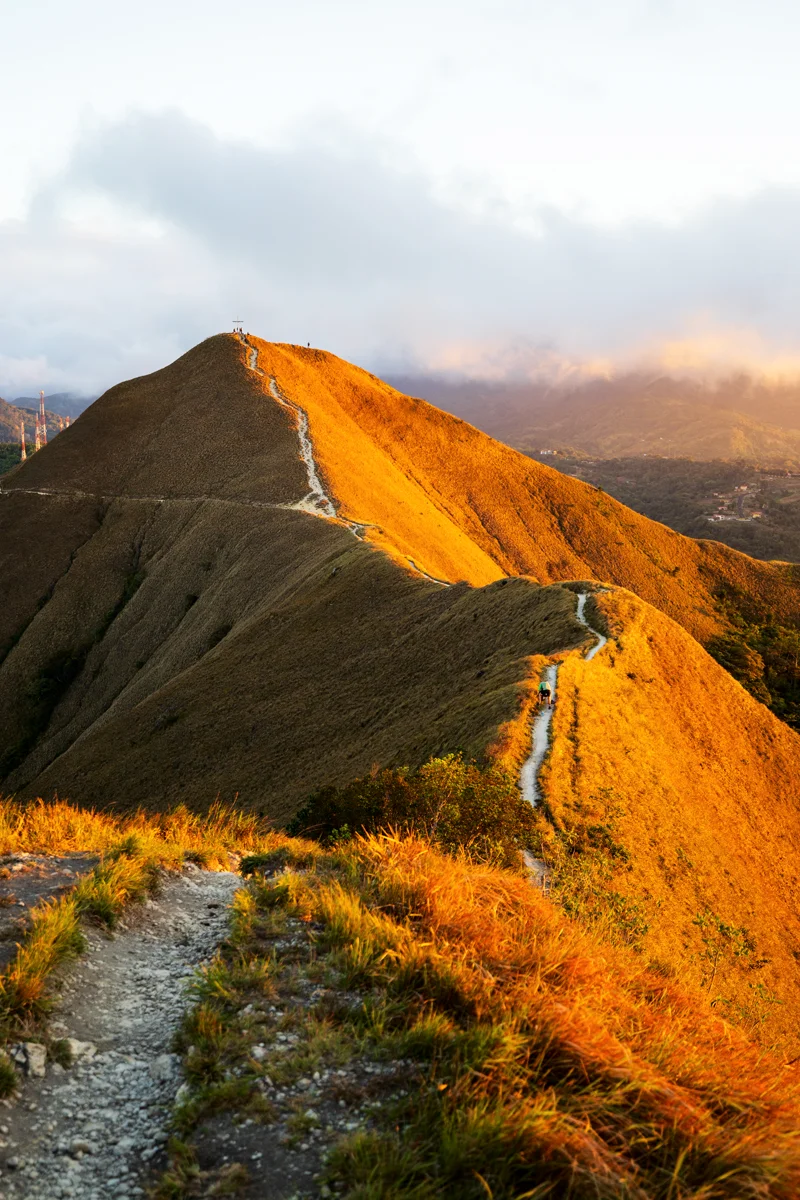
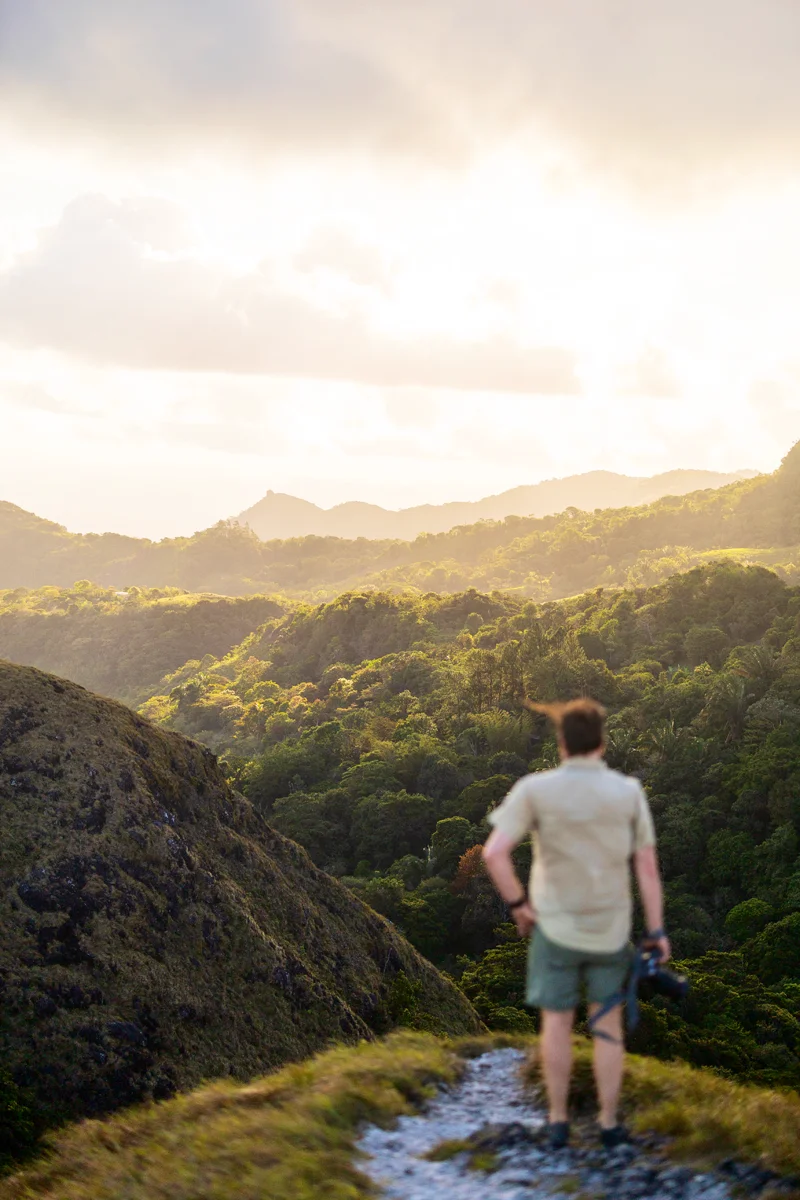
Wake early for a sunrise hike to Cerro La Silla. If there’s one trail we’d single out in El Valle de Antón, this is it. The route follows the ridge of a volcanic crater across two main peaks. It’s the easiest hike in the area, and also the most scenic. Because the trailhead is well outside town, we recommend arranging a taxi or a local guide to handle the round trip without the hassle.
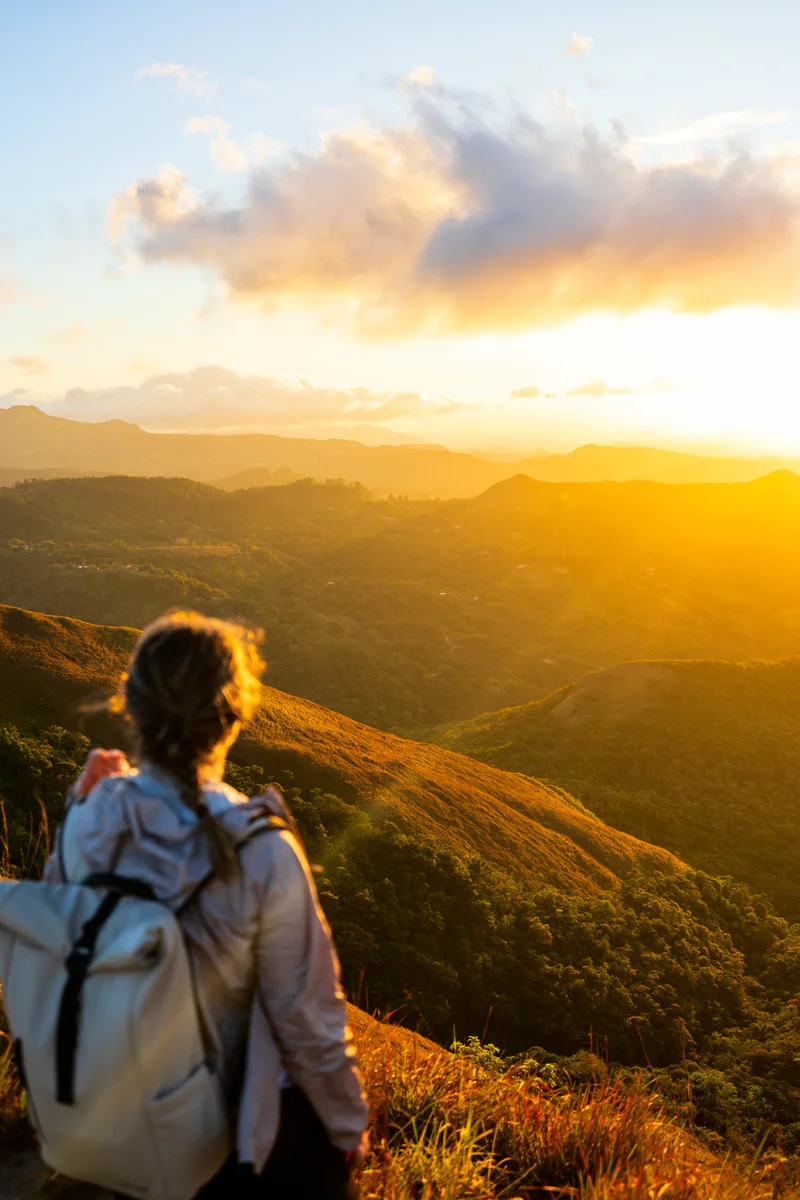
Spend the middle of the day exploring the town or unwinding at a spa. Then, as the light softens, take on a sunset hike up La India Dormida, “The Sleeping Indigenous Girl.” It’s the most popular trail here, with sweeping views over the town and the Cerro La Silla hills. The trailhead starts at Piedra Pintada, a massive volcanic boulder covered in pre-Columbian carvings. Archaeologists suspect the symbols may be an ancient map of the valley, a harvest calendar, or sacred markings. The trail climbs through dense jungle past waterfalls and natural pools. It isn’t especially hard, though a few sections will make you break a sweat.
Day 14: Panama Departure
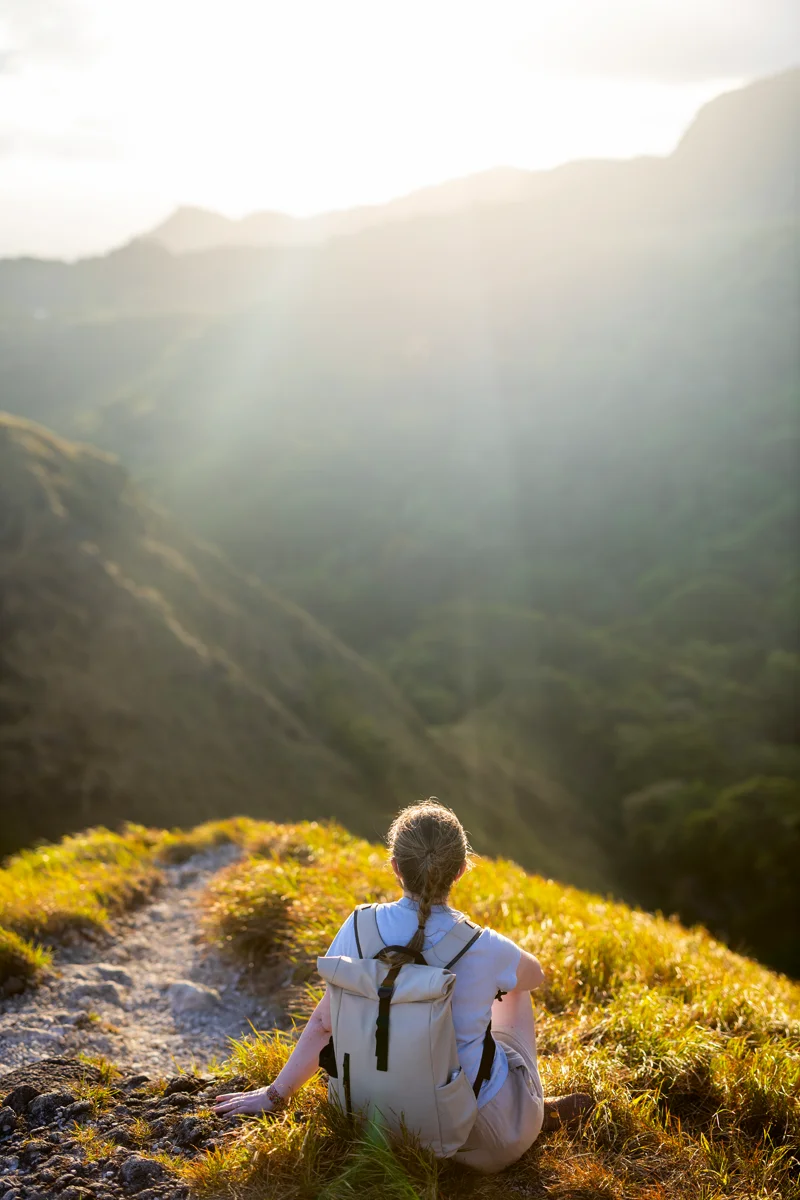
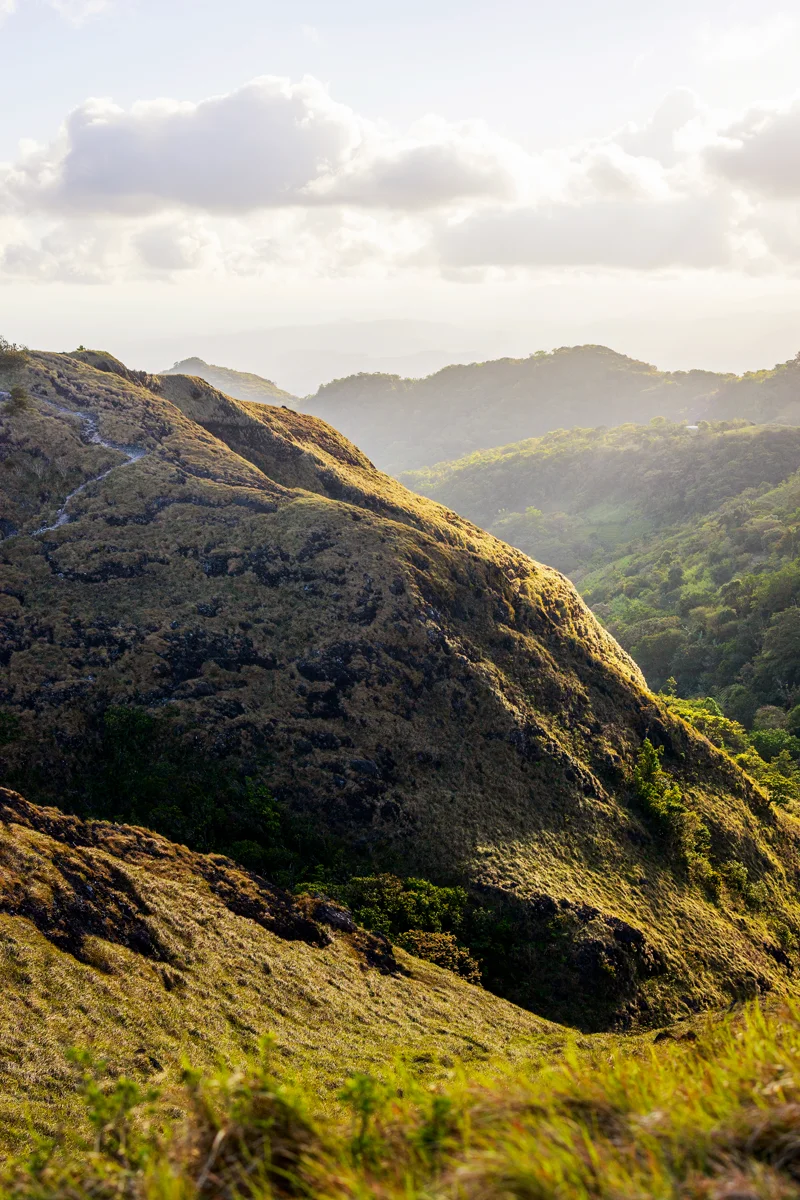
The last day of your Panama itinerary. Depending on your flight, there may be time for one more sunrise hike, and the short version of Cerro Cara Iguana is a fine choice. It opens onto epic views across the crater town and the rolling hills, stretching all the way to the Pacific.
After breakfast, begin the 3-hour transfer back to Tocumen International Airport (PTY) for your flight home.
Frequently Asked Questions