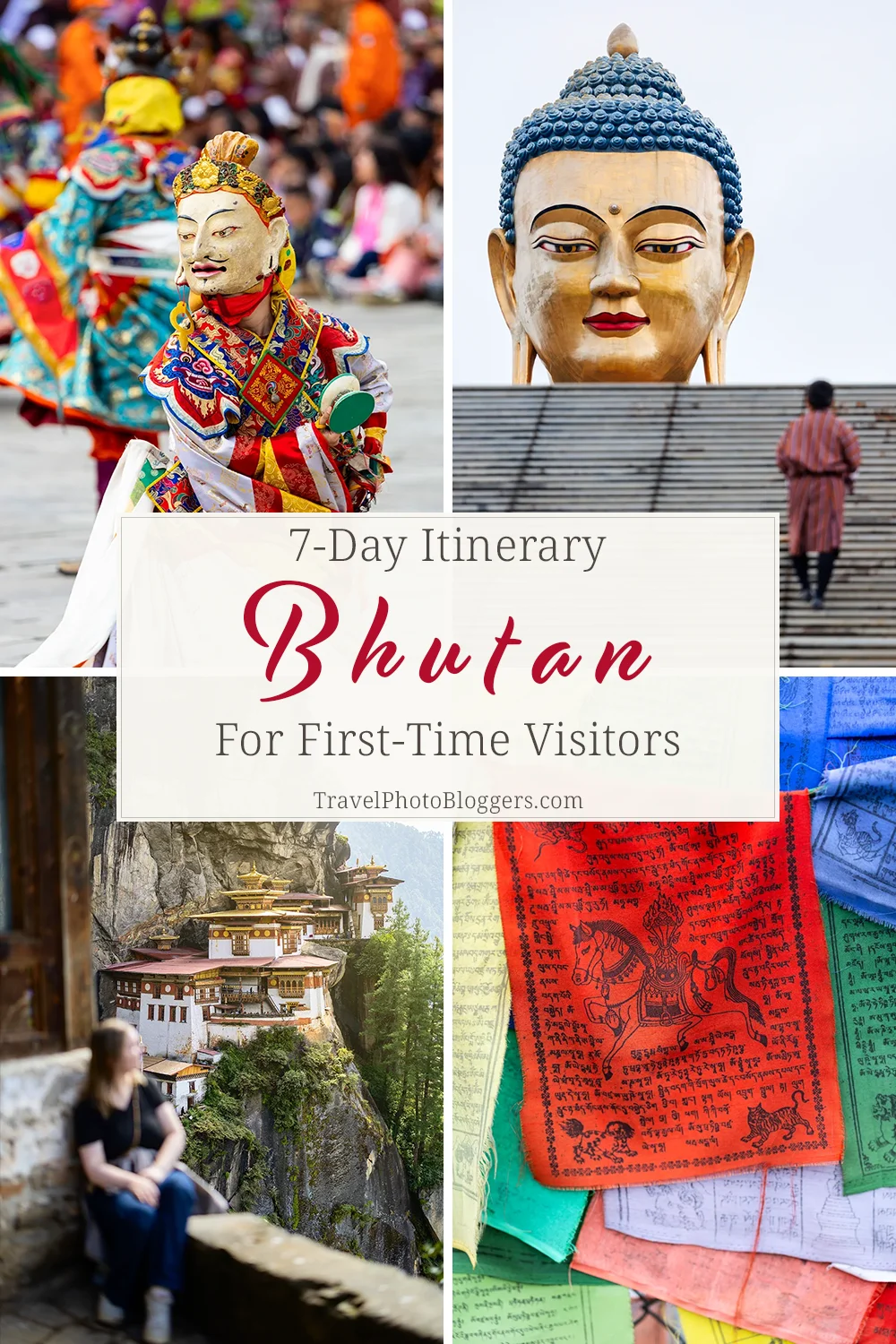
7-Day Bhutan Festival Itinerary For First-Time Visitors
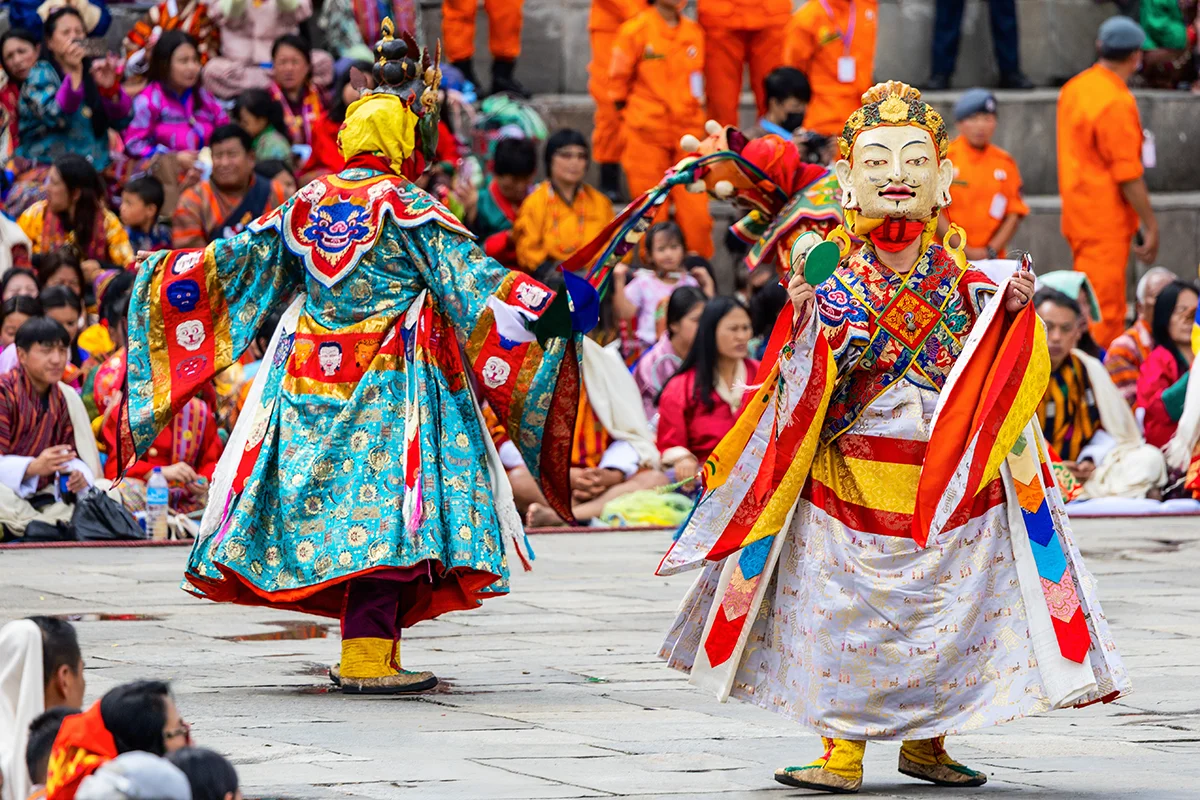
Bhutan festivals, known as tshechus, are deeply rooted in the country’s Buddhist traditions and cultural heritage. These vibrant celebrations feature masked dances, religious ceremonies, and communities coming together in colorful displays that have remained largely unchanged for centuries.
This 7-day Bhutan festival itinerary is designed around two festivals – Thimphu Tshechu and Gangtey Tshechu – giving you a chance to experience both a large-scale celebration and a more intimate local gathering. It’s an ideal introduction to Bhutan for first-time visitors, balancing festival attendance with visits to the country’s most iconic sites.
At A Glance
How To Get To Bhutan
Most international visitors arrive via Paro International Airport (PBH), Bhutan’s only international airport. It is widely considered one of the world’s most challenging airports due to its location deep in the Himalayas, surrounded by peaks over 5,000 meters high. Only a small number of pilots worldwide are certified to navigate the sharp turns and steep descent required to land here.
Bhutan’s two national airlines, Drukair and Bhutan Airlines, operate flights to Paro from Bangkok, Delhi, Dubai, Singapore, and several other Asian cities. With multiple flights daily, connecting through Bangkok is typically the most convenient option for international travelers.
Bhutan Festival Dates 2026
Most Bhutan festival dates follow the Tibetan lunar calendar, so they shift slightly from year to year. This itinerary is built around two back-to-back tshechus.
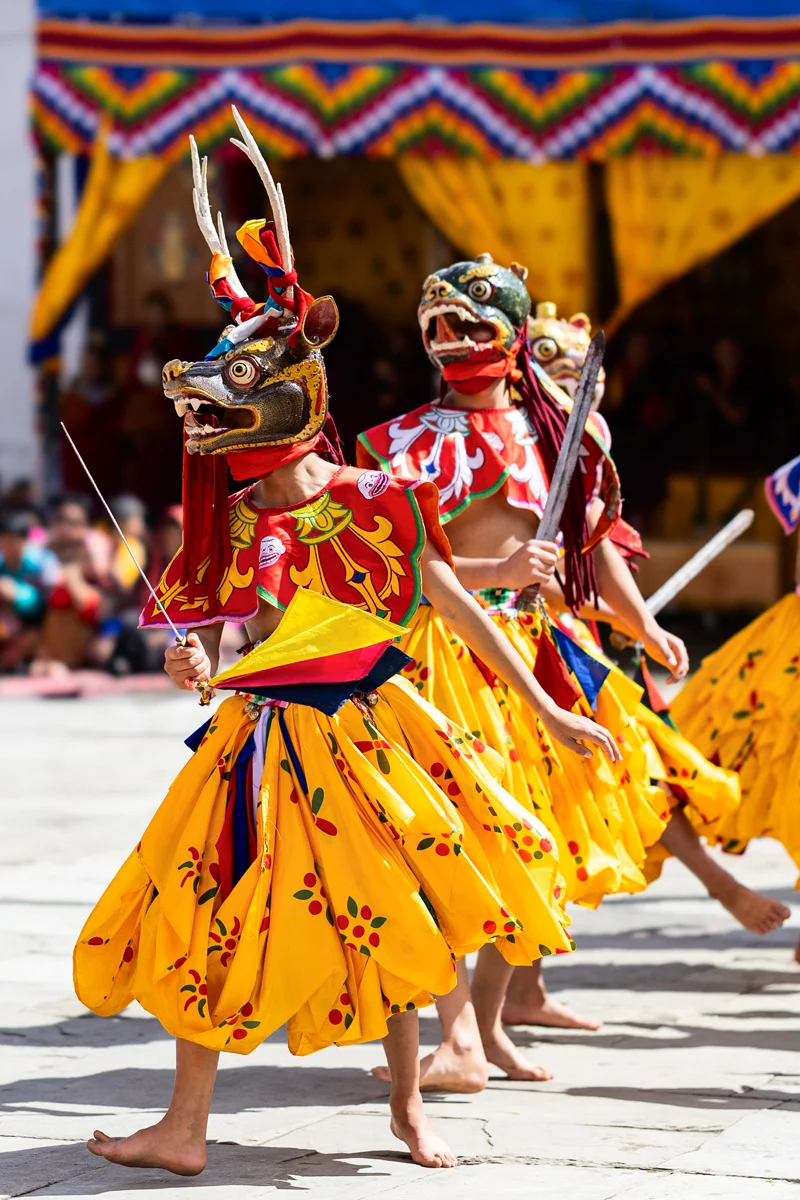
- Thimphu Tshechu (September 21–23, 2026) is Bhutan’s largest and most vibrant festival, drawing locals from across the country to the capital. It’s a spectacular introduction to Bhutanese culture, with elaborate mask dances performed in the courtyard of Tashichho Dzong.
- Gangtey Tshechu (September 24–26, 2026) – a smaller, more intimate celebration held in the scenic Phobjikha Valley.
This 1-week Bhutan itinerary could also be adjusted to visit Wangdue Tshechu (September 19–21, 2026) and Thimphu Tshechu (September 21–23, 2026) instead if slightly earlier dates suit you better. Wangdue Tshechu is held annually in the serene district of Wangdue Phodrang, near Punakha.
7-Day Bhutan Festival Itinerary
Bhutan’s “High Value, Low Impact” tourism policy shapes the way you experience the country – it’s less about ticking off a checklist of sights and more about meaningful, immersive experiences. Here’s what a week in Bhutan could look like.
Bhutan has a strict dress code for visiting temples and religious sites – long pants, a sleeved shirt, and shoes you can easily slip on and off. Photography is prohibited inside all temples.
Day 1: Bhutan Arrival & Thimphu
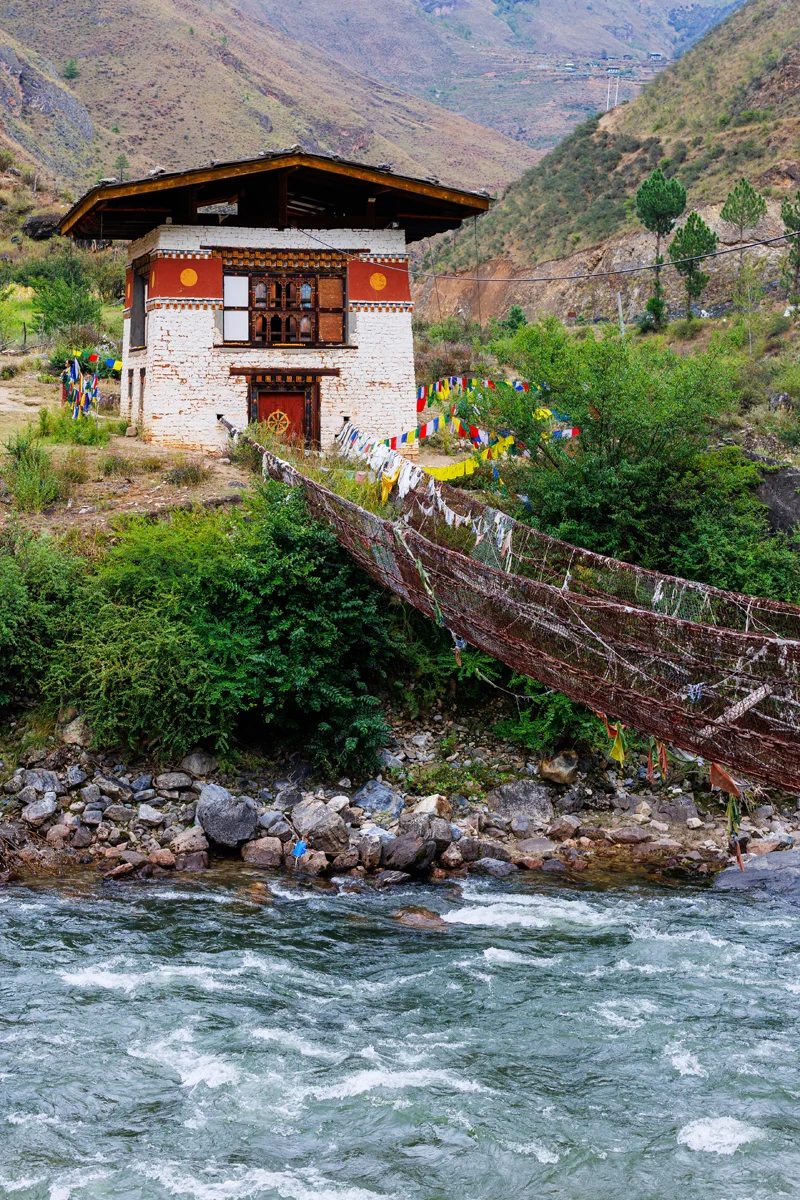
We suggest booking a morning arrival flight to make the most of your first day. After landing at Paro, you’ll begin the 1.5-hour drive to Thimphu through the scenic valley. Along the way, stop at Tachog Lhakhang 📍, a small monastery with a historic iron-chain suspension bridge dating back to the 15th century.

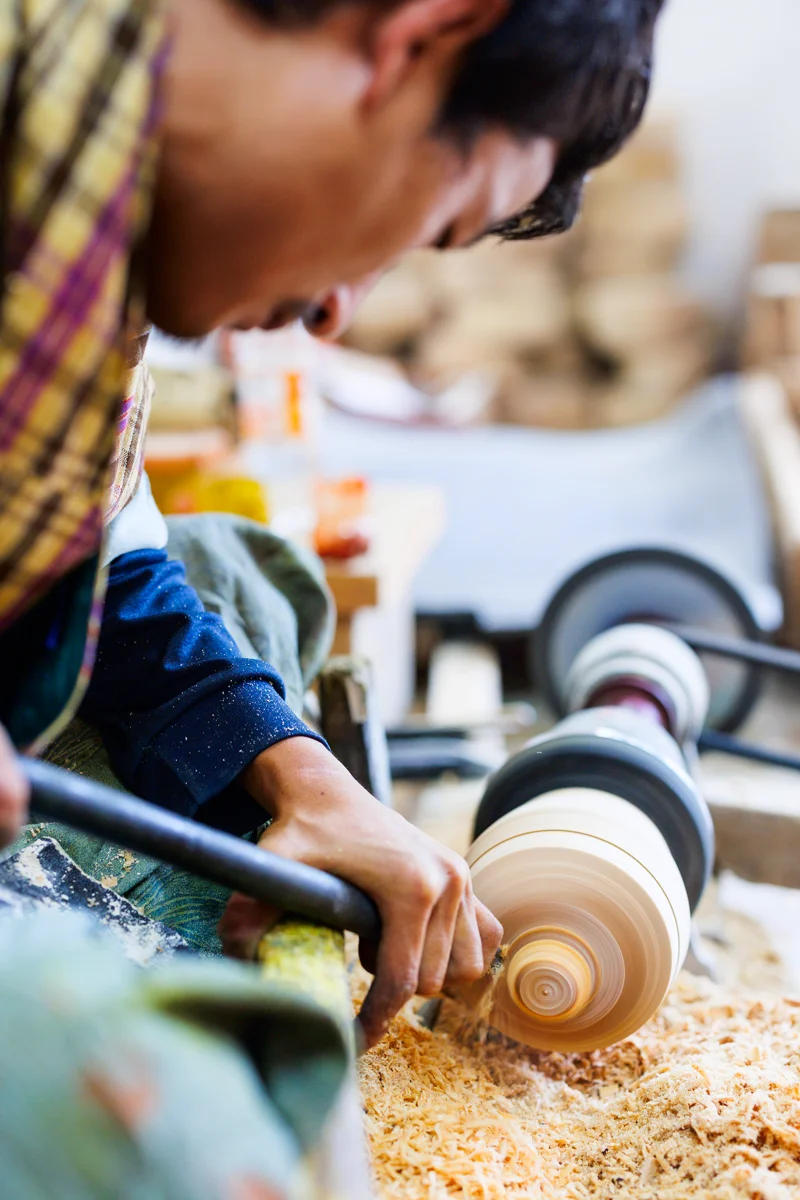
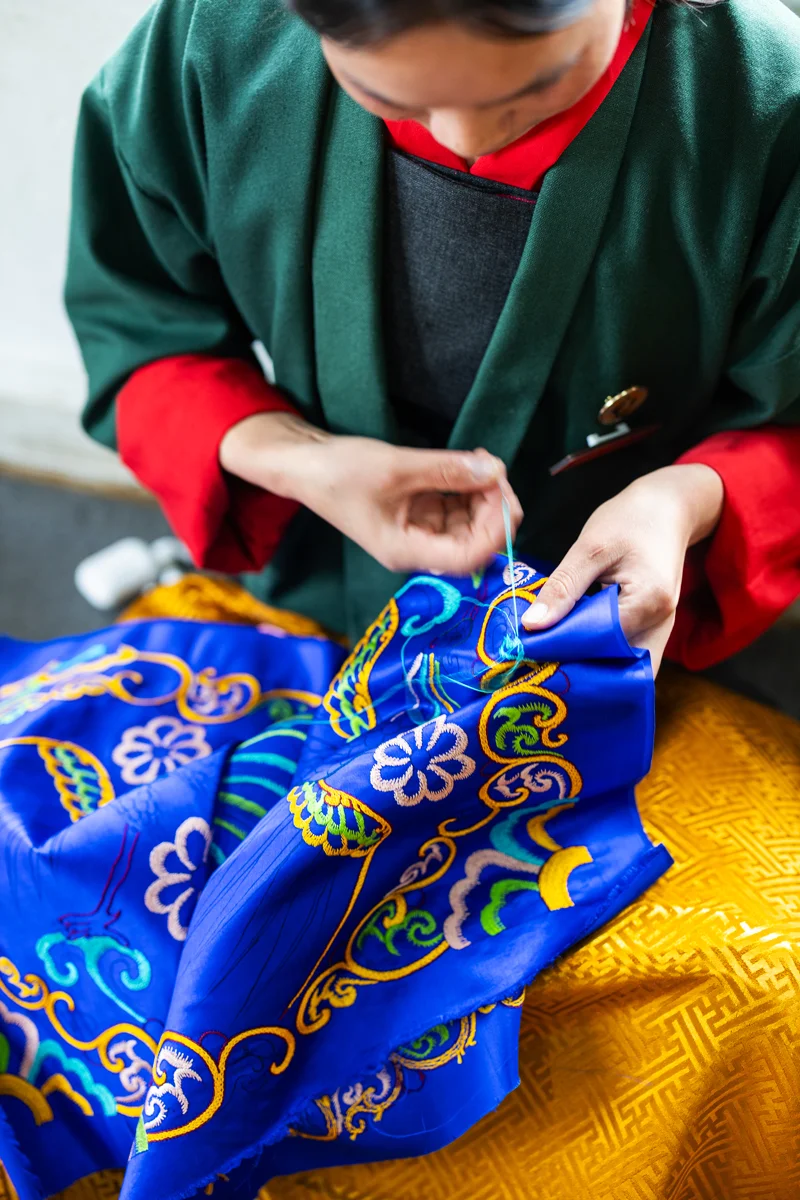
After lunch in Thimphu, your first stop is Choki Traditional Art School 📍. In addition to its meaningful mission of teaching underprivileged youth, the school offers an excellent introduction to Bhutanese traditional arts and crafts.
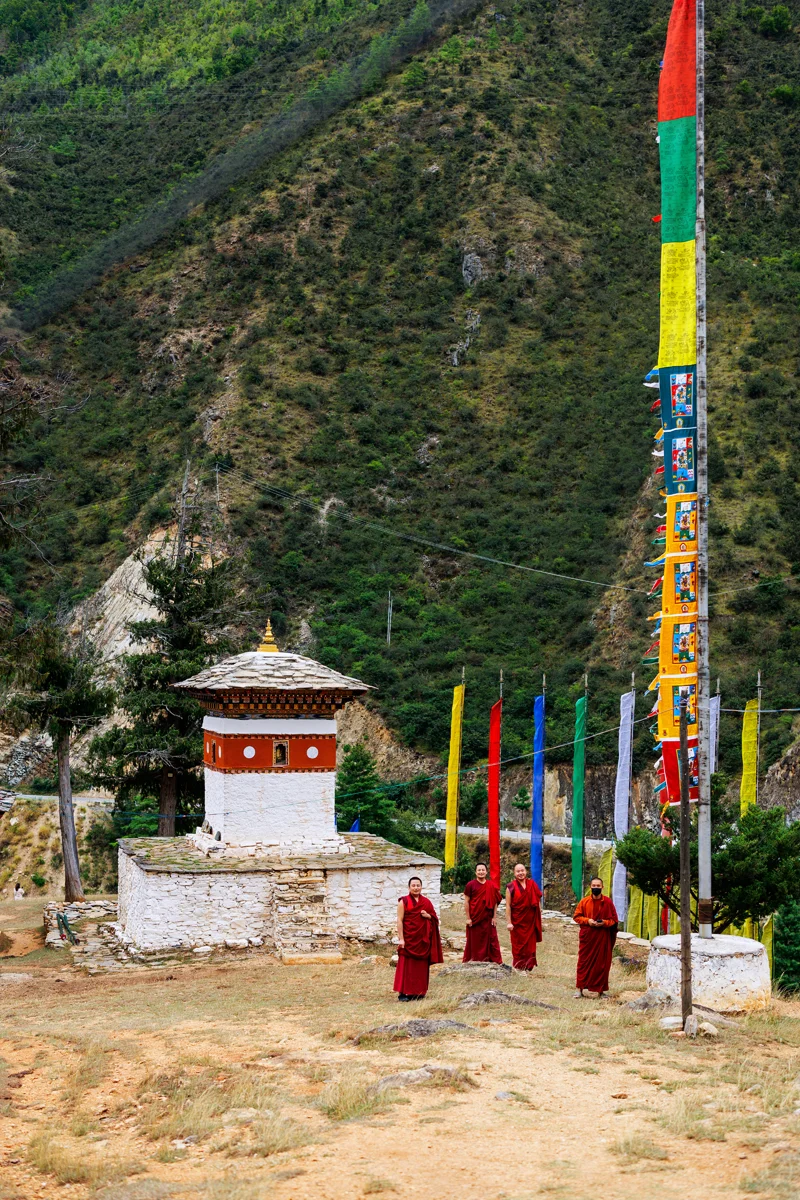
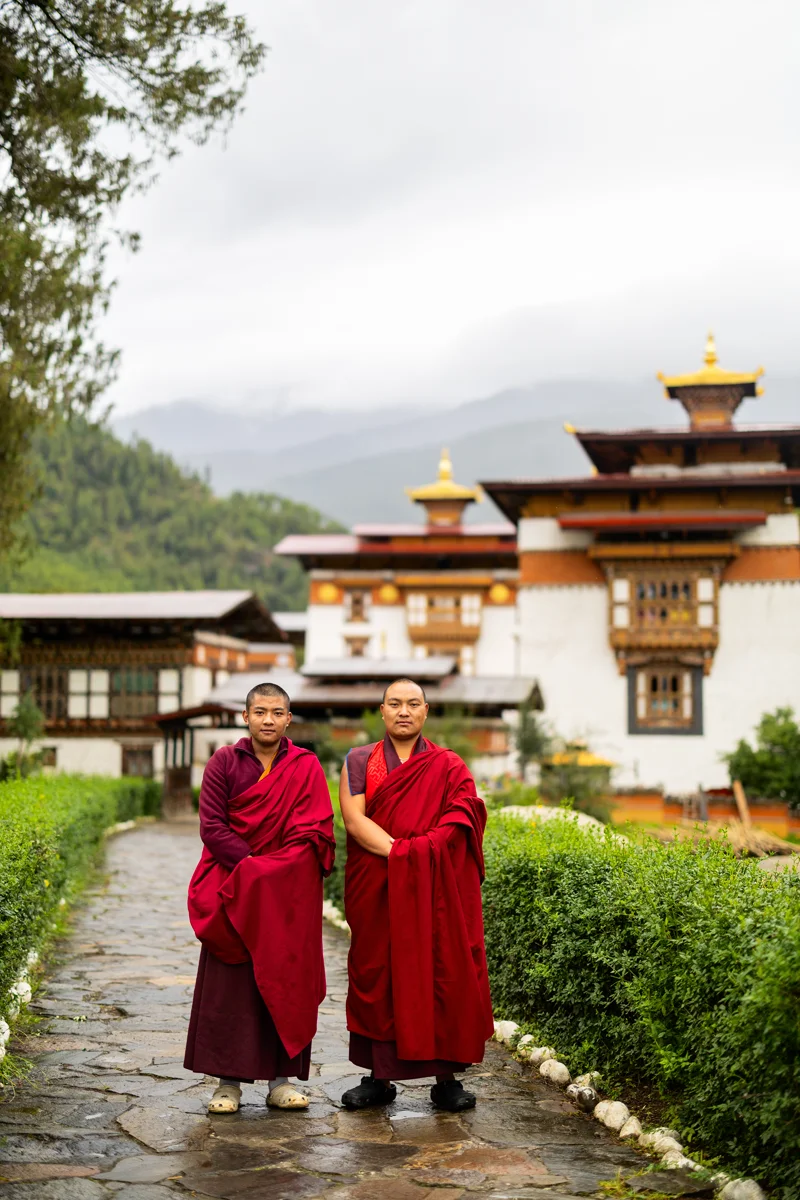
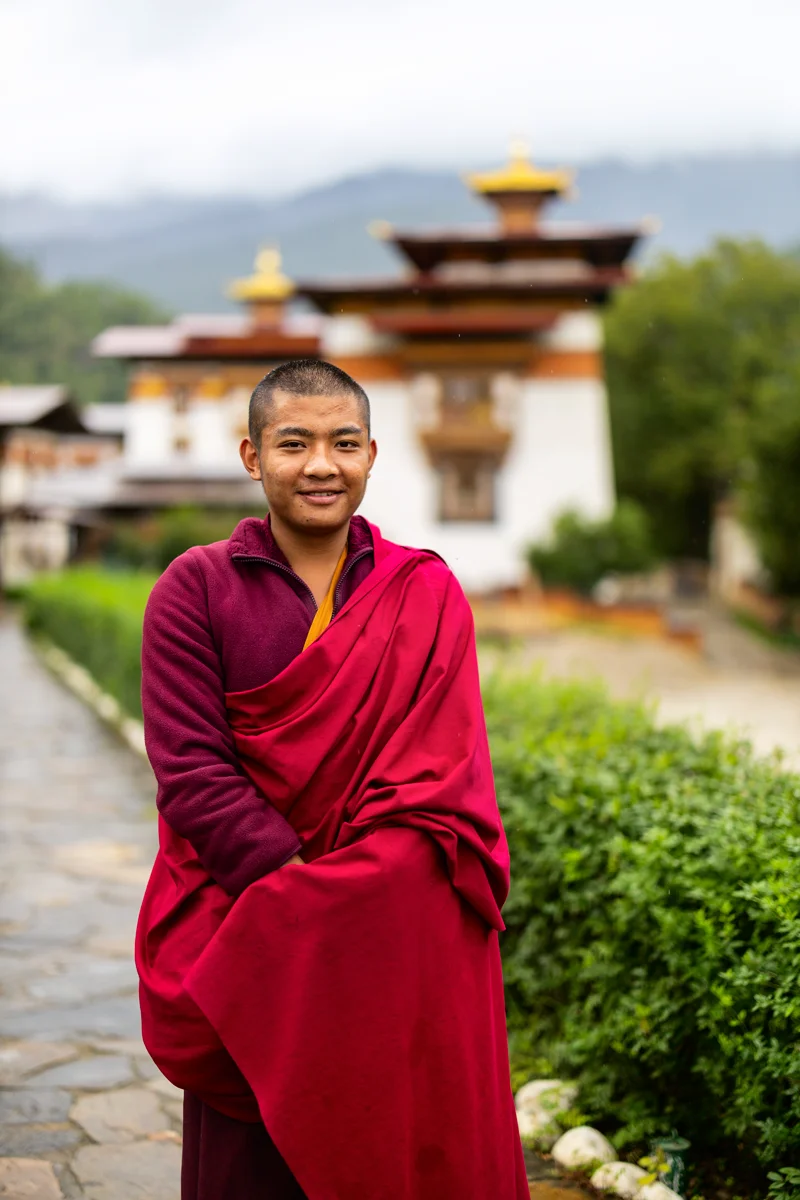
Just a short drive away is Pangri Zampa Monastery 📍, a 16th-century monastic school that serves as an astrology college. If you’re curious, you can receive an authentic astrological reading from one of the resident monks – a unique experience you won’t find in many other places in the world.
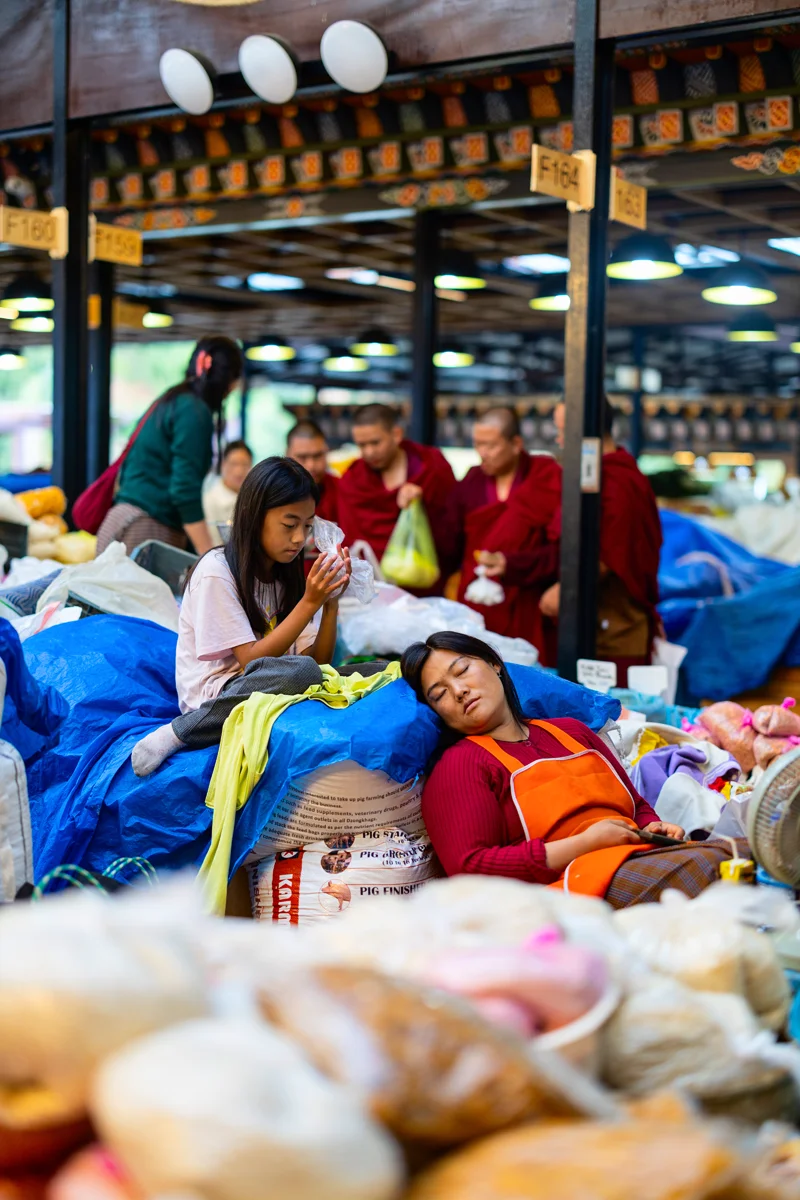
From there, take some time to wander Thimphu’s main street and browse the Farmers Market 📍.


Although the capital of Bhutan has soaring traffic, especially during the days of Thimphu Tshechu, it is famously known for having no traffic lights.
After a full first day, you’ll be dropped off at your hotel in Thimphu – your base for the next two nights.
Day 2: Thimphu Festival
On the second day of this Bhutan itinerary, you’ll attend Thimphu Tshechu – one of the most celebrated Bhutan festivals. It’s held in Tashichho Dzong 📍, a stunning fortress-monastery that also serves as the seat of Bhutan’s government and the summer residence of the monastic body. This blend of administrative and religious functions is typical of dzongs across the country.
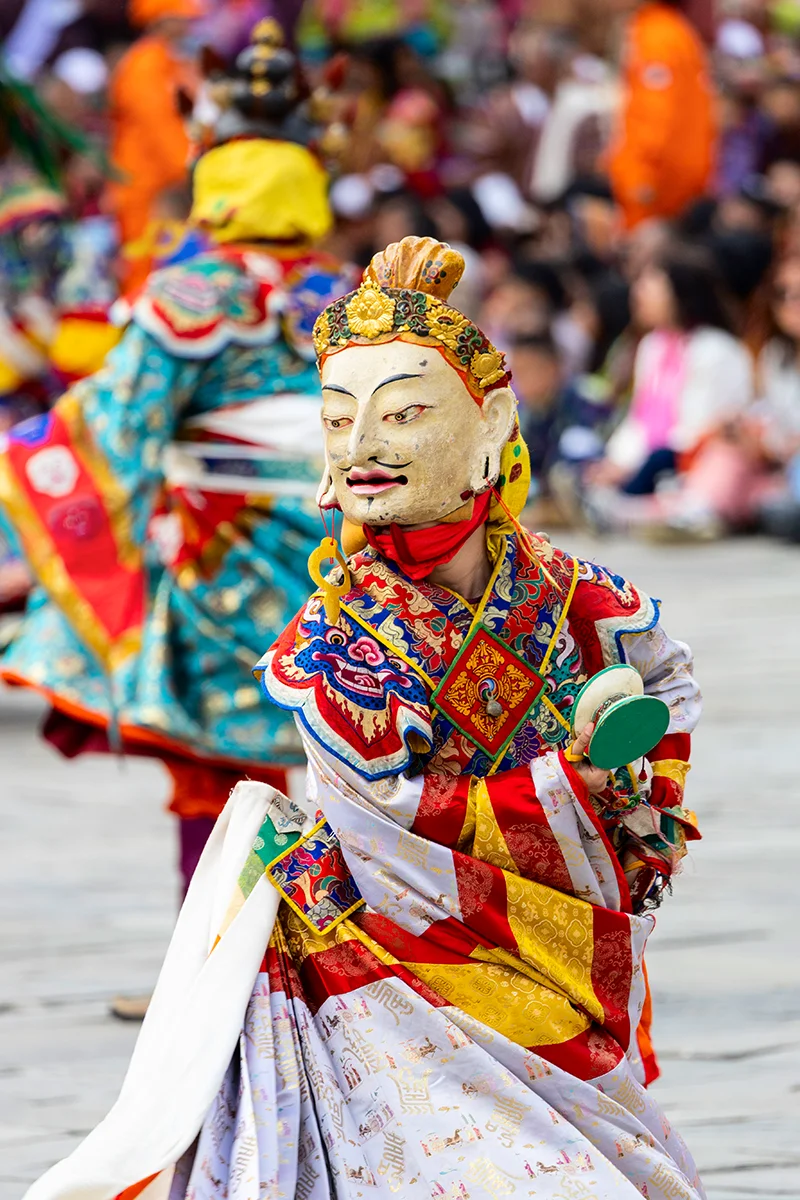
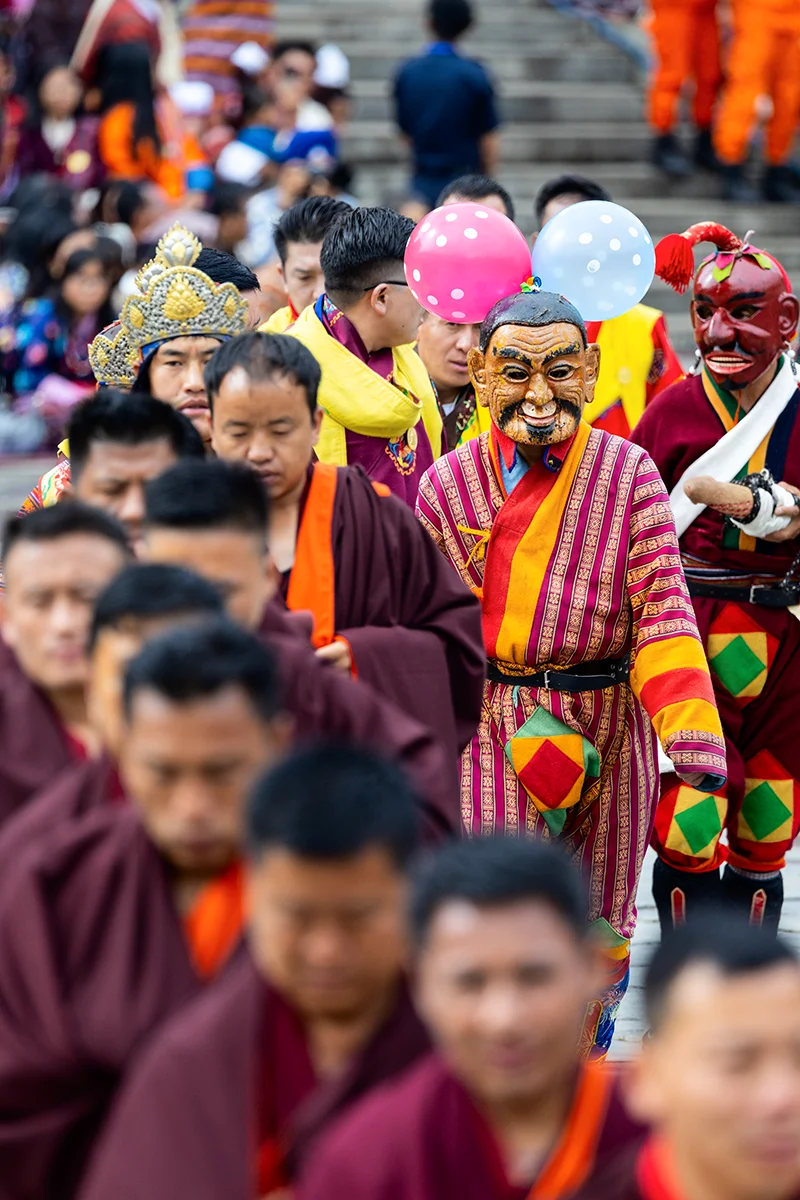
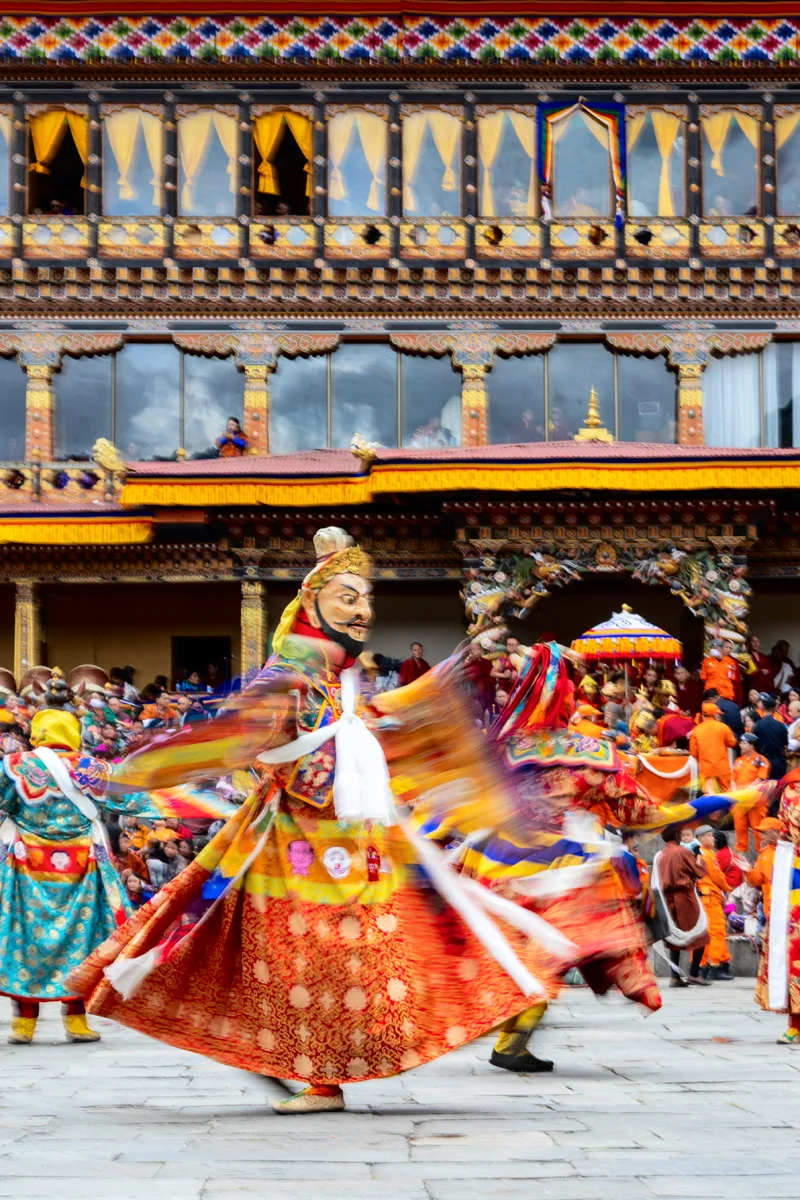
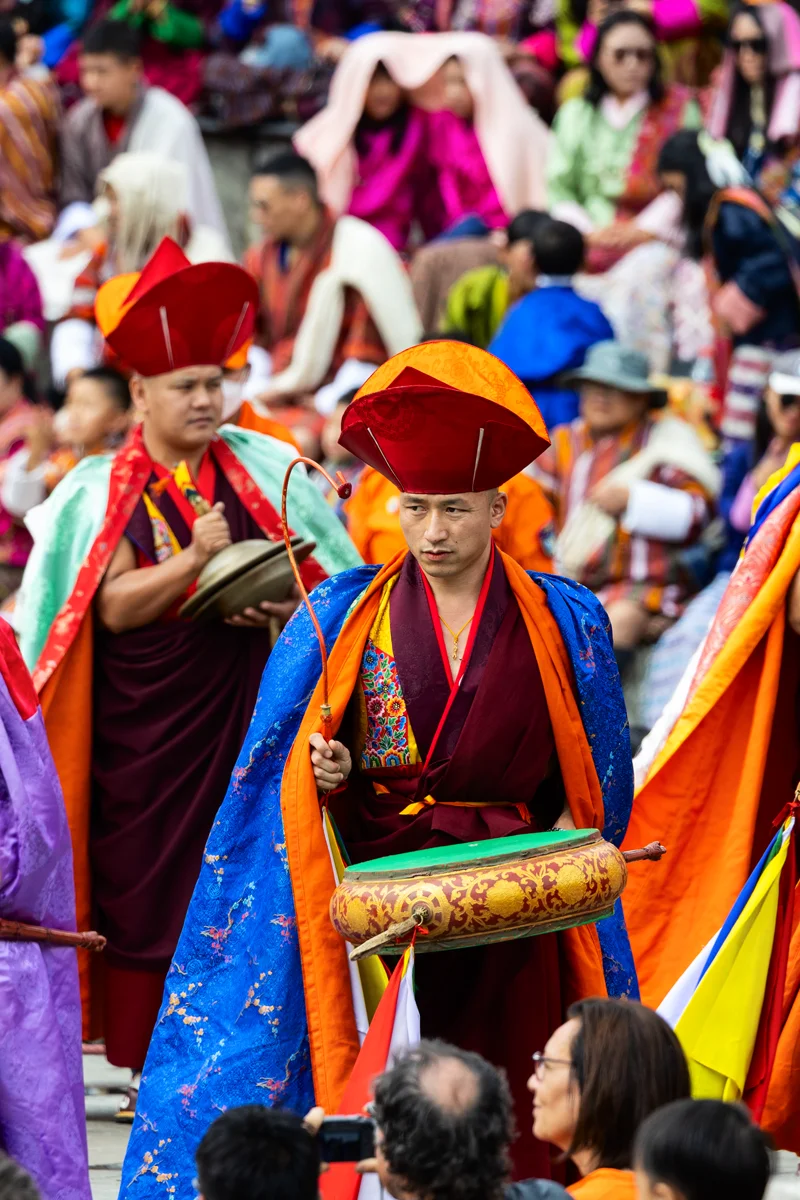
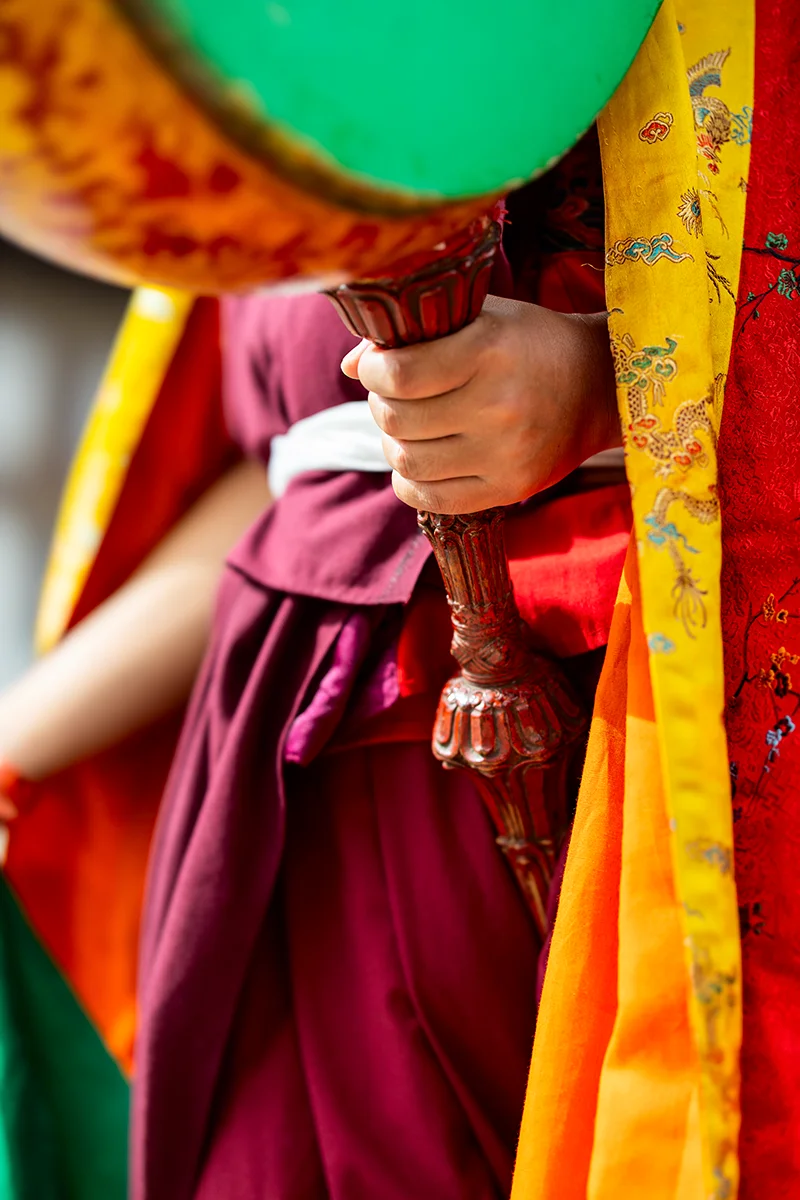
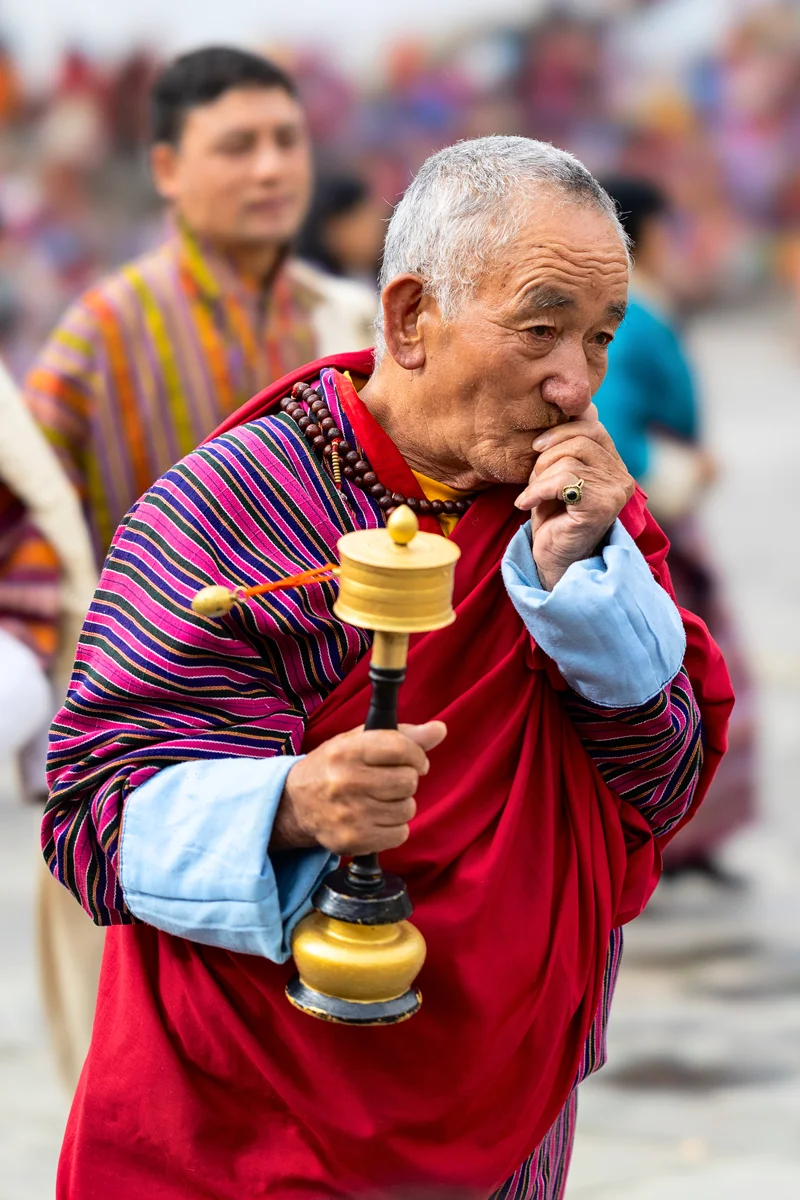
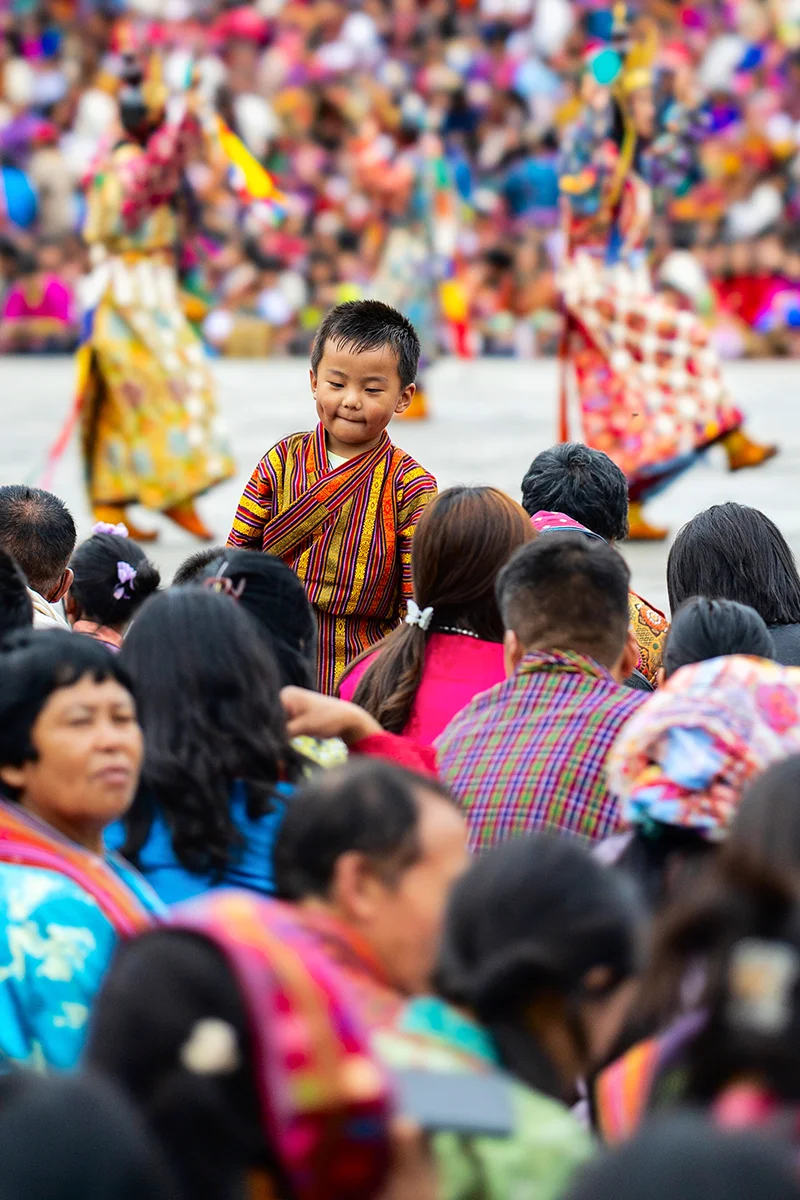
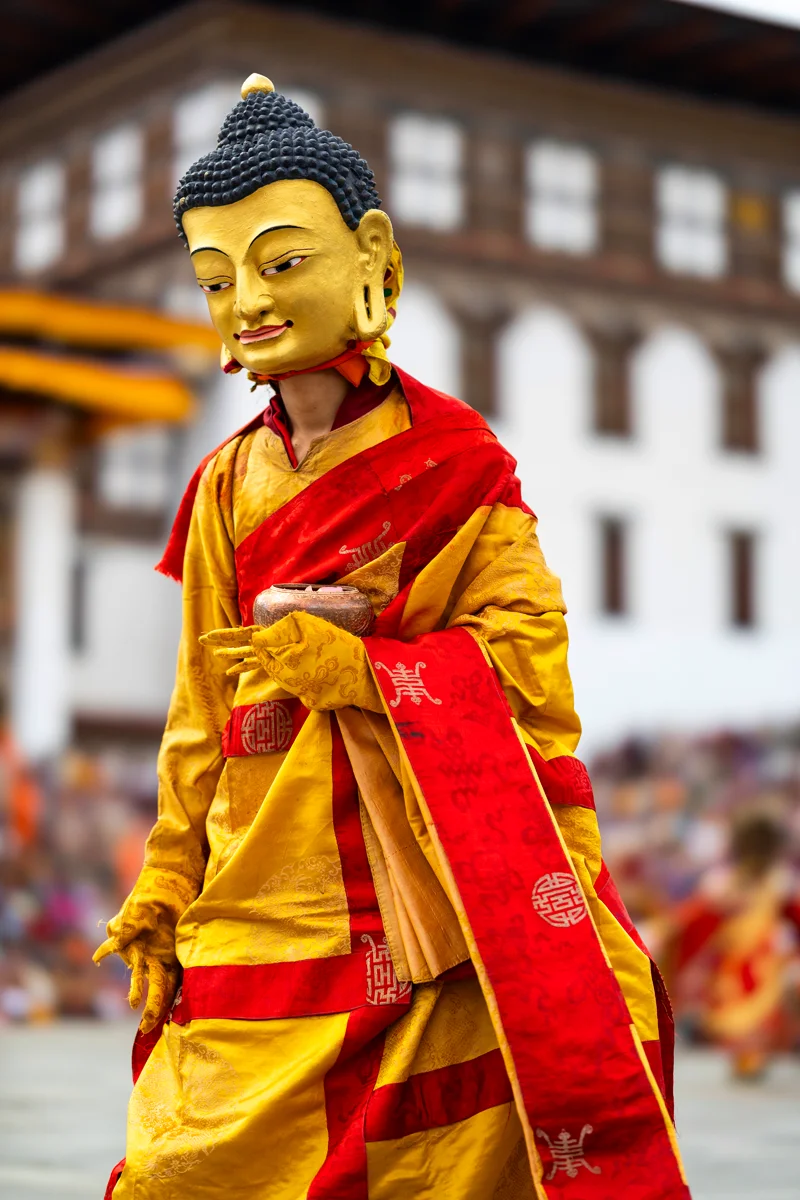
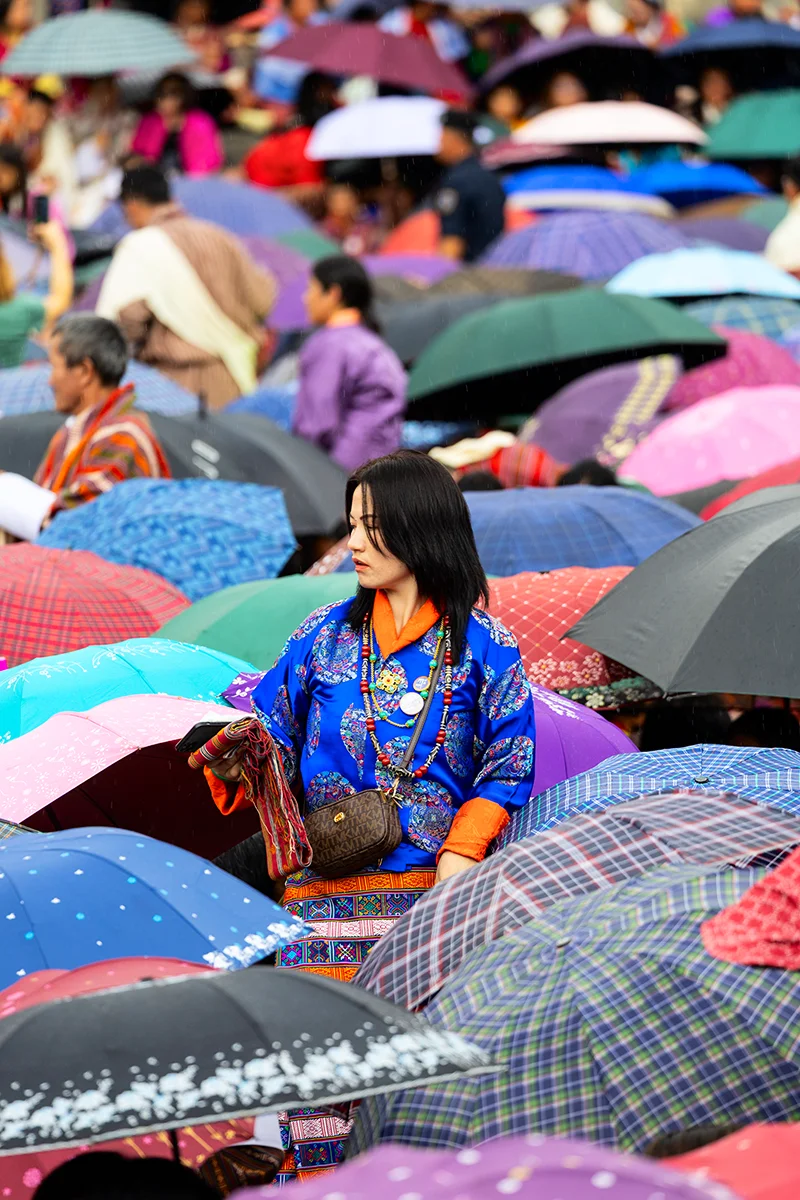
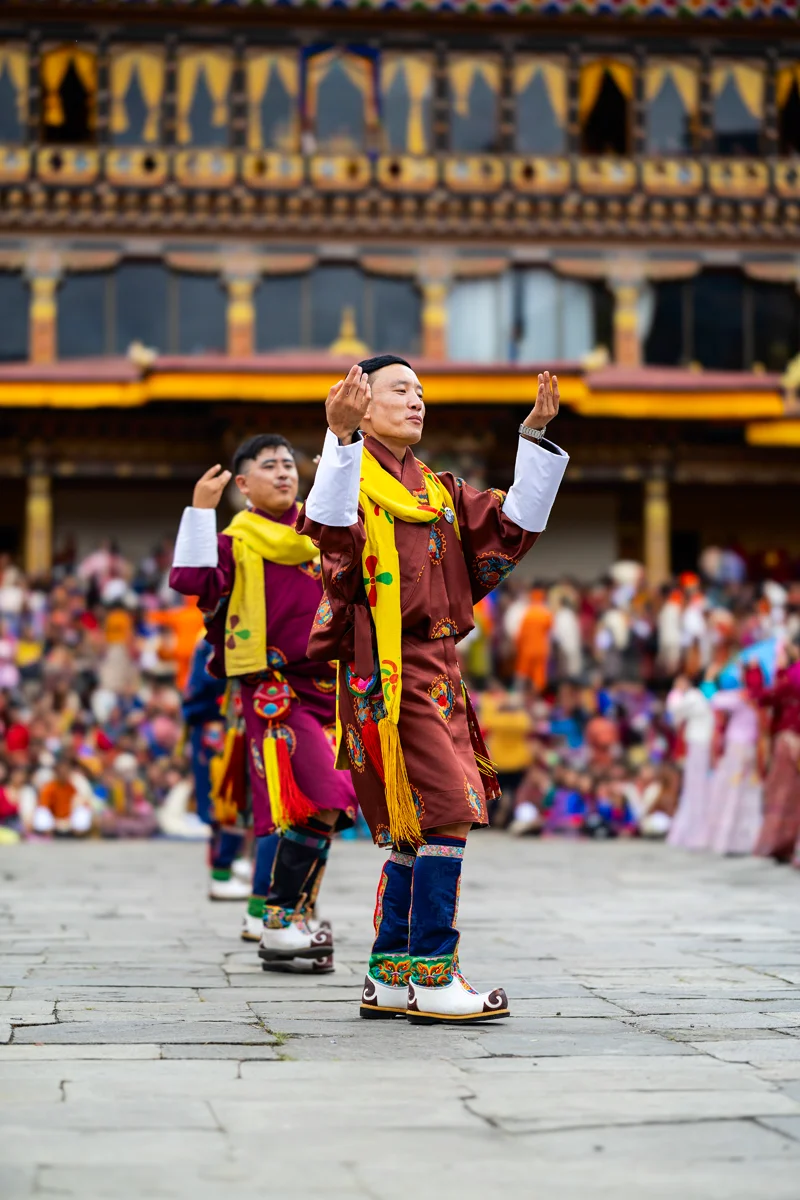
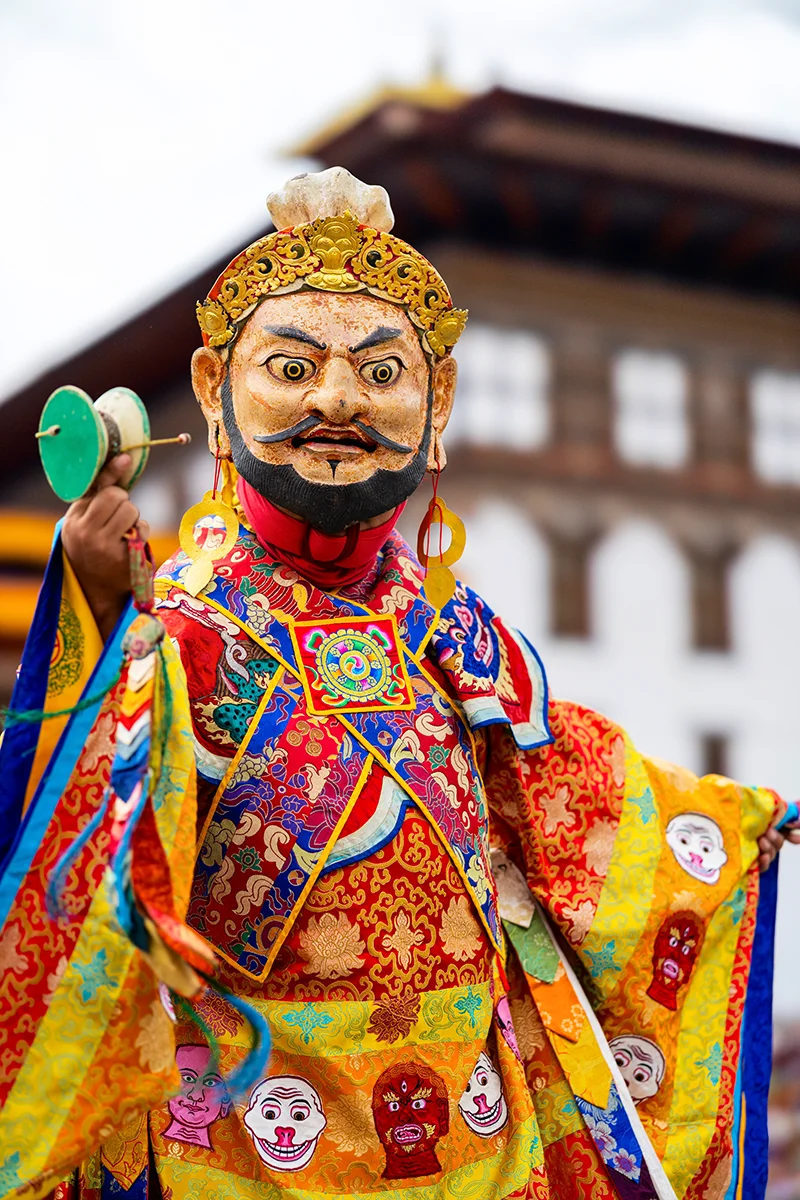
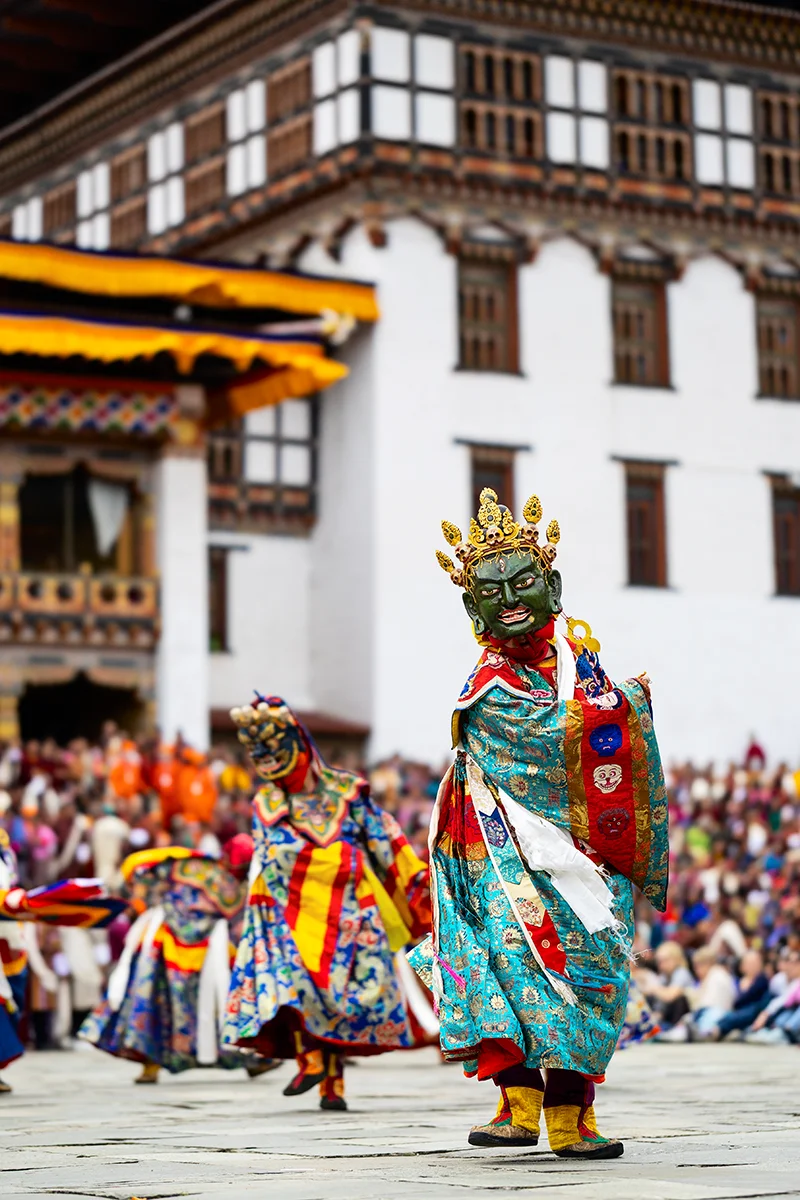
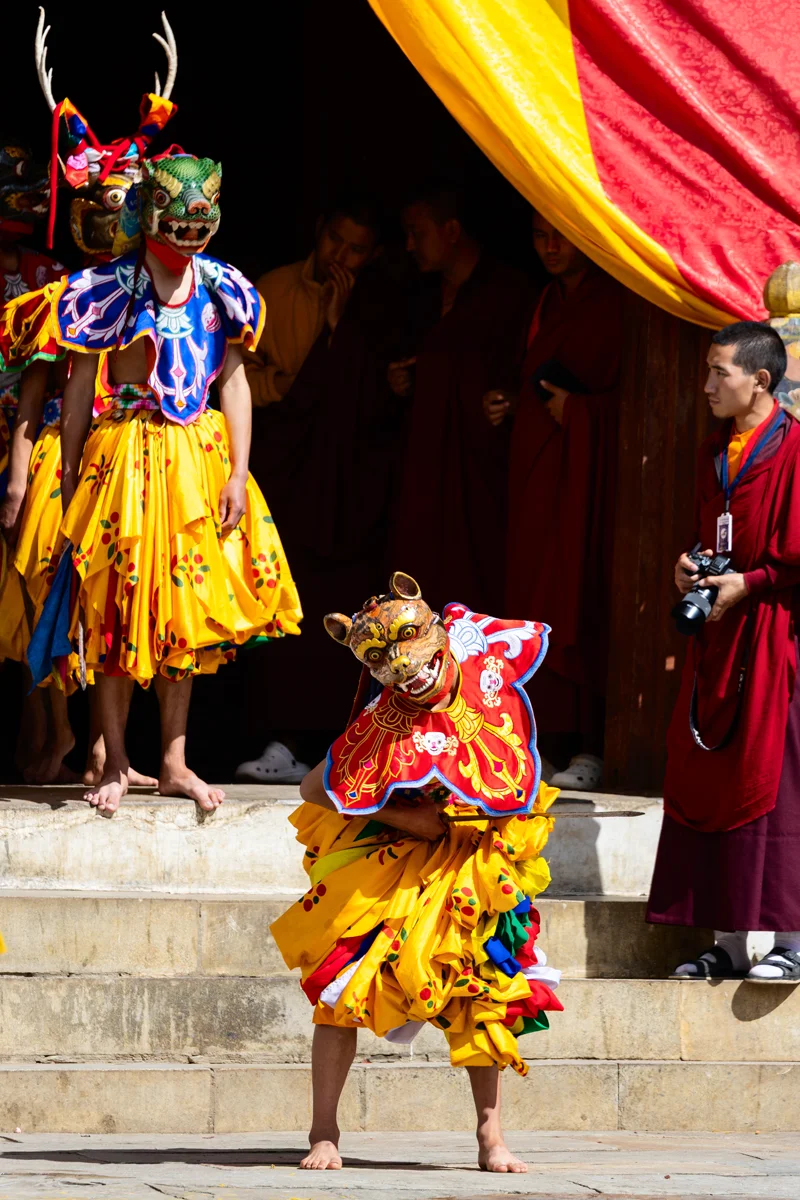
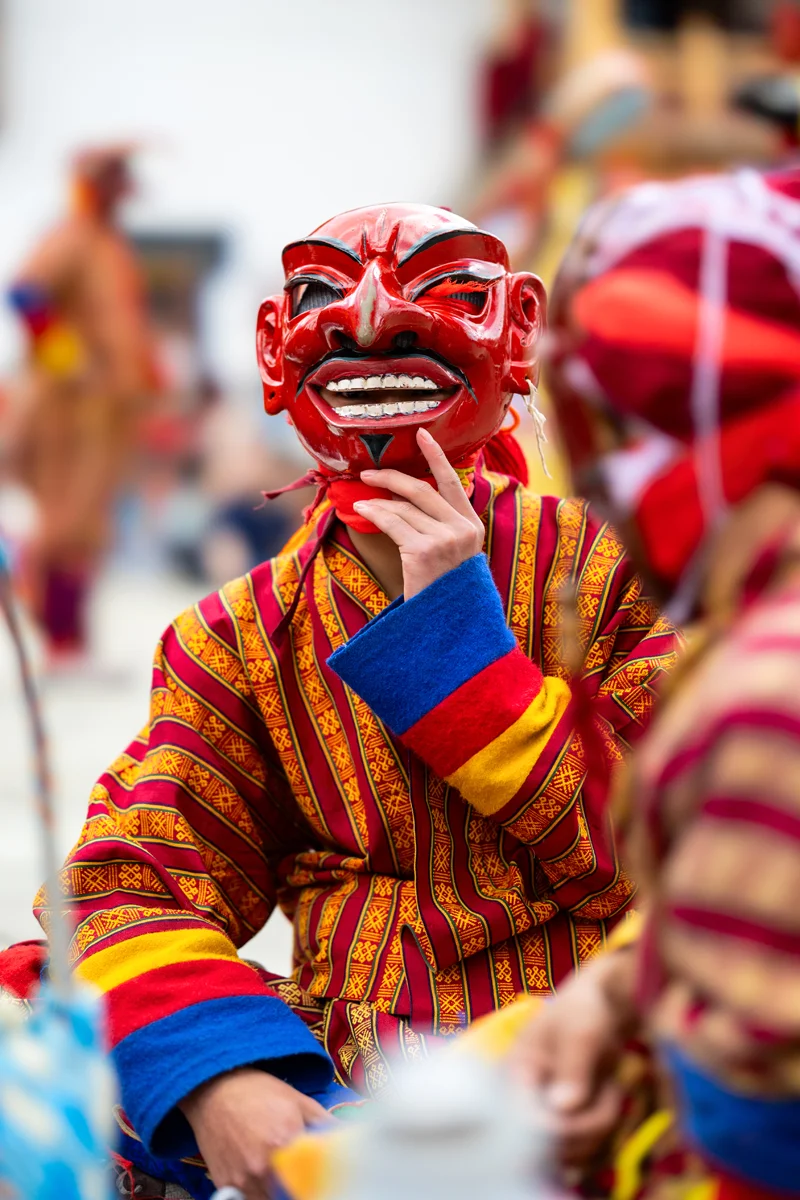
The festival runs for three days, from 9 AM to around 4 PM. Expect vibrant mask dances telling ancient stories, traditional music, performances by community dancers, and locals dressed in their finest traditional attire. As this is one of Bhutan’s biggest events, it draws large crowds of both locals and tourists – arrive early if you want good seats.
When we attended, there was a section reserved for tourists close to the performance area, but the seating is on the ground, which can be wet after rain. A small yoga mat comes in handy. Luckily, our guide from Breathe Bhutan came prepared, though most other tourists weren’t as fortunate.
We spent over four hours at the festival and left just before lunch, but you’re free to stay as long as you like – or return later in the afternoon.

Save now, enjoy later
Too busy right now? Save this gem to Pinterest for later.
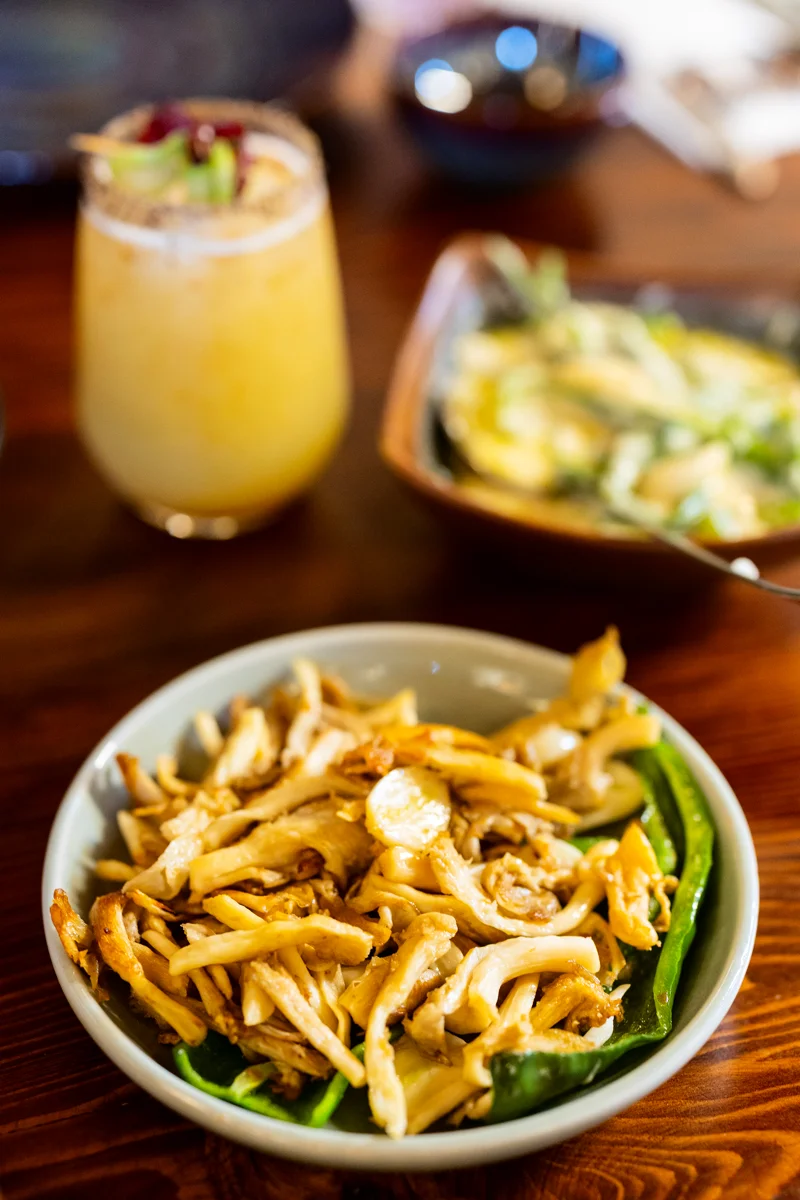
For lunch, we suggest Phangu 📍, our personal favorite restaurant in Thimphu.


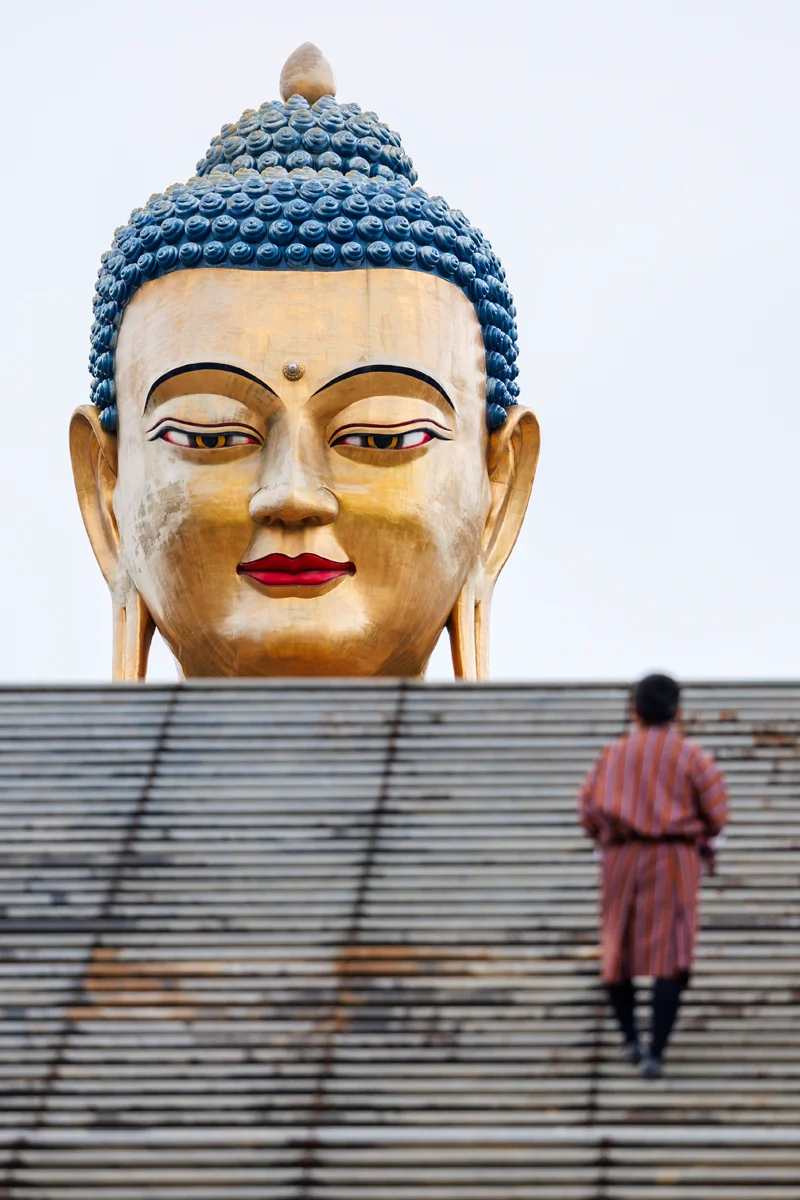
In the afternoon, stop at Memorial Chorten 📍, a sacred stupa where locals gather to pray and circumambulate. From there, head to Buddha Dordenma 📍, a massive bronze Buddha statue overlooking the valley. Inside, it houses over 125,000 smaller Buddha statues – a detail that conveys the scale and devotion behind the project.

Your last stop is Simtokha Dzong 📍, Bhutan’s oldest dzong still standing in its original form. It’s full of history, with beautiful traditional architecture and a calm atmosphere. Situated atop a hill, it offers lovely views of the valley below.


In case of rain, we suggest the sweetest-smelling incense workshop at Nado Poizokhang 📍 or a visit to a small handmade paper factory 📍.
Day 3: Drive To Phobjikha Valley
Today, you drive to Phobjikha Valley, also known as Gangtey. The journey takes around five hours, but several interesting stops along the way brighten the long drive. We recommend starting right after an early breakfast to reach the first stop, Dochula Pass 📍, before the crowds arrive.
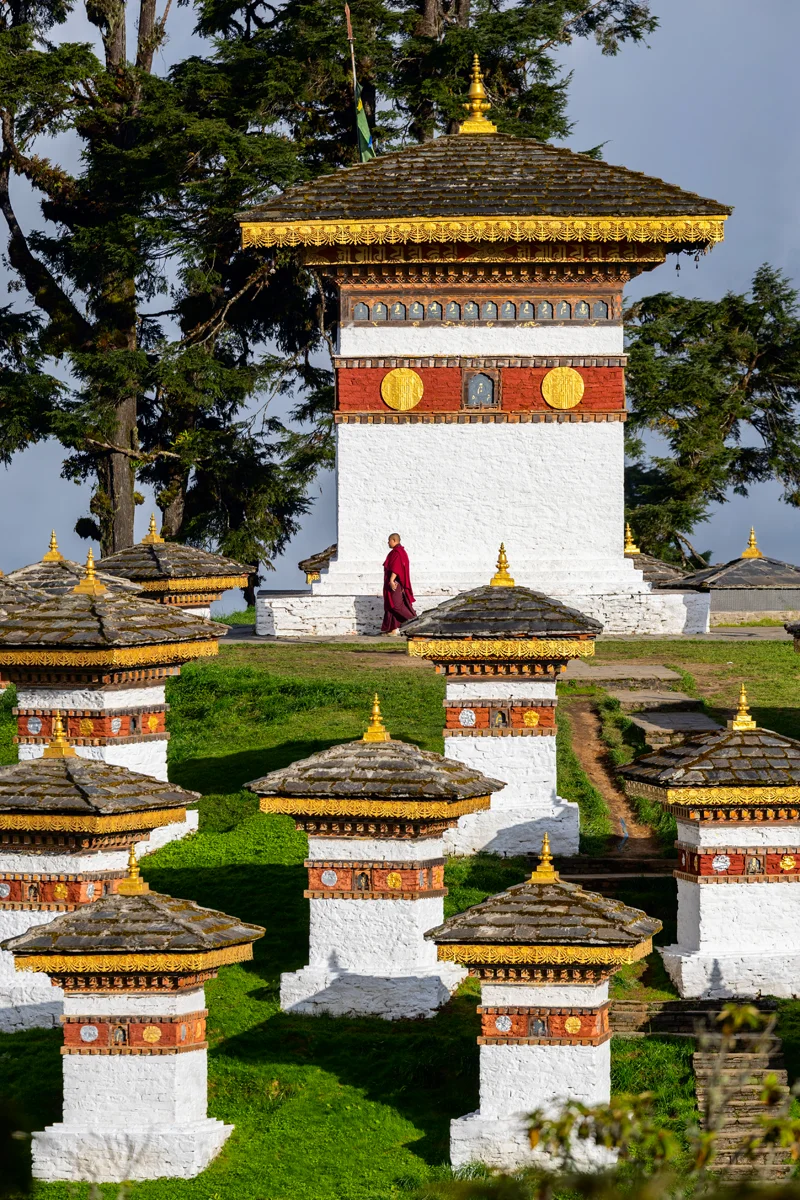
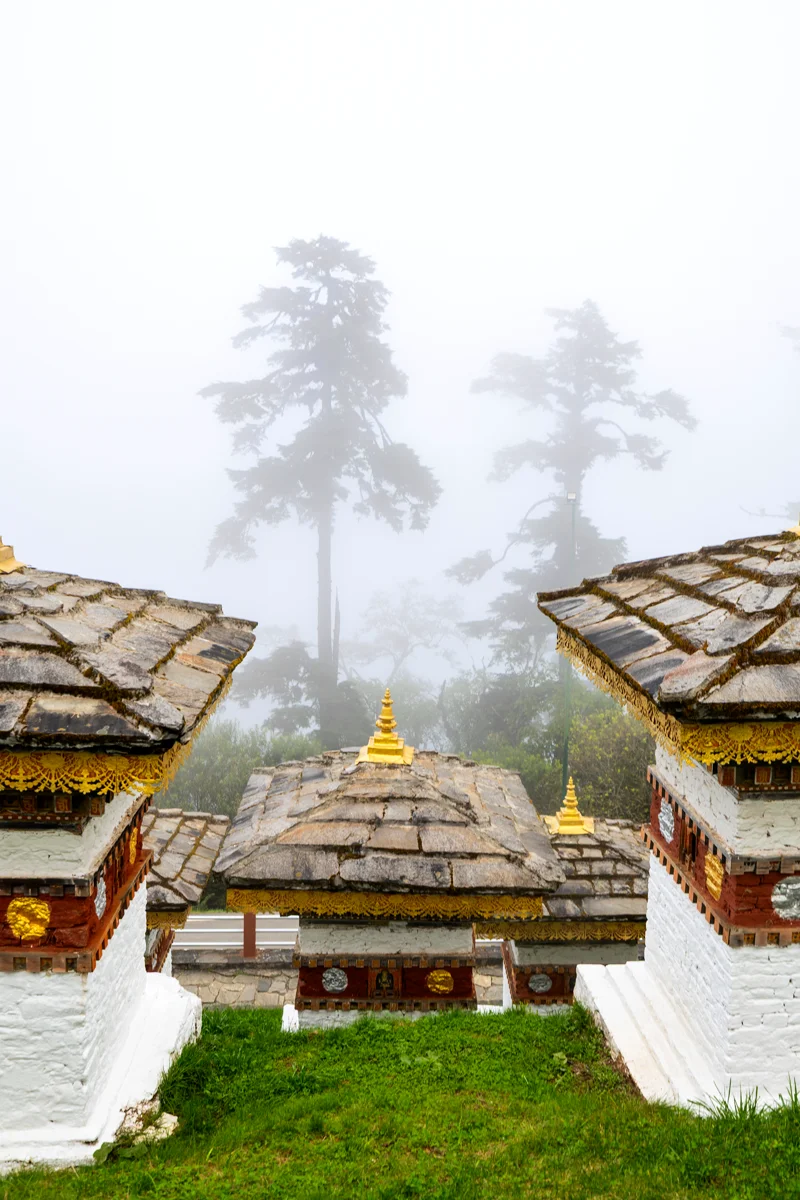
Dochula Pass sits at 3,100 meters and is known for its 108 memorial stupas and, on a clear day, panoramic views of the Himalayan peaks. It can get quite crowded, especially with tour buses stopping for the iconic photo opportunity, so an early start pays off.

Next, stop at Wangdue Dzong 📍. Located on a ridge at the confluence of two rivers, it really stands out from the surrounding scenery. Although the dzong was largely destroyed by a fire in 2012, the reconstruction was faithful to the original design, and it still retains a historic feel.
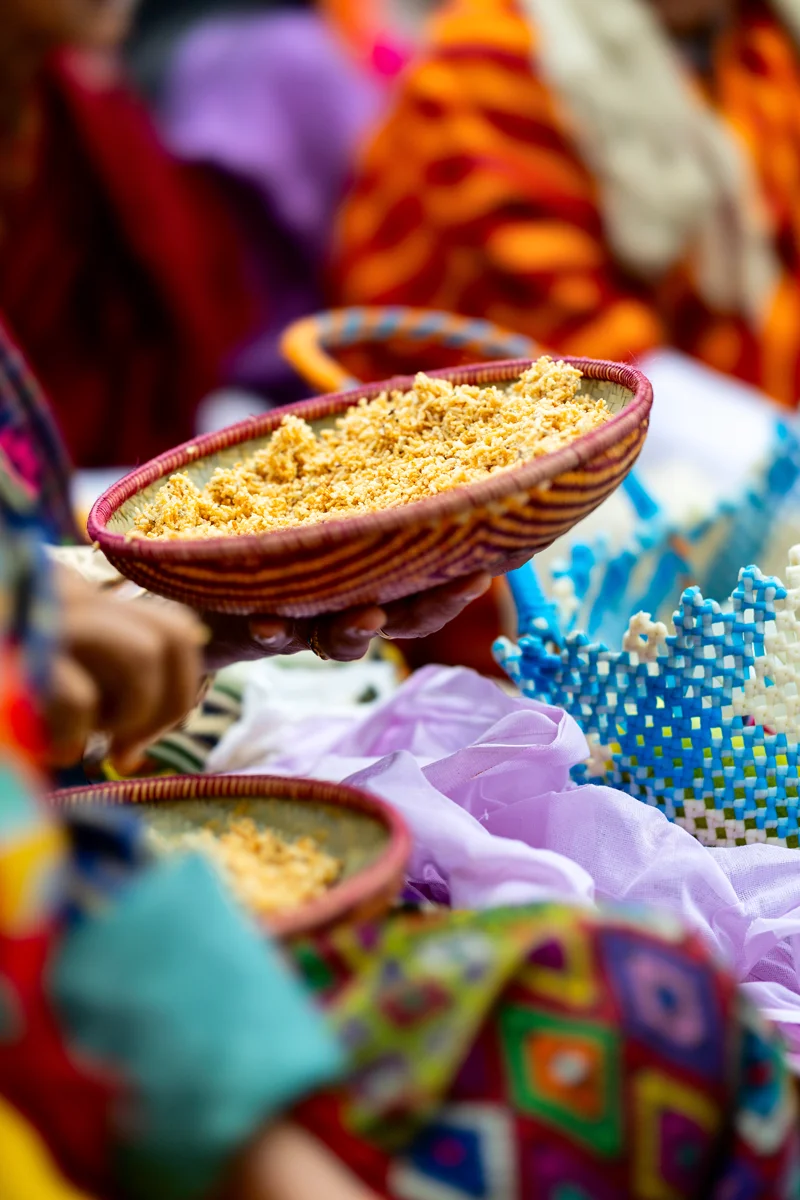
Not far from Wangdue Dzong, we witnessed a Buddhist blessing ceremony for a new construction. We were invited to join and even offered Bhutanese butter tea (suja) and sweet yellow rice (daisee). You never know what experience awaits around the next corner in Bhutan.


You’ll arrive at Phobjikha Valley in time for a late lunch or in the afternoon. The valley is one of Bhutan’s most beautiful, with wide open landscapes, rolling hills, and a peaceful atmosphere that feels a world away from the busier towns.
You’ll stay one night in Phobjikha Valley, but if your Bhutan itinerary allows, consider adding an extra night.
Day 4: Gangtey Festival
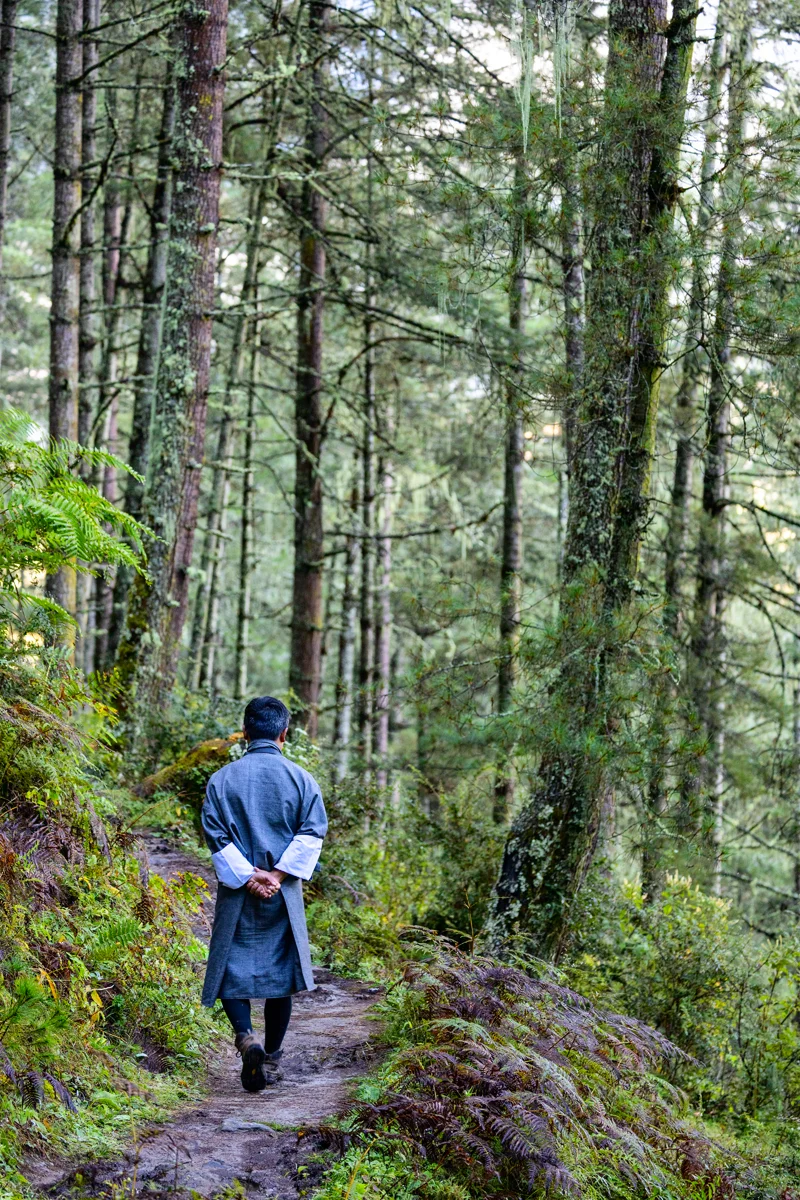
Why not start your day with an early morning hike along the Gangtey Nature Trail? This gentle two-hour walk takes you past villages, across streams, and through magnificent forest, opening up to magical views of the valley below.

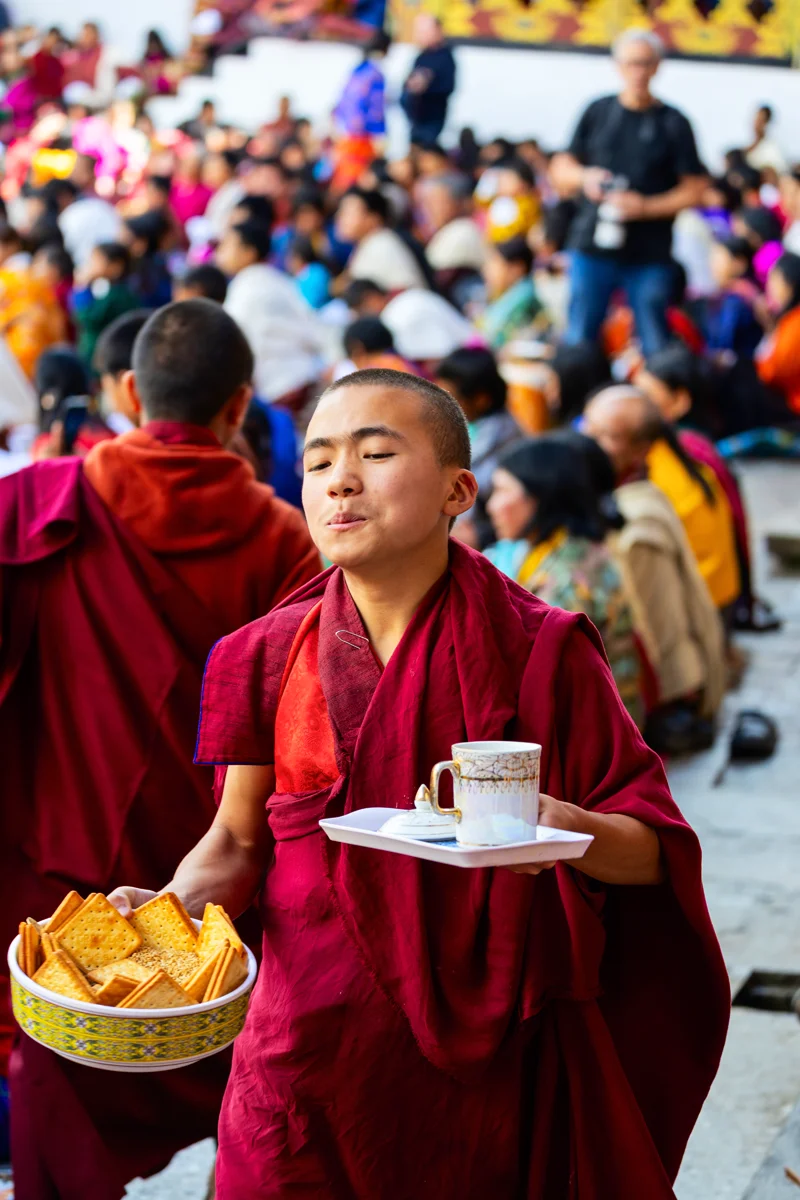
After breakfast, you’ll visit Gangtey Tshechu at Gangtey Monastery 📍 – a serene 17th-century Buddhist sanctuary overlooking the breathtaking Phobjikha Valley. While smaller in scale than Thimphu Tshechu, this Bhutan festival carries the same energy and devotion. Expect colorful mask dances, spiritual rituals, and a warm atmosphere as the local community gathers to celebrate.


Bhutan festivals are much more than just celebrations – they feel like doors to another world, full of colors, smiling faces, endless dances, and traditional music.
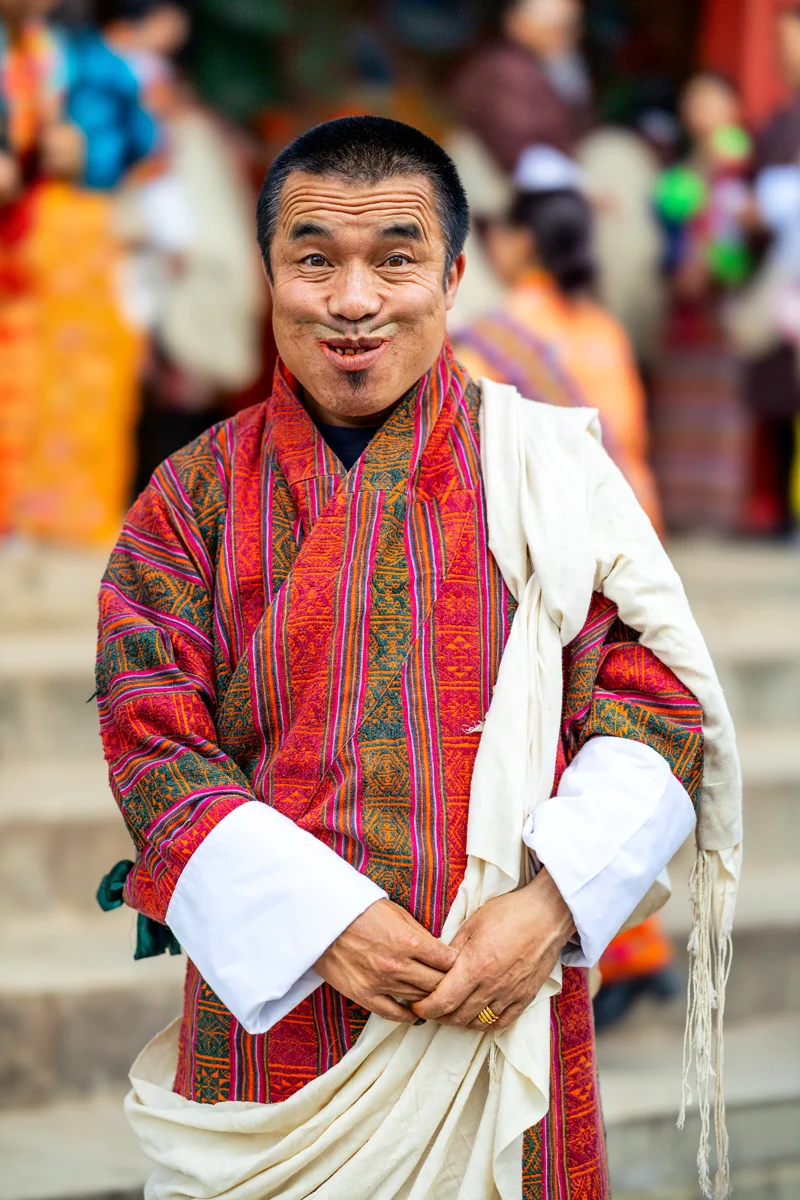
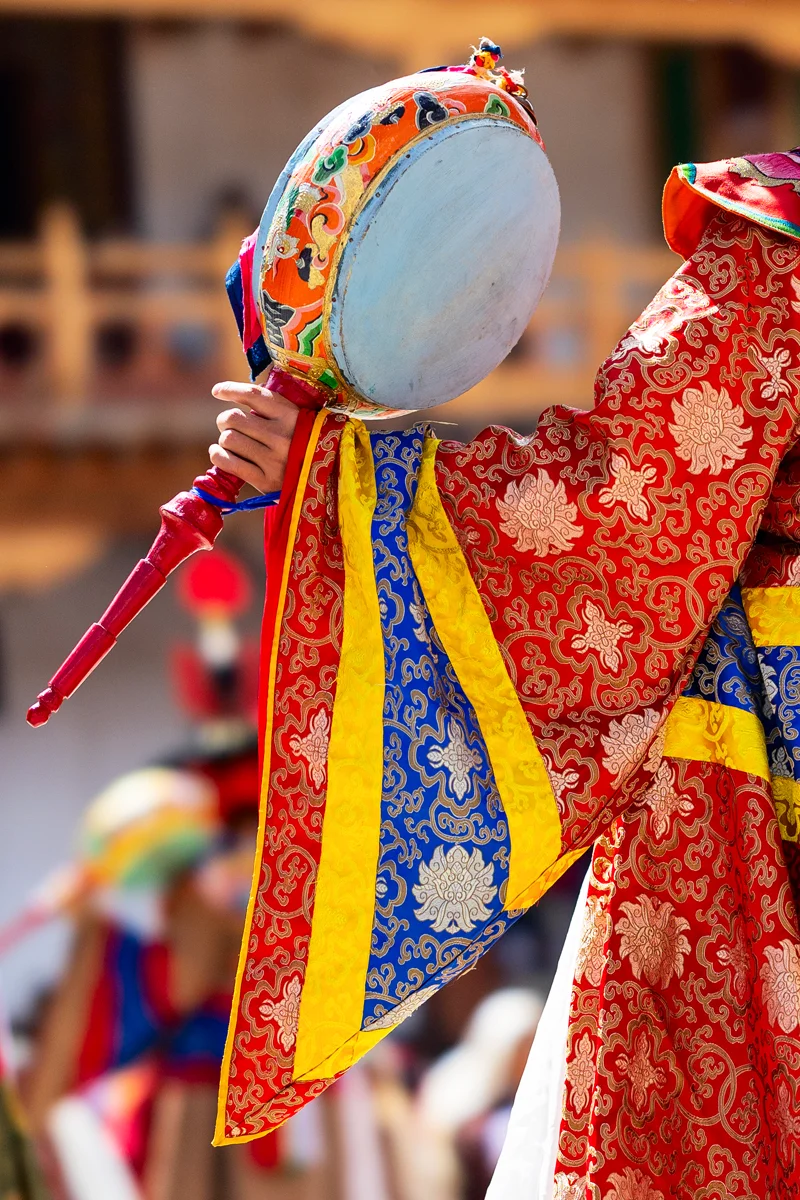
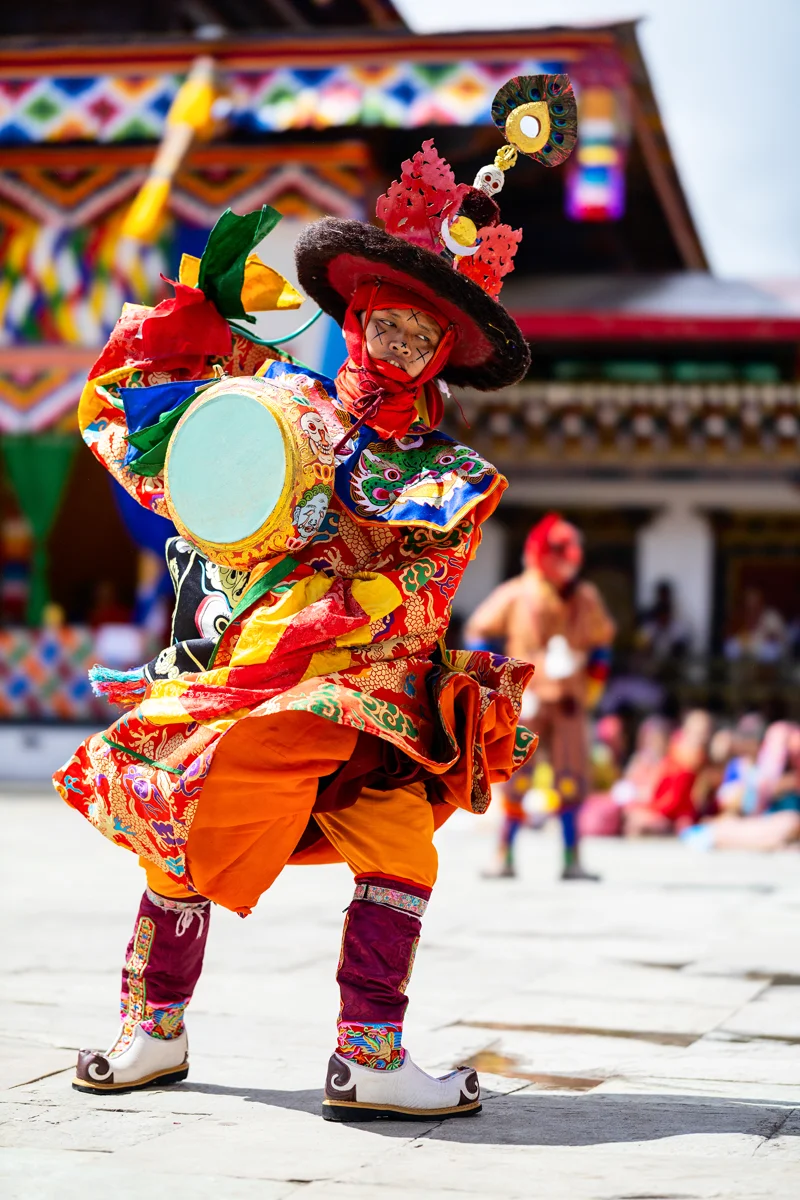
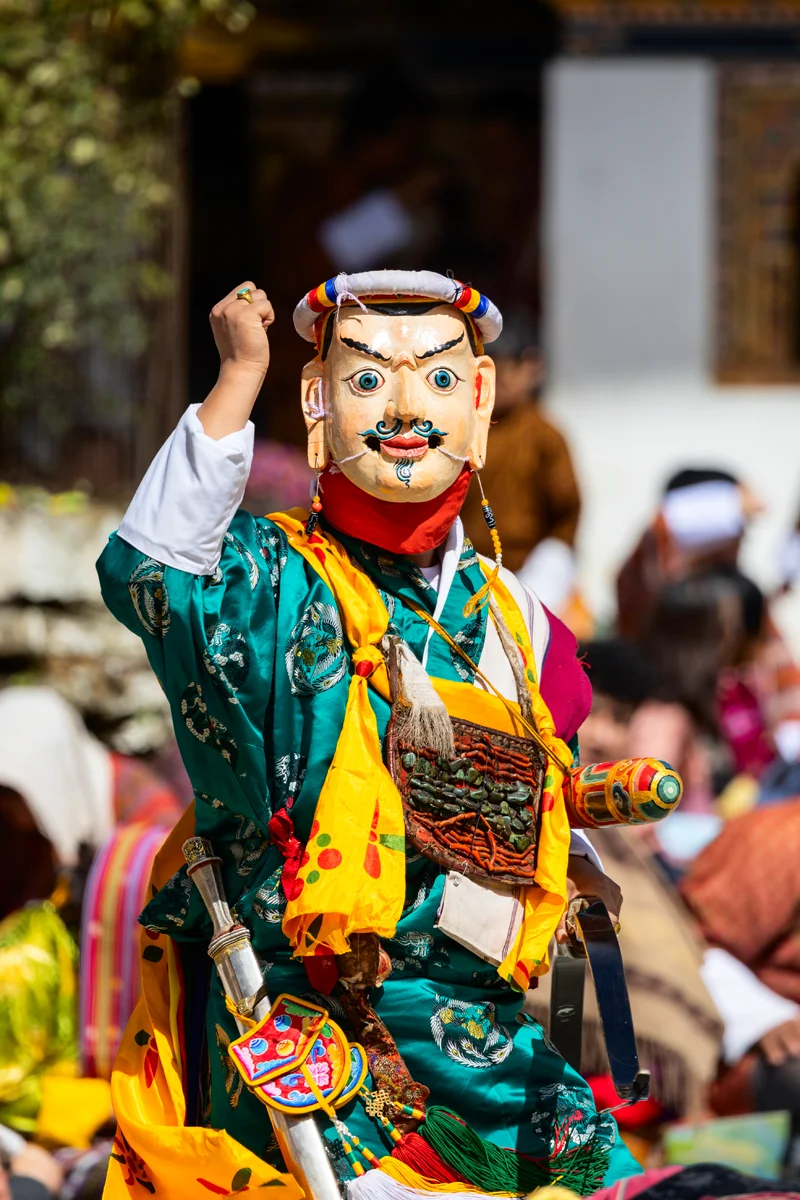
This Bhutan itinerary has no other activities planned for today, so you can enjoy Gangtey Tshechu as long as you want – even returning after lunch for more. Once you’re ready, the drive to Punakha takes around two hours. It will be your base for the next two nights.
Day 5: Punakha
Wake up early to participate in a morning cleansing ceremony at a small Buddhist monastery 📍. For us, it was such an honor and one of the highlights of the trip – the experience is deeply grounding and serene. We were also given permission to take photos inside the temple, a rare privilege. Afterwards, you’ll have breakfast with young monks, which adds another memorable layer to the experience.
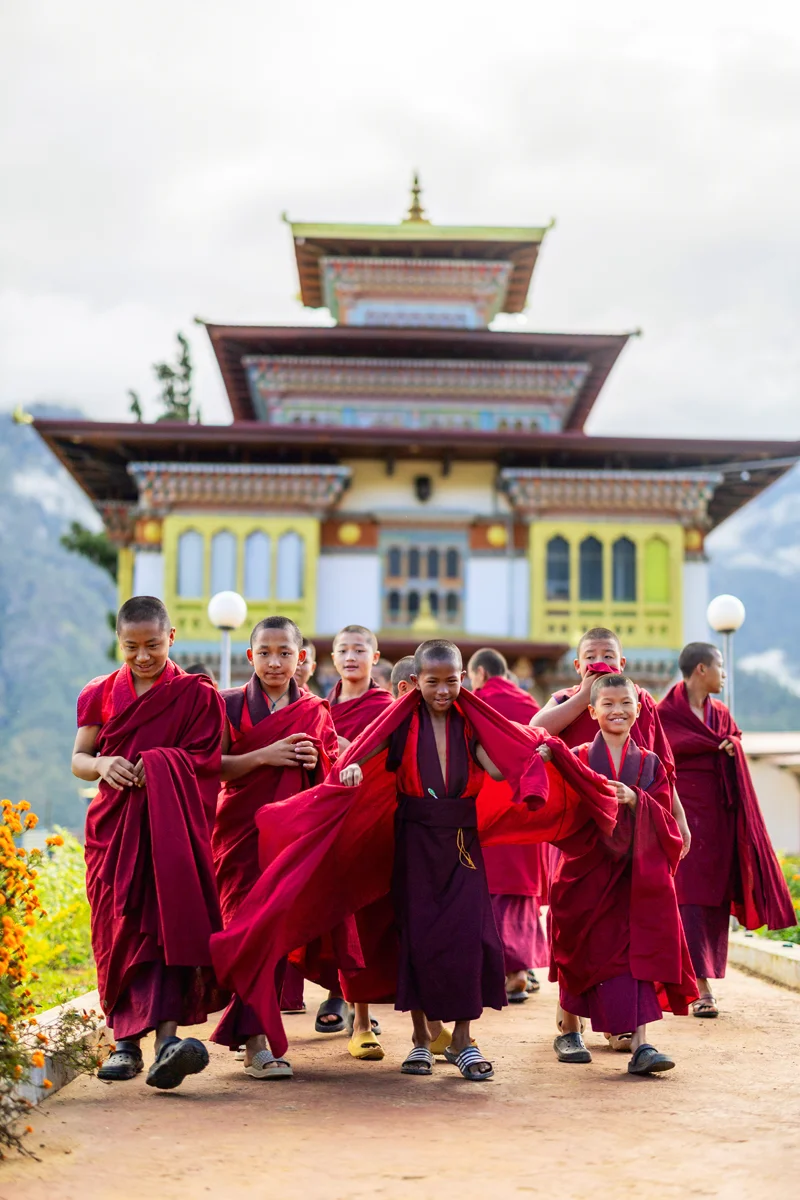
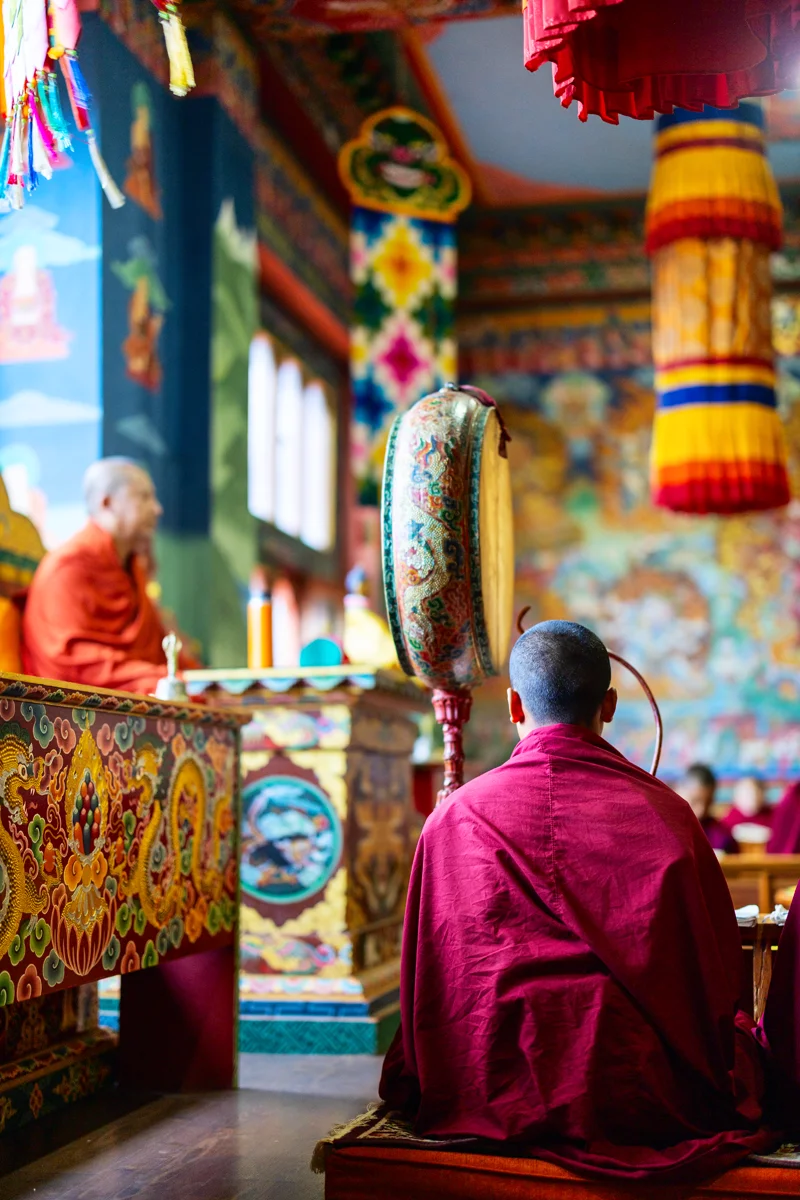
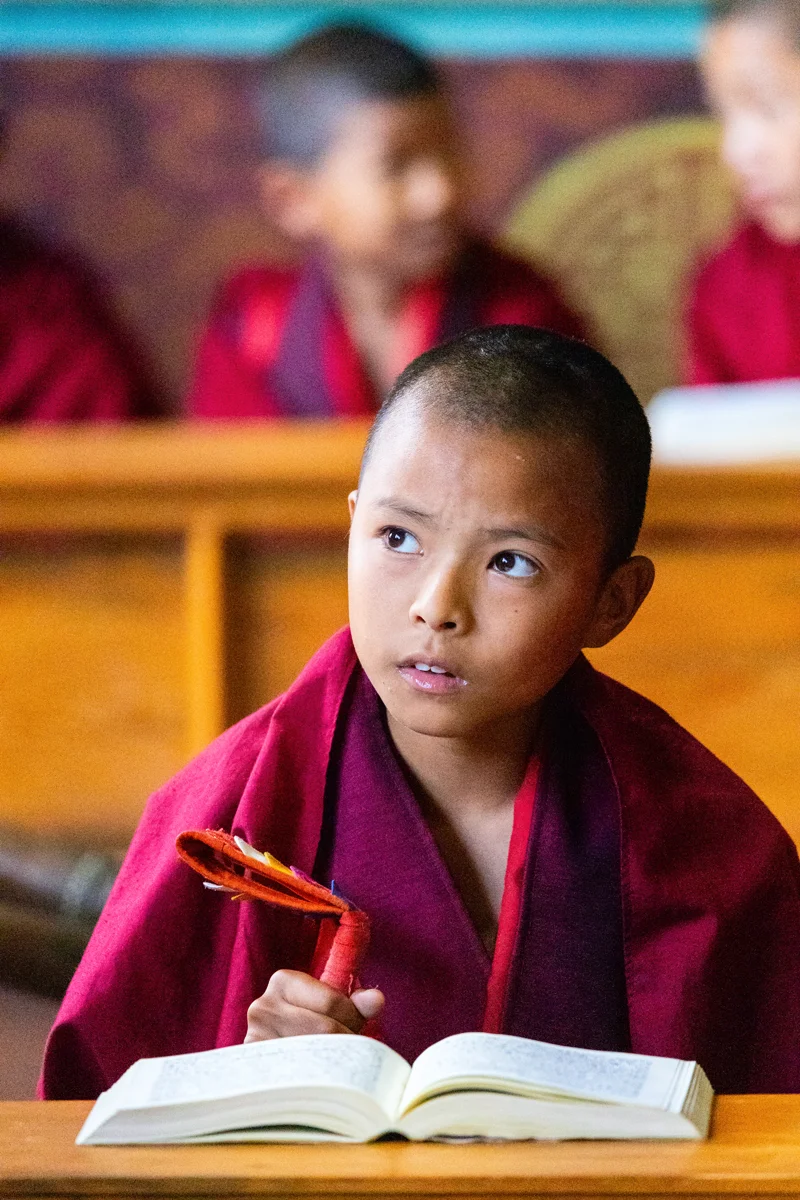
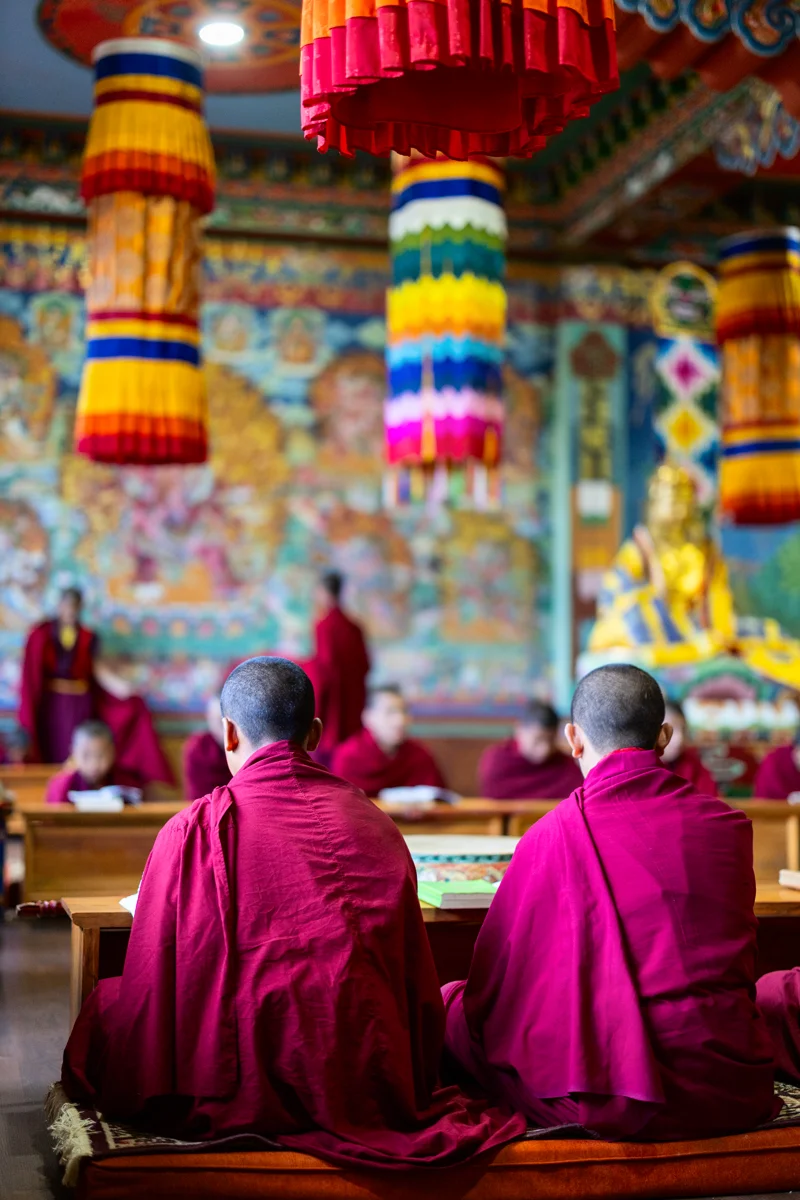
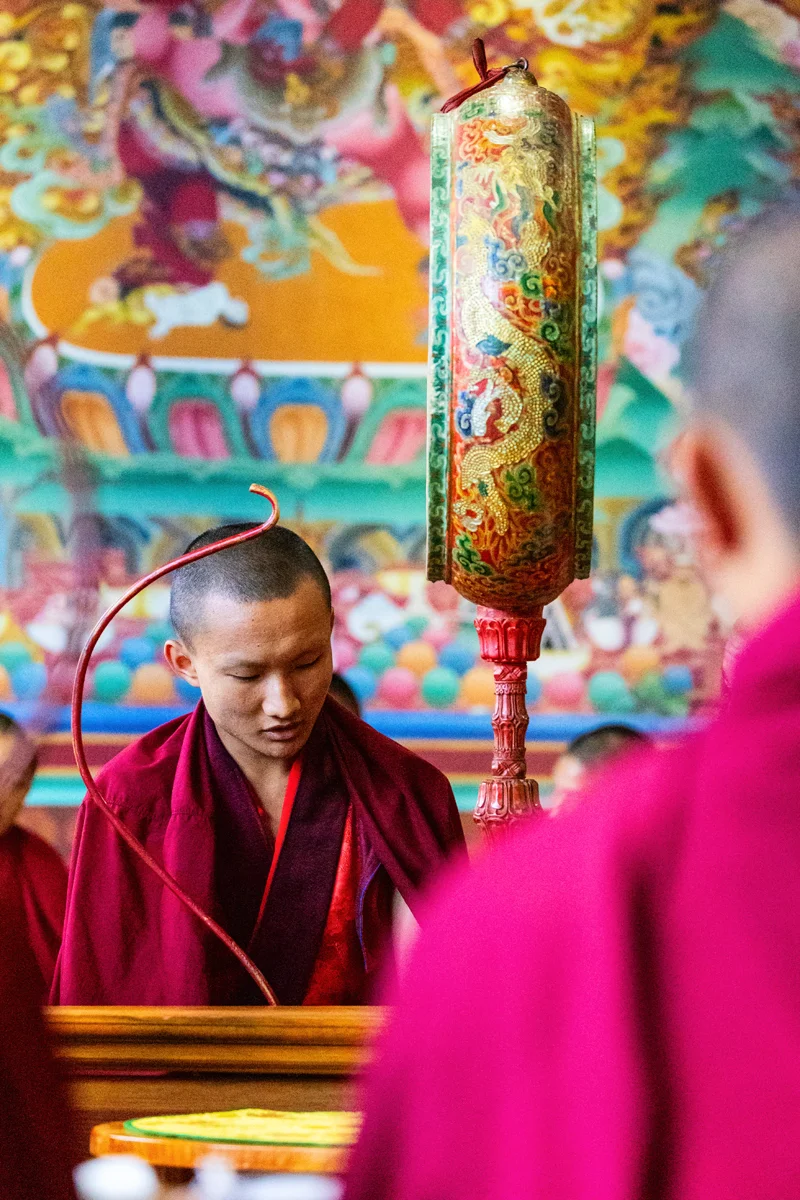
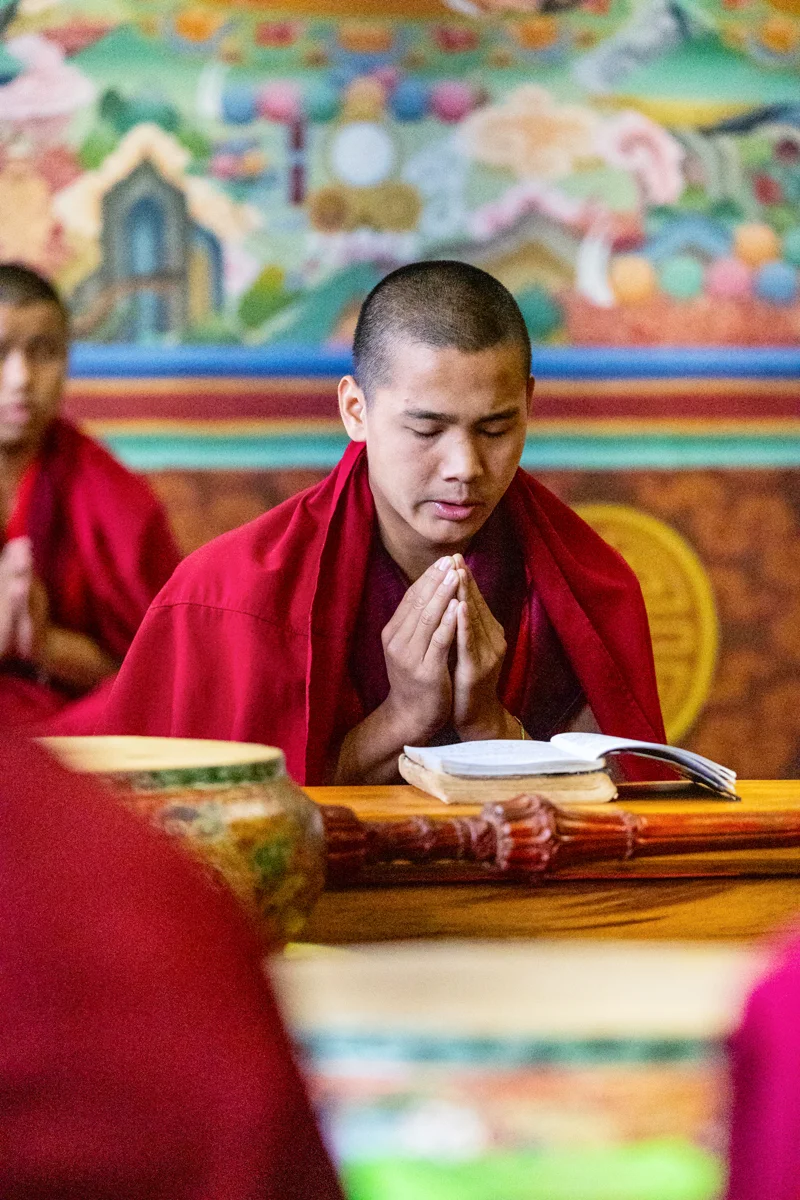
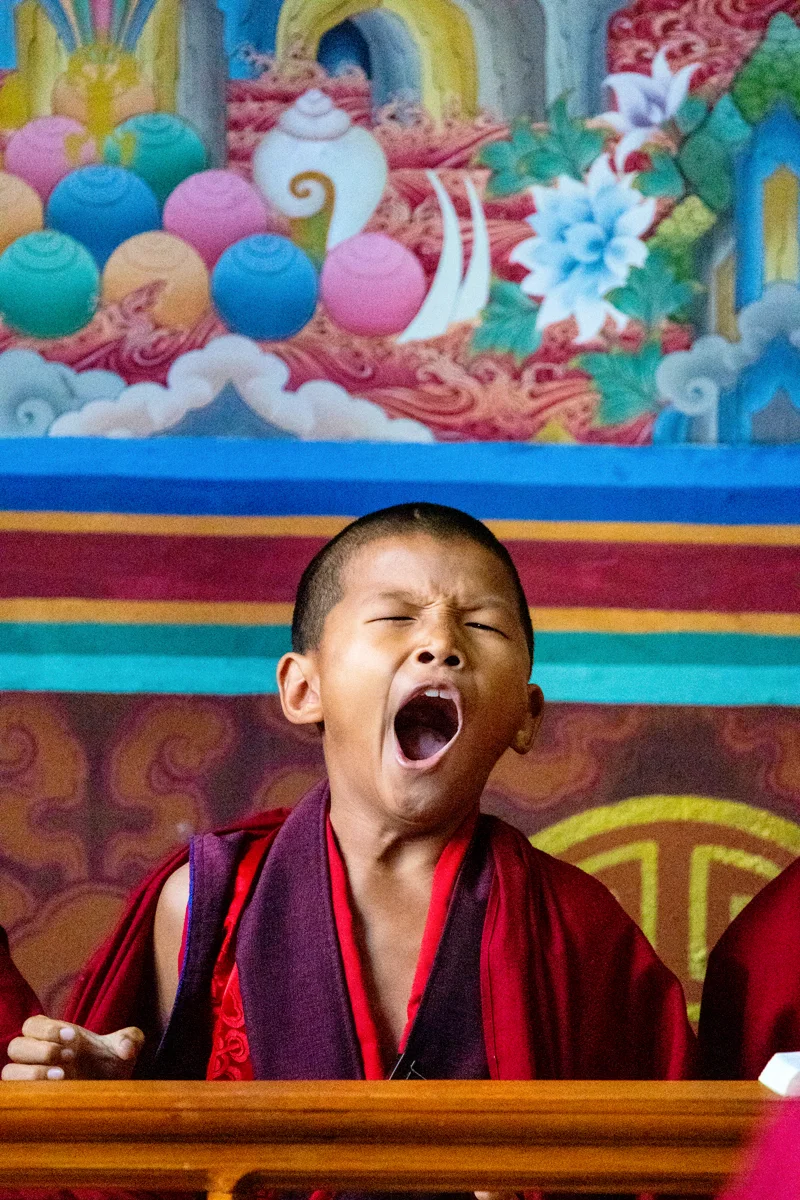
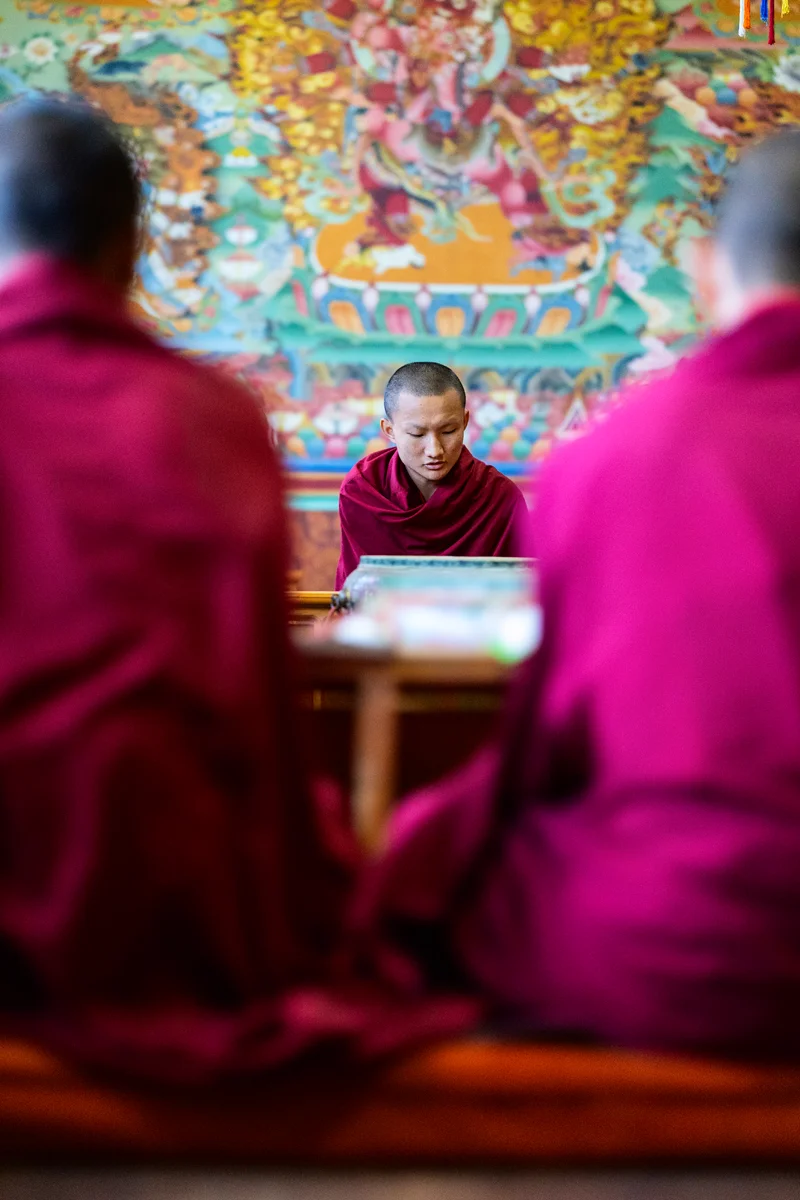
From there, proceed to Sangchhen Nunnery, with a possible stop at the historic Rinchengang Village – one of Bhutan’s oldest settlements. Sangchhen Nunnery 📍 is home to approximately 120 resident nuns and offers stunning views over the valley. You can interact with the nuns or participate in a bracelet weaving workshop – it only takes a few minutes to make one.
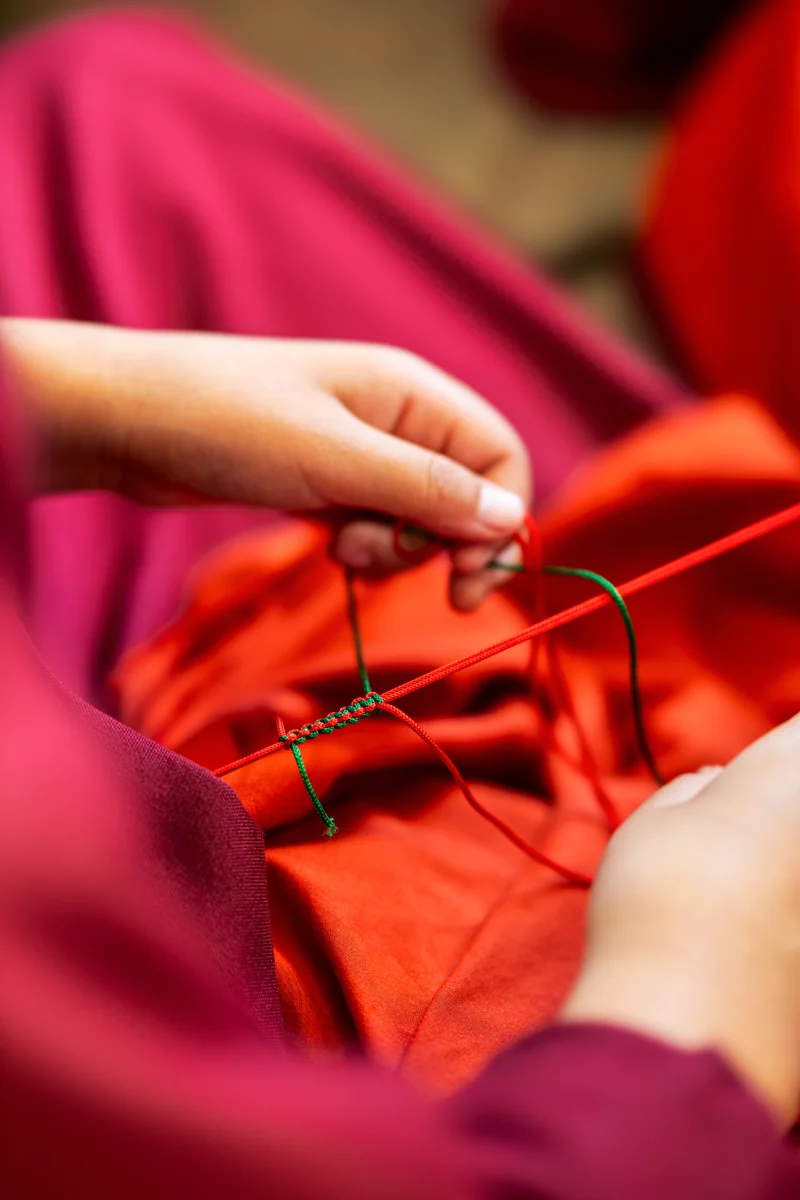


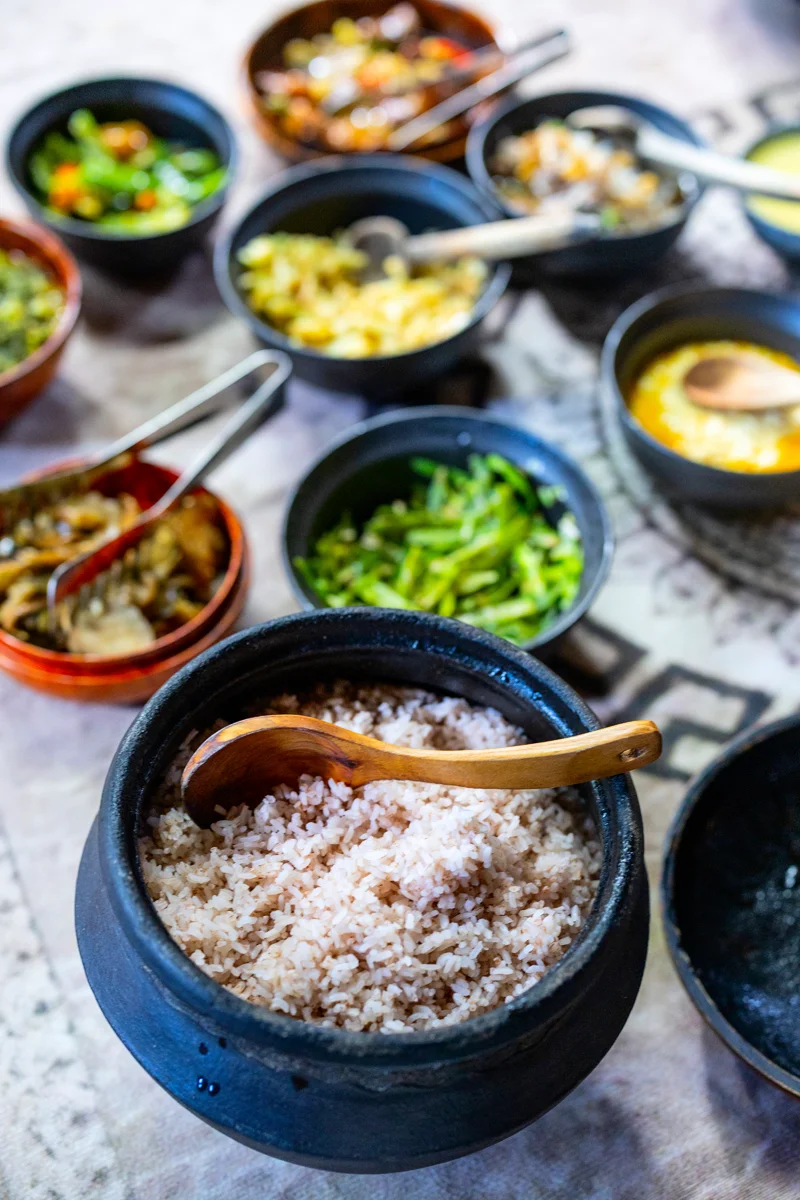
Next, visit Ama Om’s Farmhouse for an insight into Bhutan’s rural life. Try your hand at milking a cow, learn how to prepare traditional Bhutanese dishes, and enjoy a home-cooked lunch.

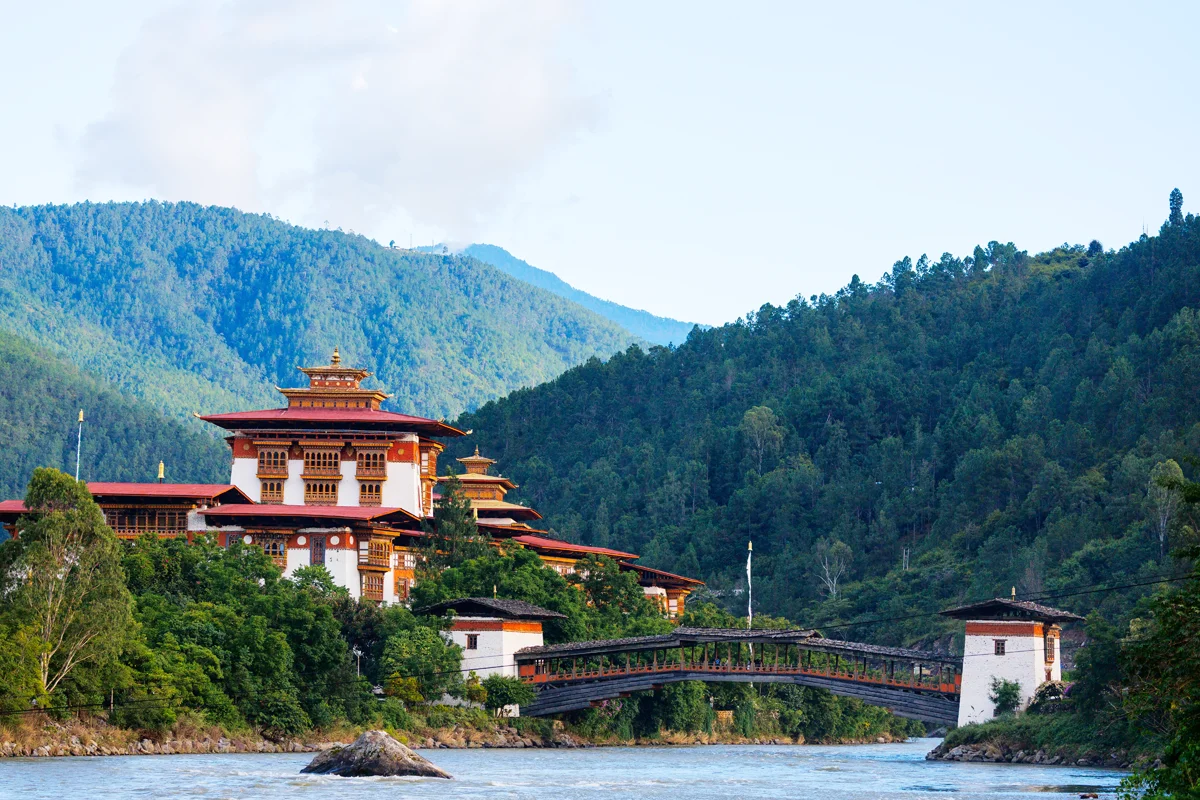
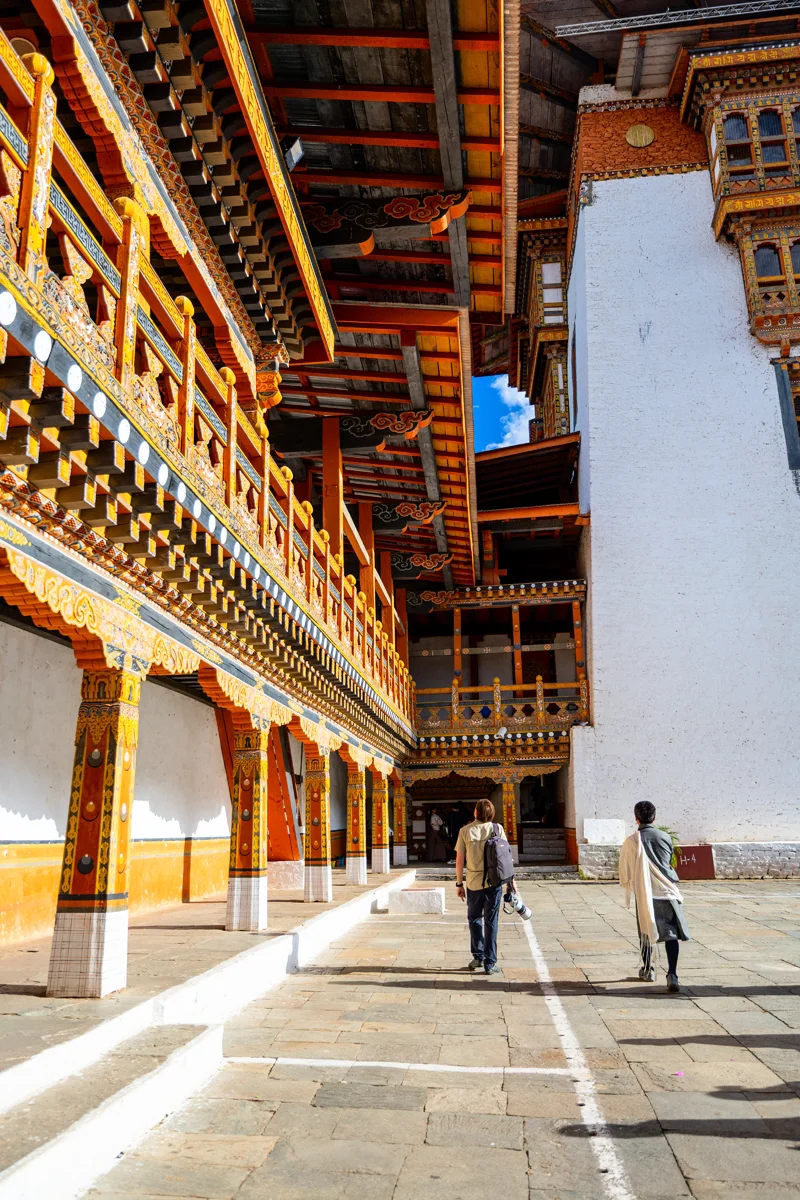
In the afternoon, visit Punakha Dzong 📍 – one of the most impressive and photogenic sites in Bhutan. It’s the second-oldest and second-largest dzong in the country, situated at the confluence of the Pho Chhu (Father River) and Mo Chhu (Mother River).
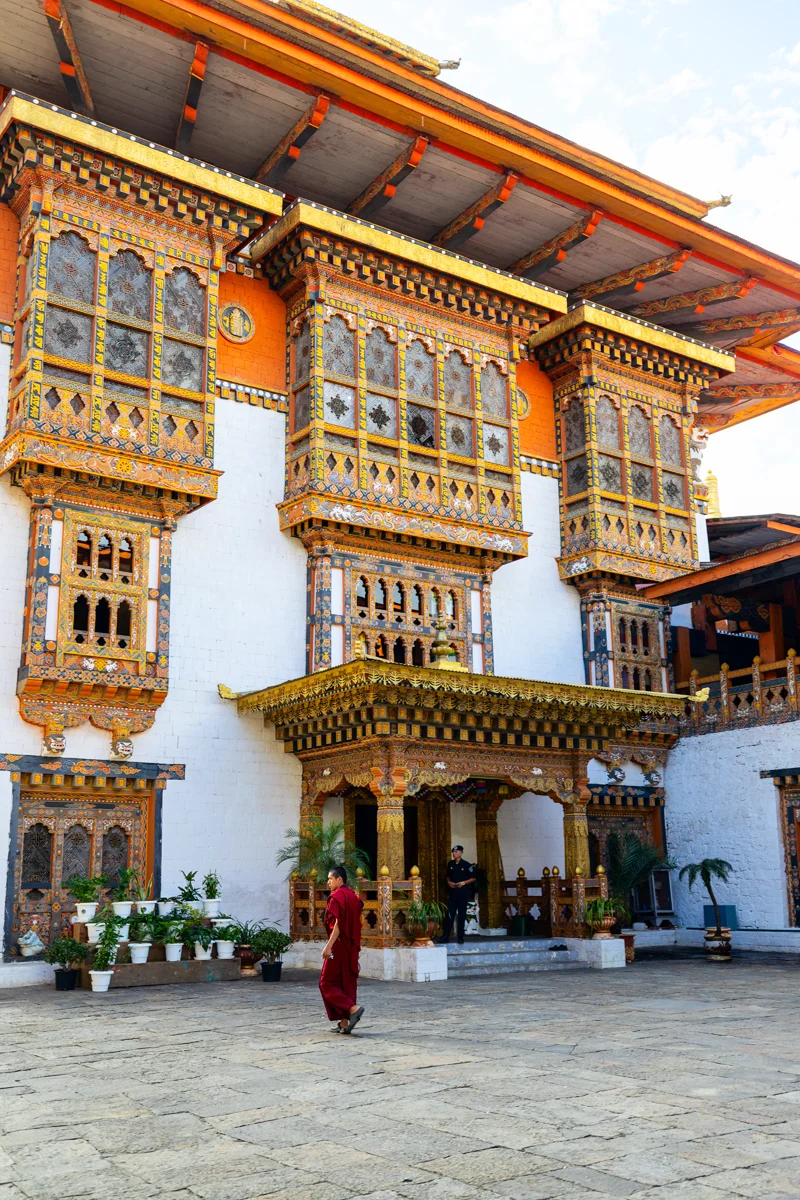
With its towering whitewashed walls, intricate woodwork, and beautiful murals, it’s hard not to be impressed by the sheer scale and craftsmanship.
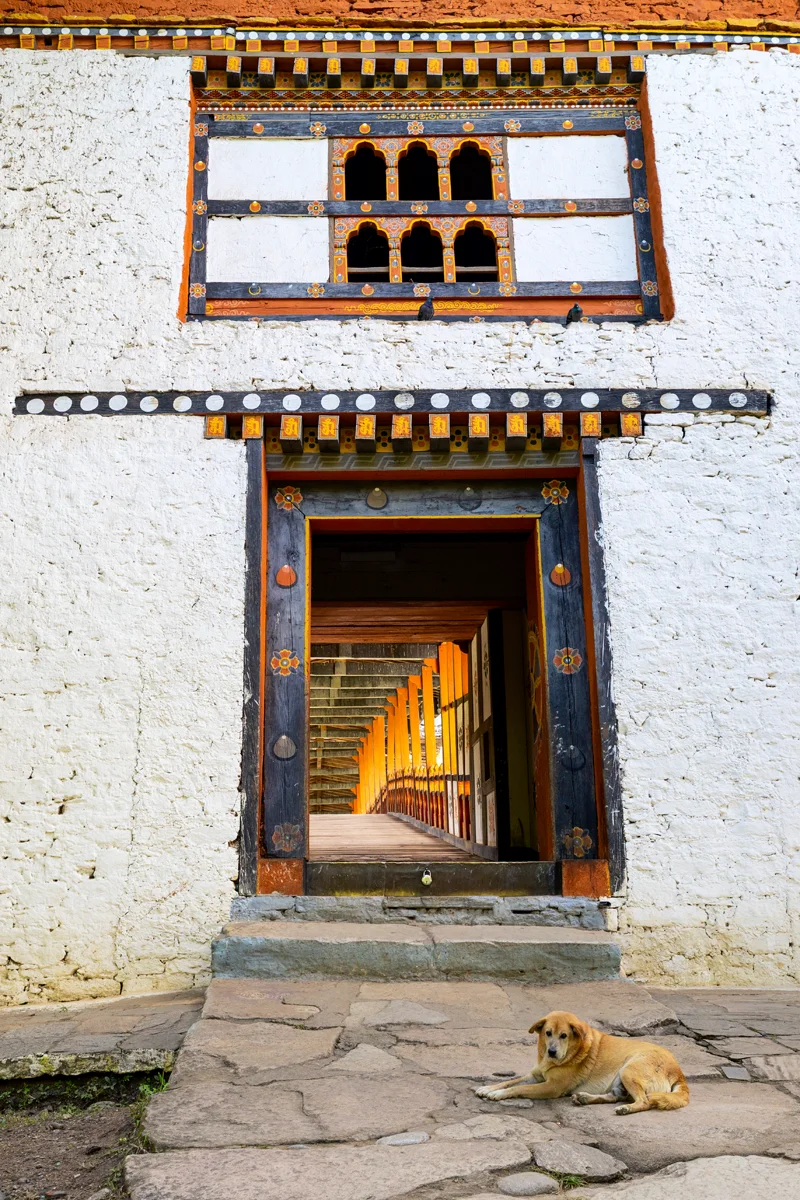
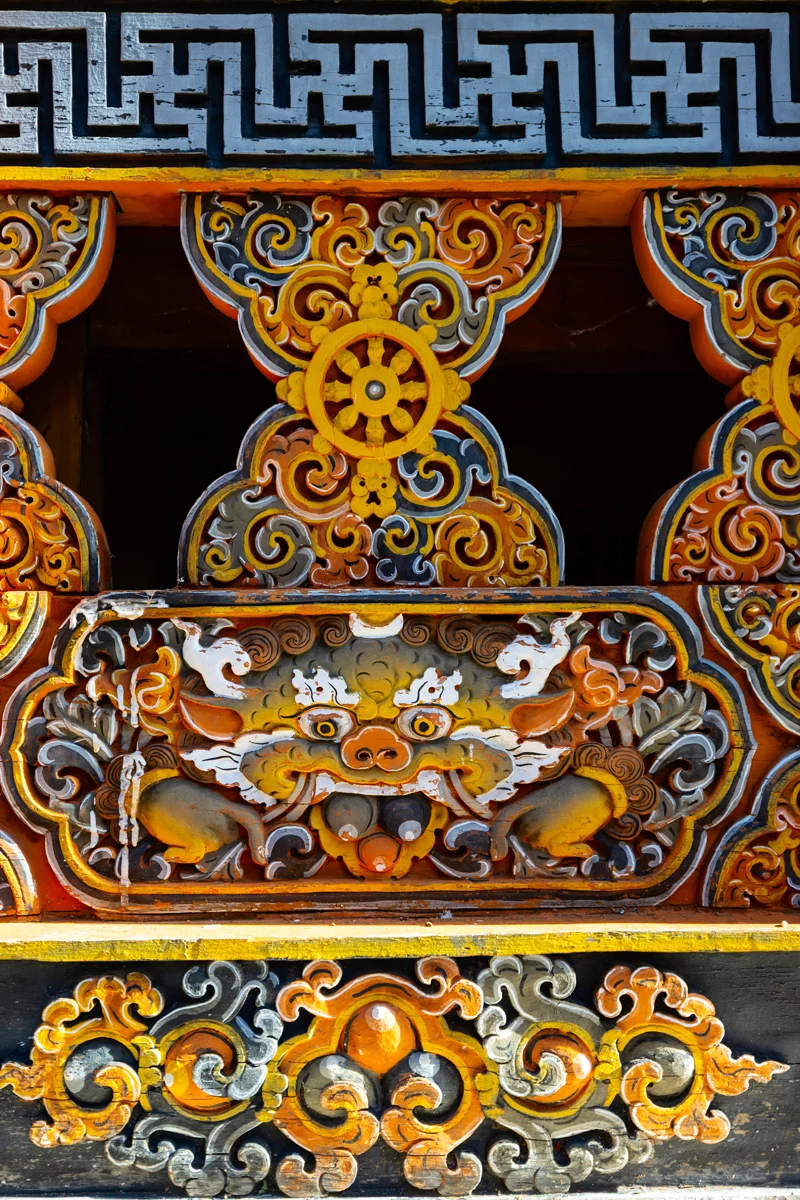
Nearby, walk across Punakha Suspension Bridge 📍, one of the longest suspension bridges in Bhutan. For a roughly 160-meter-long suspension bridge, it’s surprisingly stable. That ends the fifth day of your Bhutan itinerary.


Day 6: Punakha & Drive To Paro
Start your morning as early as you feel comfortable with a hike to Khamsum Yulley Namgyal Chorten 📍. The scenic trail winds through rice paddies and takes about 35 minutes. Built by the Queen Mother in 2004, the temple is dedicated to peace and protection from negative forces. Located on a ridge overlooking the Punakha Valley, the views from here are absolutely stunning.
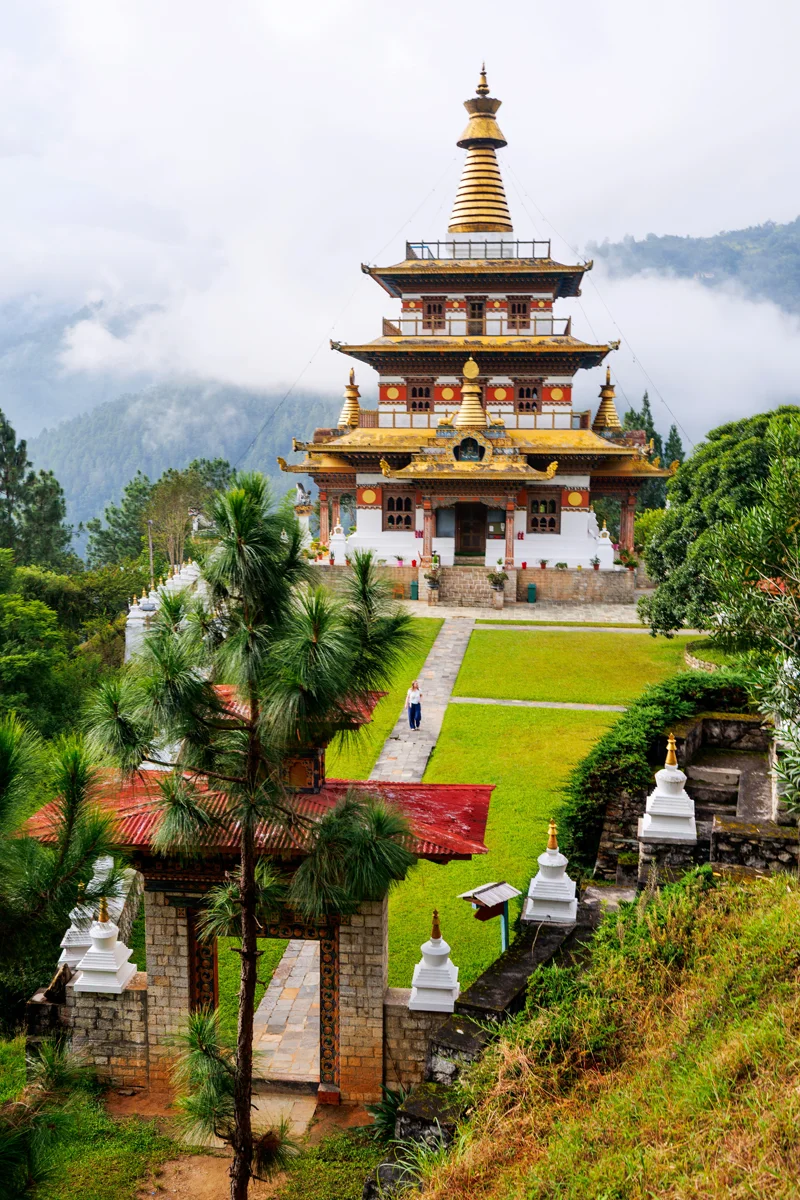


Later in the day, begin your five-hour drive back to Paro. Along the way, stop at Chimi Lhakhang 📍, a 15th-century temple dedicated to fertility. Many childless couples visit it to receive a special blessing from the resident monk. Stroll around the nearby village with its beautiful traditional Bhutanese houses adorned with colorful paintings and decorations – most of them phallus symbols, believed to ward off evil spirits and bring good luck.
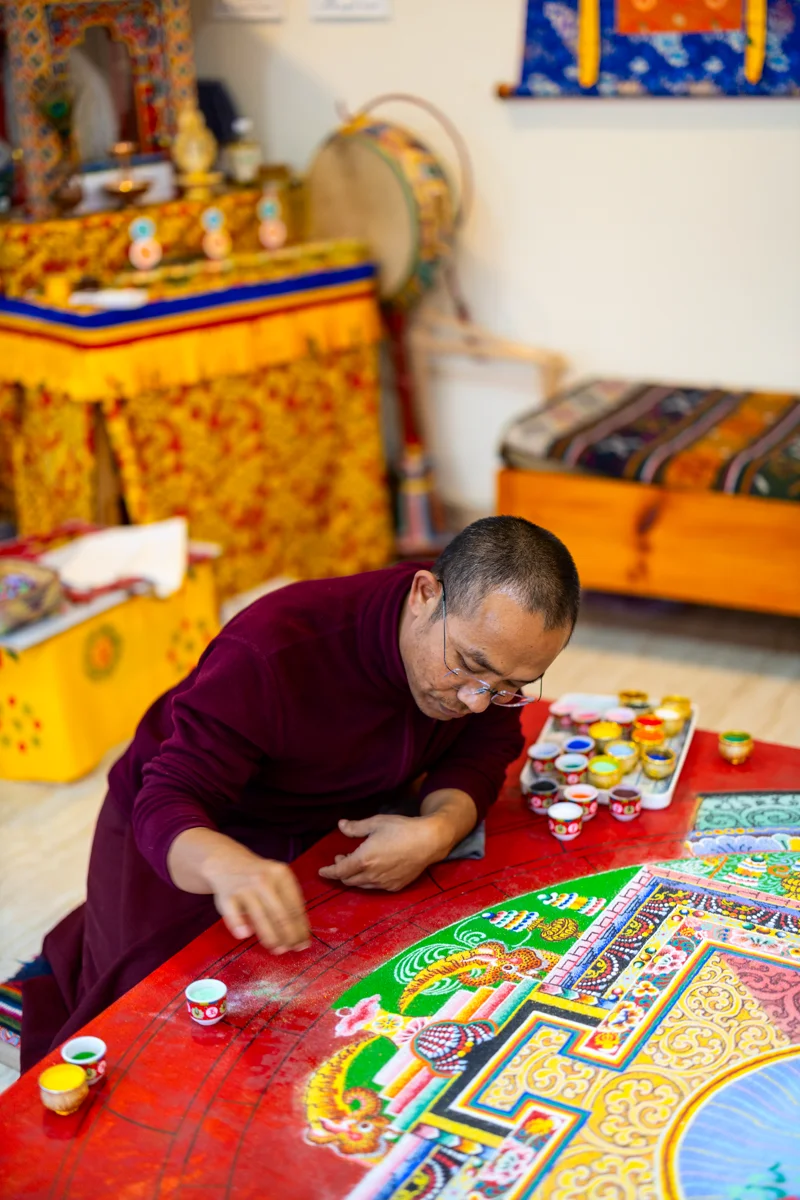
When you reach Paro, take part in a traditional sand mandala workshop led by a monk. It’s a meditative and calming experience as you carefully create patterns, grain by grain. The eventual dismantling of the mandala is equally meaningful – a reminder of impermanence and the beauty of letting go, rooted deeply in Buddhist philosophy. A fitting end to the sixth day of your Bhutan itinerary.


Day 7: Tiger’s Nest
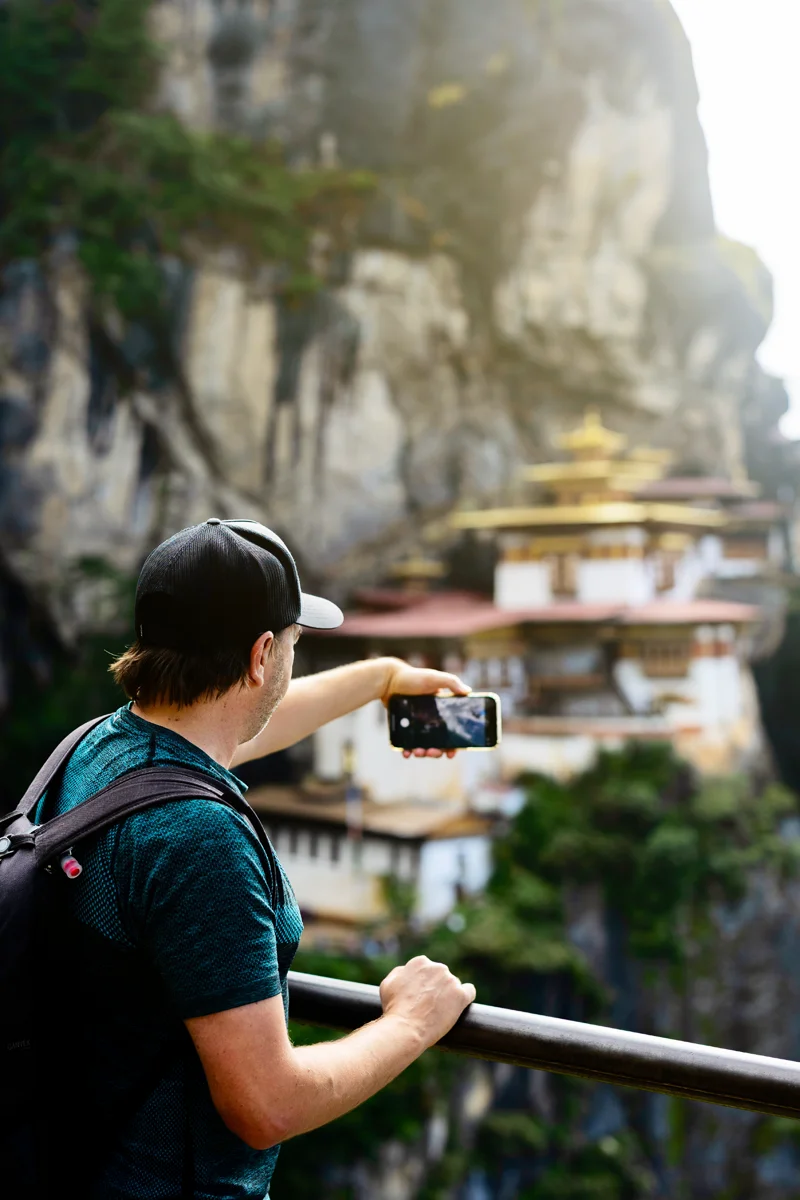
On the last full day of your Bhutan itinerary, you’ll hike to the Tiger’s Nest 📍, also known as Paro Taktsang – one of the most iconic landmarks in the country. Perched dramatically on a cliff in the Paro Valley at approximately 3,120 meters, it’s a sight you won’t forget. The monastery was built in 1692 around a cave where, according to local legend, Guru Rinpoche meditated for several years to subdue local demons. He is said to have flown to the site on a tigress, which is how Tiger’s Nest got its name.
We recommend starting the hike as early as you can, ideally just before sunrise.
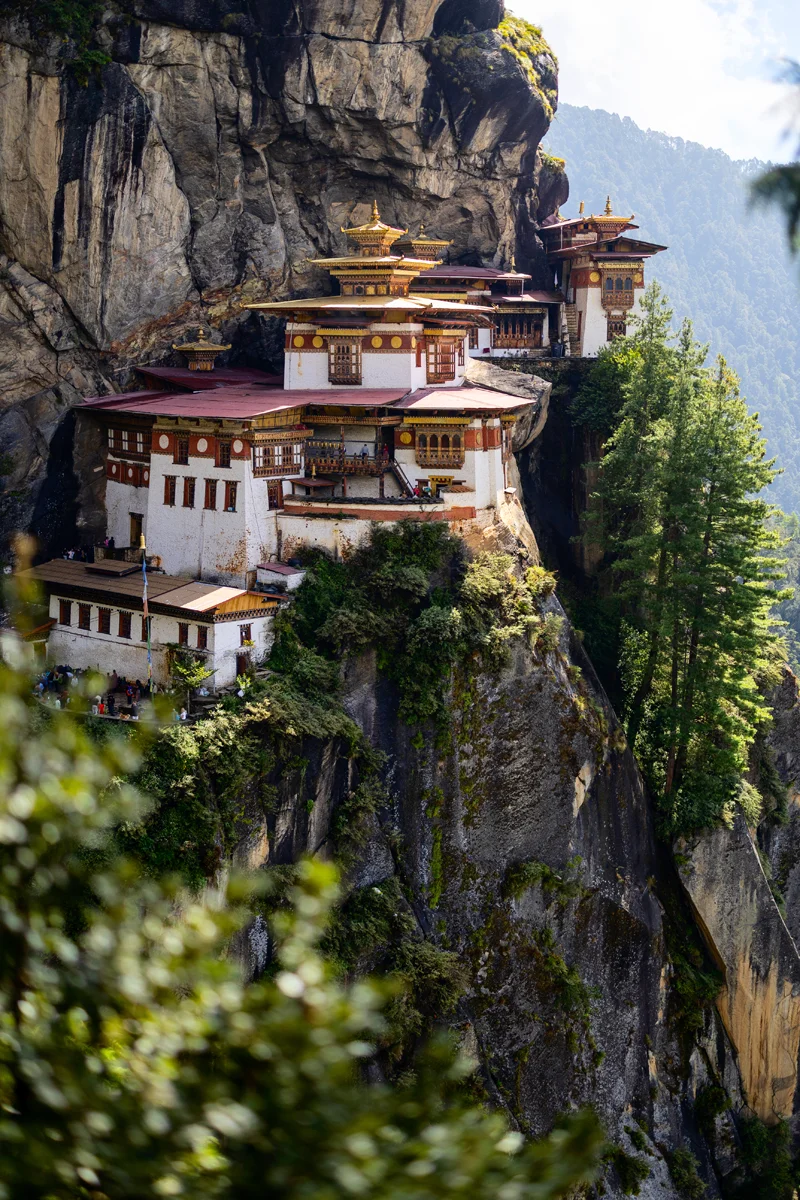
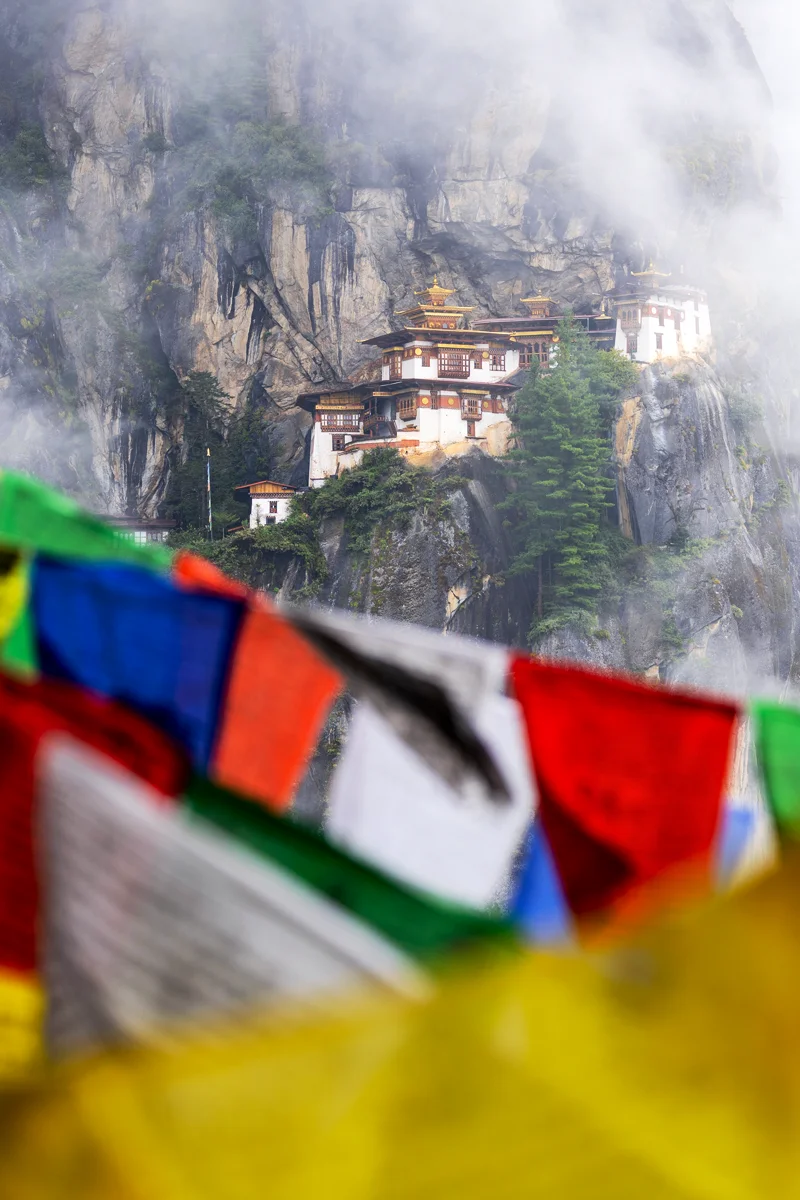
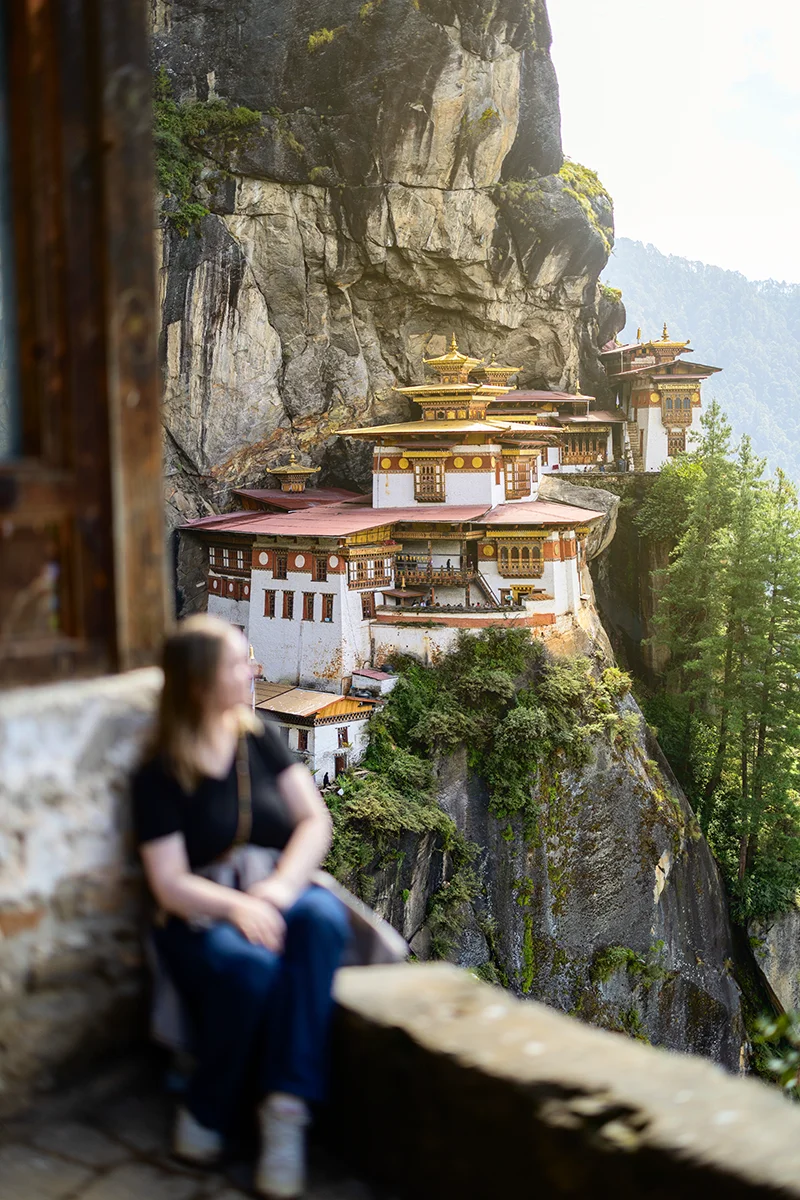
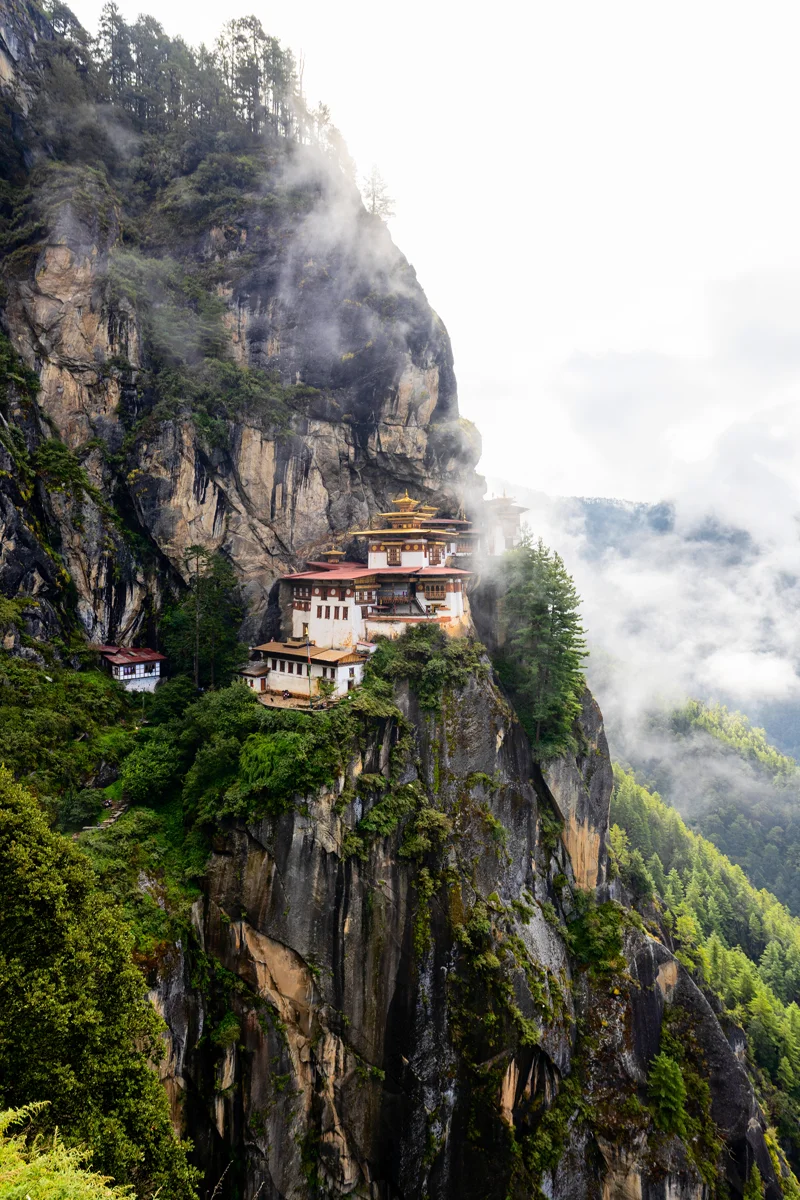
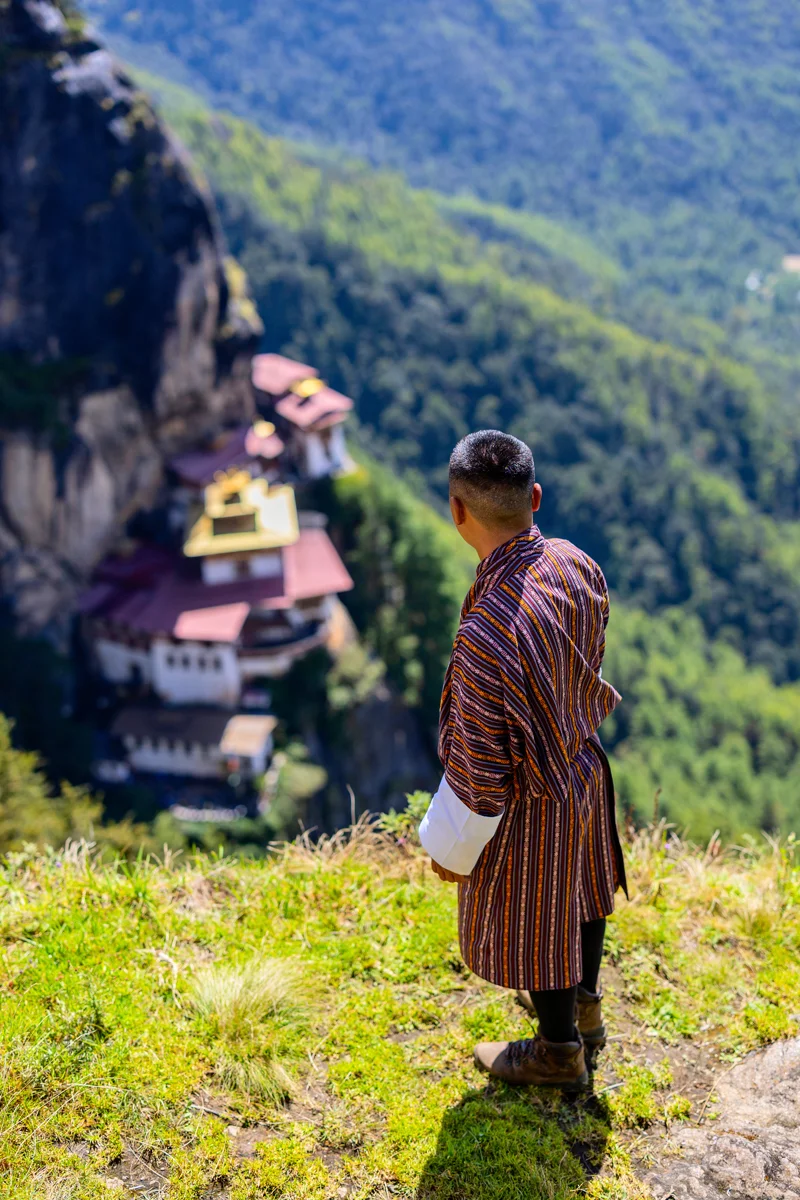
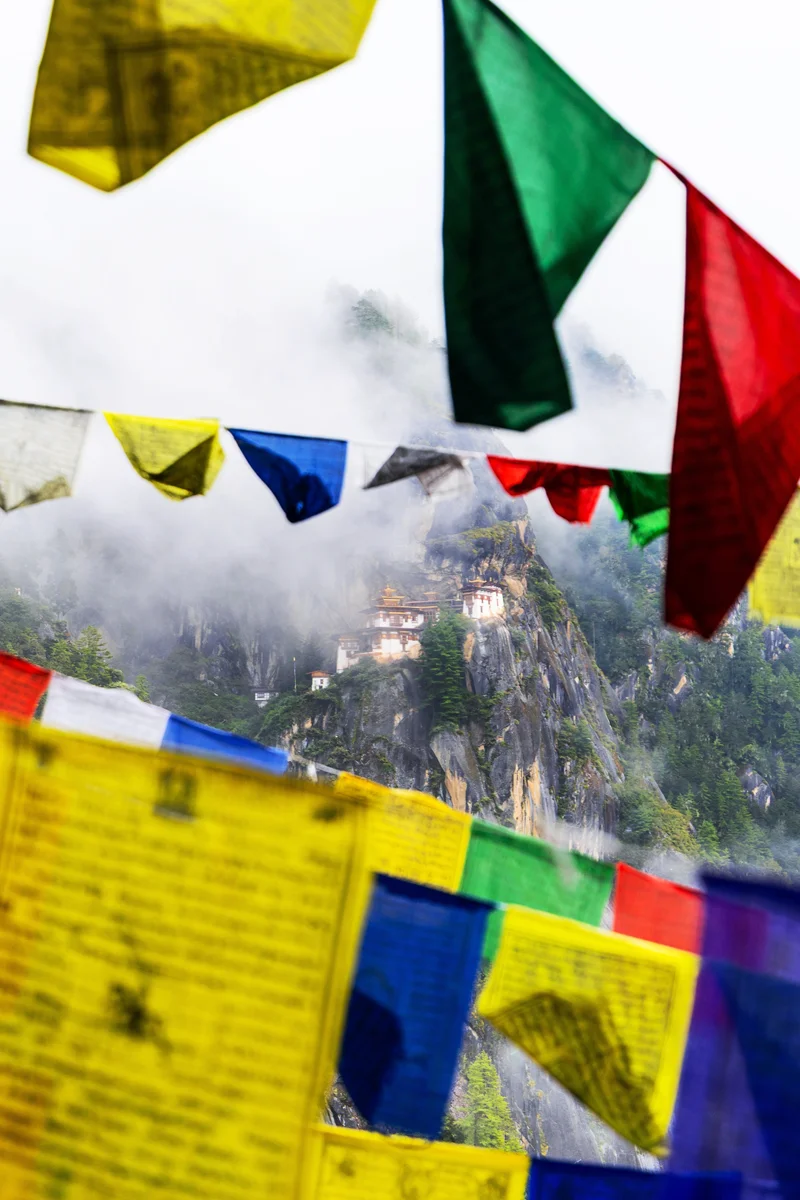
For a peaceful atmosphere and a unique view of Tiger’s Nest, consider a side trip to Zangdok Pelri Temple 📍. The path begins at a small hut on the main trail and winds uphill via switchbacks – it’s steep and can be slippery after rain. The round-trip adds about an hour to your hike, but rewards you with valley views and a completely different perspective of Tiger’s Nest from above. When we visited, we had the place to ourselves, aside from a young resident monk.
It took us a total of seven hours for Tiger’s Nest and the side hike to Zangdok Pelri Temple, including about an hour exploring inside the monastery and many stops for photos.
After the hike, treat yourself to a traditional hot stone bath. River stones are heated and placed in a wooden tub filled with water and medicinal herbs – the perfect way to soothe tired muscles after a long day on the trails.
And with that, your Bhutan festival itinerary comes to an end. Your flight leaves the next morning.
Bhutan Travel Tips & FAQs